Congress Welcomes US Supreme Court Decision Invalidating Trump's Global Tariffs
The Indian National Congress on Friday expressed strong approval of the United States Supreme Court's landmark ruling that struck down President Donald Trump's sweeping global tariffs. The party emphasized that this judicial intervention demonstrates the enduring strength of America's system of checks and balances.
Decisive 6-3 Verdict Against Presidential Tariff Authority
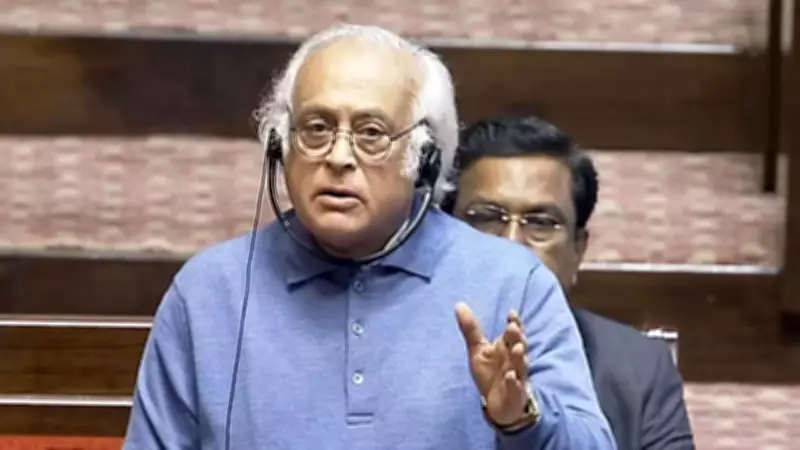
Hours after the Supreme Court delivered its 6-3 decision invalidating tariffs imposed by the Trump administration, Congress general secretary Jairam Ramesh issued a statement praising the judicial body. "Hats off to the US Supreme Court for striking down President Trump's entire tariff strategy! Quite an amazing decision given its ideological composition. A 6-3 verdict is decisive," Ramesh declared.
He further added, "The American system of checks and balances still seems to be working." The ruling specifically addressed tariffs imposed under emergency powers legislation, including the comprehensive reciprocal tariffs that Trump had levied on nearly every other nation.

Constitutional Authority and Presidential Response
The majority opinion found that the US Constitution explicitly grants Congress, not the President, the authority to impose taxes, which includes tariffs. Despite this clear judicial rebuke, President Trump responded defiantly, asserting that "nothing changes" regarding the trade deal with India following the Supreme Court verdict.
In a remarkable escalation, Trump announced additional 10 percent global levies on items imported into the United States. The former president launched a scathing attack against the justices who ruled against him, labeling them "fools and lapdogs" during a White House news conference.
"The Supreme Court's ruling on tariffs is deeply disappointing, and I'm ashamed of certain members of the Court, absolutely ashamed for not having the courage to do what's right for our country," Trump stated just hours after the verdict was announced.
Congress Questions Impact on India-US Trade Agreement
Veteran Congress leader and former finance minister P. Chidambaram raised serious concerns about how this judicial decision might affect the trade agreement announced between the United States and India on February 6. Chidambaram demanded that the Indian government provide a comprehensive explanation of the judgment's potential impact on what he termed the "deal" between the two nations.
"I had stated that if the Supreme Court struck down President Trump's imposition of tariffs, the result would be that the US and India would revert to the status quo ante of before April 2, 2025," Chidambaram explained, referencing his previous warnings about the tariff strategy's legal vulnerability.
Concerns Over Concessions Made by India
The former finance minister highlighted several significant concessions that India had reportedly made during negotiations with the United States. "Meanwhile, the US has extracted several concessions from India without conceding any. What will happen to those concessions?" Chidambaram questioned.
He detailed specific elements of the agreement that now face uncertainty: "The joint statement announced zero tariff on many goods that the US will export to India; that India intends to import USD 500 billion worth of goods from the U.S.; that India will not buy Russian oil; that India will address the non-tariff barriers to U.S. goods, and so on."
Chidambaram pressed further: "What will happen to those promises? An Indian team is now in the U.S. to finalise the text of the Framework Agreement. What will the team do now?" His questions underscore the potential diplomatic and economic ramifications of the Supreme Court's decision for bilateral relations between Washington and New Delhi.
Broader Implications for Global Trade Relations
The Supreme Court's ruling represents a significant setback for President Trump's economic agenda, which had placed substantial emphasis on tariff-based trade policies. The decision not only invalidates existing tariffs but also establishes important constitutional limitations on presidential authority in trade matters.

For India, the ruling creates substantial uncertainty about the future of trade negotiations with the United States, particularly regarding concessions that were reportedly made in anticipation of tariff reductions that have now been judicially overturned. The development highlights the complex interplay between domestic legal systems and international trade agreements in an increasingly interconnected global economy.