China's Comprehensive Peace Initiative for the Middle East
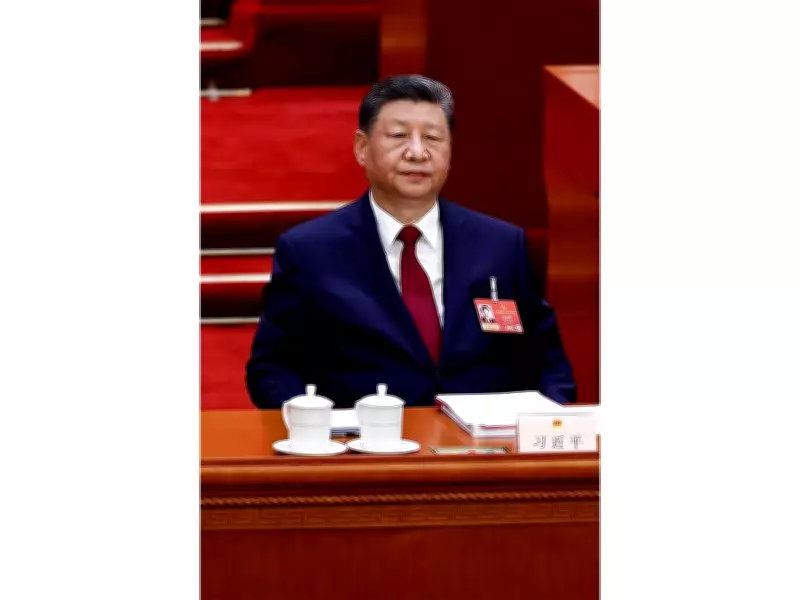
In a significant diplomatic move, China has officially disclosed the specifics of a four-point peace proposal for the Middle East, as articulated by President Xi Jinping. This initiative underscores China's growing role in global affairs and its commitment to fostering stability in a region long plagued by conflicts and tensions.
Details of the Four-Point Plan
The plan, revealed through official channels, outlines a structured approach to peacebuilding. The first point emphasizes the necessity of political dialogue, urging all parties to engage in constructive talks to resolve disputes peacefully. This aligns with China's longstanding advocacy for non-interference and respect for sovereignty.
The second point focuses on promoting economic development and cooperation. China proposes enhancing trade, investment, and infrastructure projects in the Middle East to address root causes of instability, such as poverty and unemployment. This economic dimension is seen as crucial for sustainable peace.

The third point calls for strengthening regional security mechanisms. China advocates for collaborative efforts to combat terrorism, extremism, and other security threats, while respecting the legitimate security concerns of all nations involved.
The fourth point highlights the importance of cultural and people-to-people exchanges. By fostering mutual understanding and tolerance through educational and cultural programs, China aims to build a foundation for long-term harmony in the region.
Implications and Global Context
This peace plan comes at a time of heightened geopolitical tensions in the Middle East, with ongoing conflicts in areas like Gaza and Syria. China's proactive stance signals its ambition to play a more influential role in international diplomacy, potentially positioning itself as a mediator in complex regional issues.
Experts note that China's approach contrasts with that of other global powers, often emphasizing economic incentives over military interventions. The plan reflects China's broader foreign policy principles, including the Belt and Road Initiative, which seeks to enhance connectivity and development across Asia and beyond.
While the proposal has been welcomed by some regional actors as a fresh perspective, challenges remain in its implementation, given the deep-seated rivalries and historical grievances in the Middle East. Observers will be watching closely to see how China engages with key stakeholders, including Israel, Palestine, Iran, and Arab states, to advance this peace agenda.
In summary, President Xi Jinping's four-point peace plan represents a strategic effort by China to contribute to Middle East stability through dialogue, development, and cooperation, marking a notable step in its evolving global diplomacy.