

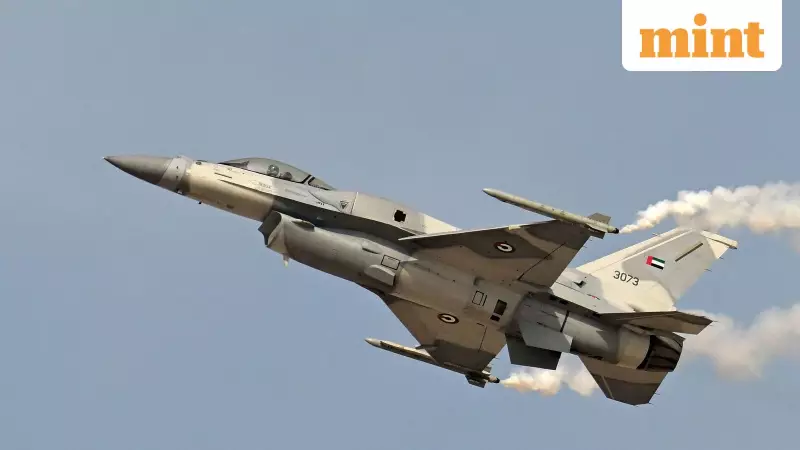
A startling US intelligence report has exposed China's sophisticated disinformation campaign aimed at undermining French Rafale fighter jet sales while promoting its own J-35 stealth aircraft across global markets. The revelations come amid heightened regional tensions following the deadly Pahalgam terror attack in Jammu and Kashmir.
The Covert Operation Unmasked
According to the comprehensive US assessment, China initiated a systematic campaign to damage the reputation of French Rafale jets shortly after the May 2025 India-Pakistan conflict. This conflict was triggered by the April 22 Pahalgam terror attack that claimed 26 innocent civilian lives in Jammu and Kashmir.
The report confirms earlier allegations by French intelligence officials who had suspected Chinese involvement in a covert operation against their defense exports. Chinese operatives employed fake social media accounts to spread AI-generated images showing supposed "debris" from Rafale jets allegedly destroyed by Chinese weaponry.

This wasn't China's first venture into digital deception. The report highlights that in 2024, pro-China online actors utilized AI-generated news anchors and fabricated social media profiles with computer-generated pictures to create divisions in the United States on sensitive issues including drug policy, immigration, and abortion rights.
Diplomatic Pressure and Regional Maneuvers
China's campaign extended beyond digital warfare into direct diplomatic intervention. Chinese Embassy officials successfully convinced Indonesia to abandon a planned purchase of Rafale jets that was already in advanced stages, significantly expanding Beijing's influence over military procurement decisions in the region.
The timing of these revelations coincides with China's aggressive marketing of its own military hardware. In June 2025, China offered Pakistan a comprehensive defense package including 40 J-35 fifth-generation fighter jets, KJ-500 aircraft, and advanced ballistic missile defense systems. The J-35A fifth-generation stealth fighter had been publicly unveiled in November 2024, marking China's entry into the elite stealth aircraft market.
This substantial arms proposal to Pakistan came shortly after Islamabad announced a 20 percent increase in its 2025-2026 defense budget, raising planned military expenditures to $9 billion despite implementing cuts in other government spending areas.
Regional Context and Strategic Implications
The exposed disinformation campaign unfolded against the backdrop of significant military action. India launched Operation Sindoor on May 7, 2025, targeting terror infrastructure within Pakistan and Pakistan-occupied Kashmir. This decisive military response came as direct retaliation for the Pahalgam attack that killed 26 civilians.
Meanwhile, China has been systematically deepening its engagement with Central Asian nations, leveraging economic integration, infrastructure development, and security cooperation. With Russia preoccupied by its conflict in Ukraine, Beijing has accelerated its regional influence campaign.
China's trade with five Central Asian countries surged by 10.4 percent year-over-year during the first five months of 2025. The "Middle Corridor" trade route through Central Asia has become a strategic priority for China, as traditional routes through Russia and maritime passages via the Suez Canal present increasing security challenges.
During the June 2025 China-Central Asia Summit, Beijing launched new infrastructure initiatives while reinforcing existing agreements, demonstrating its commitment to expanding market access and regional influence through both economic and security partnerships.






