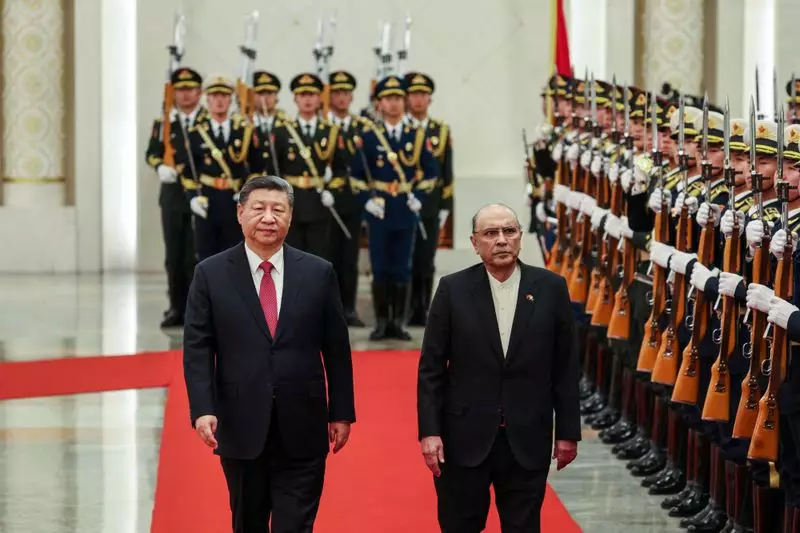
In a significant diplomatic move, China and Pakistan have presented a united front at the United Nations, voicing strong opposition to any unilateral actions within the South Asian region. The joint stance was articulated during a high-level meeting of the UN Security Council, focusing on the critical theme of promoting sustainable peace through dialogue and cooperation.
A Unified Call for Multilateralism
The Chinese representative to the UN, Zhang Jun, took a firm position during the council's discussions. He explicitly cautioned against what he termed "unilateral actions" that could potentially destabilize the region. While Mr. Zhang did not name any specific country, the context of the meeting and the participation of Pakistan's ambassador made the underlying message clear to observers. He stressed that the complex issues facing South Asia require solutions built on dialogue and diplomacy, not unilateral force or coercion.
Echoing and reinforcing this sentiment, Pakistan's Permanent Representative to the UN, Munir Akram, stood alongside China in his remarks. Ambassador Akram emphasized that peace and stability in South Asia are paramount and can only be achieved through peaceful negotiations and by addressing the root causes of conflicts. He argued against the imposition of solutions by external powers, advocating instead for a process led by the nations directly involved.

The Context of Regional Tensions
This coordinated diplomatic effort comes against a backdrop of longstanding tensions in the region, particularly between India and Pakistan. The core dispute over Jammu and Kashmir remains a persistent flashpoint. China, which shares a border with the region and is a close ally of Pakistan, has historically supported Islamabad's position, calling for the issue to be resolved based on UN Security Council resolutions and through bilateral talks.
The joint opposition to unilateralism is seen as a direct critique of policies pursued by the Indian government, especially since the historic decision in August 2019 to revoke the special constitutional status of Jammu and Kashmir. India has consistently maintained that the changes are an internal matter and a step towards full integration and development. However, Pakistan and China have repeatedly challenged this view on international platforms like the UN.
Implications for Regional Diplomacy
The public alignment of China and Pakistan at the Security Council underscores the deepening strategic partnership between the two nations. It signals their intent to keep regional issues, especially those concerning Kashmir, on the international agenda. For India, this represents a continued diplomatic challenge, requiring nuanced engagement to assert its sovereign perspective while navigating the dynamics of the UN.
Analysts suggest that such statements reinforce the existing geopolitical blocs in the region. The call for multilateral dialogue, while principled, does little to bridge the current trust deficit between the neighboring states. The development highlights the critical and often contentious role of the UN Security Council in mediating disputes where permanent members have strong, opposing alliances.
Ultimately, the event at the UN showcases the ongoing diplomatic struggle over South Asia's future. With powerful nations taking sides, the path to sustainable peace remains fraught, hinging on whether the involved parties can move beyond entrenched positions to find common ground through direct and sincere dialogue.