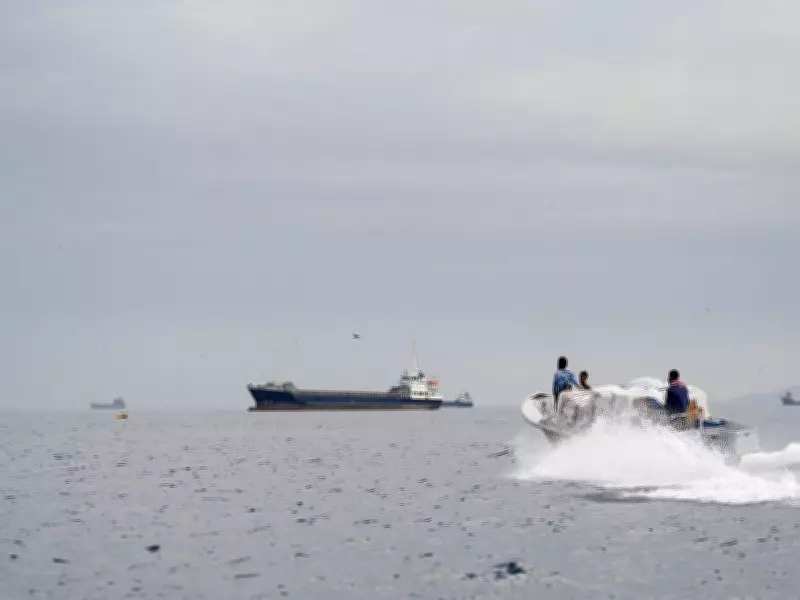
China Advocates for Unimpeded Passage in Hormuz Strait Following Trump's Iran Threat
In a significant diplomatic move, China has publicly called for ensuring unimpeded passage through the Strait of Hormuz, a vital maritime corridor for global oil shipments. This statement comes in direct response to recent threats made by former US President Donald Trump against Iran, which have raised concerns over potential disruptions to international trade and energy flows.
Context of the Statement
The Strait of Hormuz is a narrow waterway located between the Persian Gulf and the Gulf of Oman, serving as a critical chokepoint for approximately one-fifth of the world's oil supply. Any instability in this region can have far-reaching impacts on global energy markets and economic stability. China's call underscores its growing role as a key player in Middle Eastern affairs and its reliance on secure energy imports to fuel its economy.
Trump's Threat and Regional Tensions
Former President Donald Trump recently issued a threat against Iran, warning of severe consequences if Tehran takes aggressive actions. This has heightened tensions in the region, with fears that any escalation could lead to maritime blockades or conflicts that might obstruct the Strait of Hormuz. China's response emphasizes the need for diplomatic solutions and stability to prevent such scenarios.

China's Strategic Interests
As the world's largest importer of crude oil, China has a vested interest in maintaining open and secure sea lanes. The country relies heavily on oil imports from the Middle East, making the Strait of Hormuz a strategic priority. By advocating for unimpeded passage, Beijing is not only protecting its energy security but also positioning itself as a stabilizing force in international diplomacy.
Implications for Global Trade
The potential closure or disruption of the Strait of Hormuz could lead to:
- Spikes in global oil prices, affecting economies worldwide.
- Supply chain interruptions for energy-dependent industries.
- Increased geopolitical risks in an already volatile region.
China's statement serves as a reminder of the interconnectedness of global trade and the importance of collaborative efforts to ensure maritime security.
Looking Ahead
China's call for unimpeded passage in the Strait of Hormuz amid Trump's threat highlights the ongoing geopolitical complexities in the Middle East. It reflects Beijing's commitment to multilateral diplomacy and its efforts to safeguard global energy routes. As tensions persist, the international community will be closely monitoring developments to prevent any escalation that could threaten vital trade corridors.