

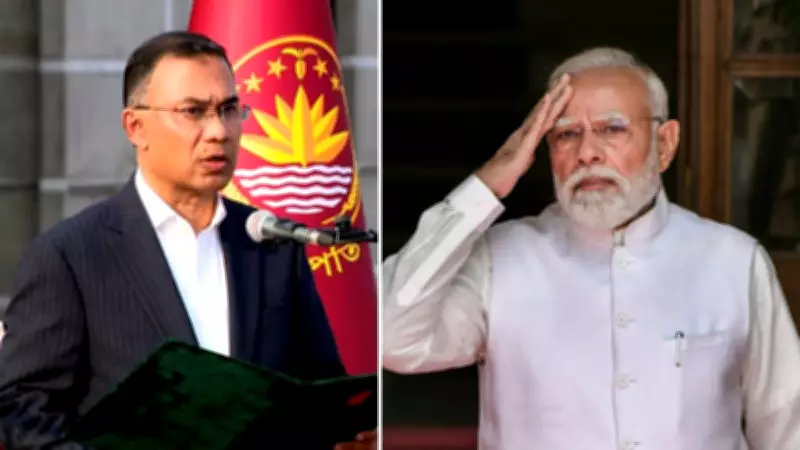
The Bharatiya Janata Party's (BJP) recent electoral victory in West Bengal is set to redefine the dynamics of India-Bangladesh relations, with key issues such as border fencing, the Teesta water treaty, and enhanced bilateral cooperation taking center stage. The win is expected to strengthen the Modi government's stance on border security and water-sharing agreements, which have long been contentious points between the two neighbors.
Border Fencing and Security
One of the immediate implications is the acceleration of border fencing along the India-Bangladesh boundary. The BJP has consistently advocated for a secure border to curb illegal immigration and cross-border crimes. With West Bengal now under its governance, the state government is likely to align more closely with the Centre's policies, expediting the construction of fences and surveillance infrastructure. This move is anticipated to reduce tensions over border management, as Bangladesh has often raised concerns about the fencing's impact on local communities.
Teesta Water Treaty
Another critical aspect is the long-pending Teesta water-sharing agreement. The treaty, which has been stalled due to West Bengal's opposition, is now expected to gain momentum. The BJP's control over the state could pave the way for a consensus, as the party has shown willingness to negotiate with Bangladesh. The resolution of this issue would not only benefit irrigation and livelihoods in both countries but also serve as a confidence-building measure for broader cooperation.

Strengthened Bilateral Ties
Beyond security and water, the BJP's win is likely to foster deeper economic and cultural ties. India and Bangladesh share historical and linguistic bonds, and the new political alignment could lead to increased trade, connectivity projects, and people-to-people exchanges. The Modi government has prioritized neighborhood-first policy, and a cooperative West Bengal government can act as a bridge for implementing joint initiatives.
However, challenges remain. Critics argue that the BJP's hardline approach on border issues might strain relations with Bangladesh, which values its sovereignty. Additionally, the Teesta deal requires delicate handling to address the concerns of both Indian states and Bangladesh. Nevertheless, the electoral outcome signals a shift towards more decisive and coordinated policymaking, potentially unlocking new avenues for partnership.
In conclusion, the BJP's win in West Bengal is a game-changer for India-Bangladesh ties. It offers an opportunity to resolve longstanding disputes and elevate the relationship to new heights, but it also demands careful diplomacy to balance national interests with regional sensitivities. The coming months will reveal how this political shift translates into tangible outcomes on the ground.






