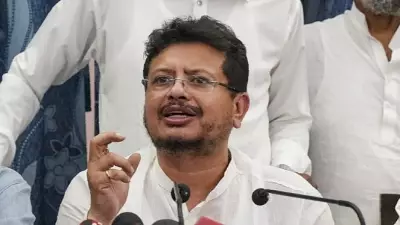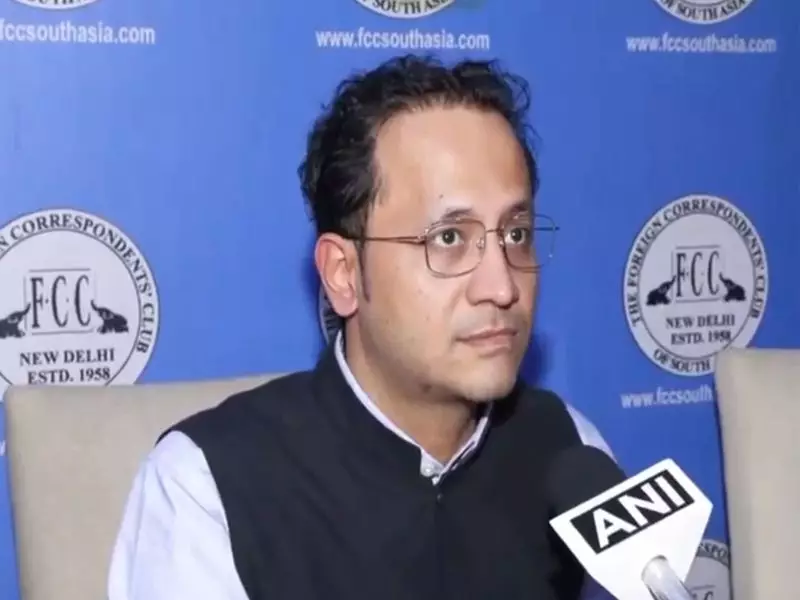
Awami League Leader Mohibul Hassan Chowdhury Warns One-Sided Elections Are Unsustainable for Bangladesh
In a significant statement that has stirred political discourse, Mohibul Hassan Chowdhury, a prominent figure within Bangladesh's ruling Awami League, has raised concerns about the sustainability of one-sided elections in the country. His remarks come at a time when Bangladesh is grappling with ongoing political tensions and debates over electoral integrity.
Context of the Warning
Bangladesh has a history of contentious elections, often marked by boycotts and allegations of unfair practices. Chowdhury's comments highlight a growing recognition within the Awami League that for democracy to thrive, elections must be inclusive and participatory. He emphasized that a political system reliant on one-sided polls risks long-term instability and could undermine public trust in governance.
This warning is particularly noteworthy as it comes from a member of the ruling party, suggesting internal discussions about the need for broader political engagement. Chowdhury pointed out that sustainable democracy requires the active involvement of all political factions, including opposition groups, to ensure legitimacy and foster national unity.

Implications for Bangladesh's Political Landscape
The statement by Mohibul Hassan Chowdhury could signal a shift in the Awami League's approach to elections. By acknowledging the unsustainability of one-sided polls, he may be advocating for reforms that encourage multi-party participation and reduce electoral conflicts. This aligns with global democratic norms, where competitive and fair elections are seen as essential for political stability.
Experts suggest that such internal critiques could pave the way for dialogue between the Awami League and opposition parties, potentially leading to more transparent electoral processes. However, challenges remain, as deep-seated political rivalries and historical grievances continue to pose obstacles to consensus-building.
Broader Regional and Global Perspectives
Bangladesh's electoral dynamics are closely watched in South Asia and beyond, given the region's struggles with democratic consolidation. Chowdhury's remarks resonate with international calls for free and fair elections, as organizations like the United Nations and various human rights groups have often stressed the importance of inclusive political systems.
In this context, his warning serves as a reminder that sustainable governance in Bangladesh depends not only on economic growth but also on robust democratic institutions. As the country prepares for future polls, the Awami League's stance on this issue could influence its international reputation and relations with democratic nations.
Looking Ahead
Mohibul Hassan Chowdhury's comments have sparked discussions among political analysts and citizens alike. While it remains to be seen how this will translate into concrete policy changes, his emphasis on sustainability suggests a potential move towards more inclusive electoral practices in Bangladesh.
Ultimately, the success of such efforts will hinge on the willingness of all political actors to engage in constructive dialogue and prioritize the nation's democratic health over partisan interests. As Bangladesh navigates these complex challenges, Chowdhury's warning underscores the critical need for elections that reflect the will of all its people.