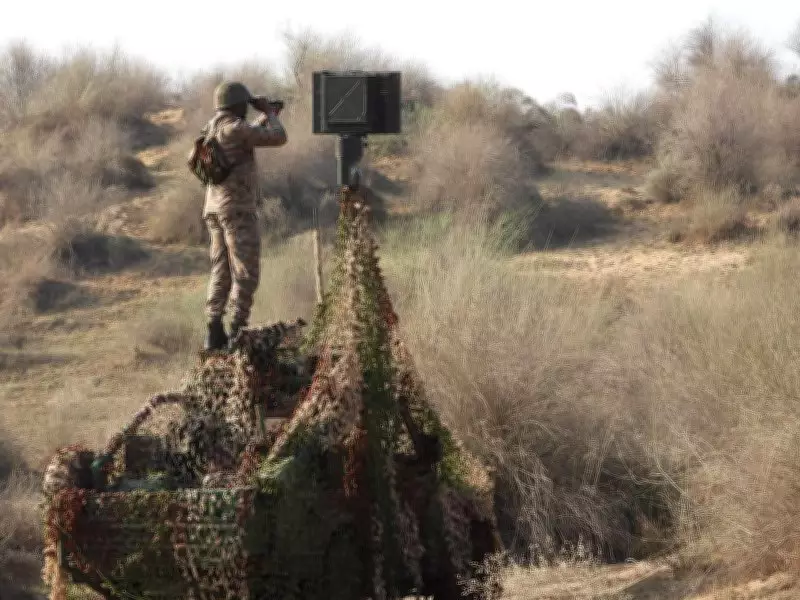
Operation Sindoor Anniversary: Army's Strategic Shift to Future Warfare
One year after the execution of Operation Sindoor, the Indian Army is commemorating a significant transformation in its operational doctrine, marked by a decisive move towards precision strikes and the development of lean combat units. This strategic evolution underscores the military's commitment to adapting to the complexities of modern warfare, where agility, technology, and targeted operations take precedence over traditional mass deployments.
Precision Strikes: A New Era of Military Operations
The aftermath of Operation Sindoor has catalyzed a renewed focus on precision strike capabilities within the Indian Army. This approach involves the use of advanced weaponry, intelligence-driven targeting, and minimal collateral damage, allowing for more effective and efficient engagements. By leveraging cutting-edge technologies such as drones, satellite imagery, and real-time data analytics, the army aims to enhance its ability to neutralize threats with surgical accuracy. This shift is not merely tactical but represents a broader doctrinal change, aligning with global trends in military strategy that prioritize precision over brute force.
Lean Combat Units: Enhancing Agility and Responsiveness
In tandem with the emphasis on precision strikes, the Indian Army is actively restructuring its combat formations into leaner, more agile units. These streamlined forces are designed to operate with greater speed and flexibility, capable of rapid deployment and adaptation in dynamic battlefield scenarios. The move towards lean combat units involves reducing bureaucratic layers, optimizing logistics, and empowering smaller teams with enhanced decision-making authority. This transformation aims to improve the army's responsiveness to emerging threats, from asymmetric warfare to cross-border incursions, ensuring a more resilient and proactive defense posture.

Technological Integration and Training Overhauls
Central to this strategic shift is the integration of advanced technologies and comprehensive training overhauls. The Indian Army is investing in next-generation equipment, including unmanned systems, cyber warfare tools, and networked communication platforms, to support its precision and lean unit initiatives. Concurrently, training programs are being revamped to focus on joint operations, situational awareness, and the ethical use of force in complex environments. These efforts are geared towards building a future-ready force that can seamlessly blend human expertise with technological prowess.
Implications for National Security and Global Standing
The evolution towards precision strikes and lean combat units has profound implications for India's national security and its standing in the global military landscape. By adopting a more sophisticated and adaptable approach, the Indian Army aims to deter adversaries, protect territorial integrity, and contribute to regional stability. This shift also positions India as a forward-thinking military power, capable of addressing contemporary challenges such as terrorism, hybrid threats, and technological disruptions. As the army continues to refine its strategies, the lessons from Operation Sindoor serve as a catalyst for ongoing innovation and preparedness.
In summary, the anniversary of Operation Sindoor marks a pivotal moment in the Indian Army's journey towards future warfare. Through a concerted focus on precision strikes and lean combat units, the military is not only enhancing its operational effectiveness but also setting a new standard for defense readiness in an increasingly uncertain world.