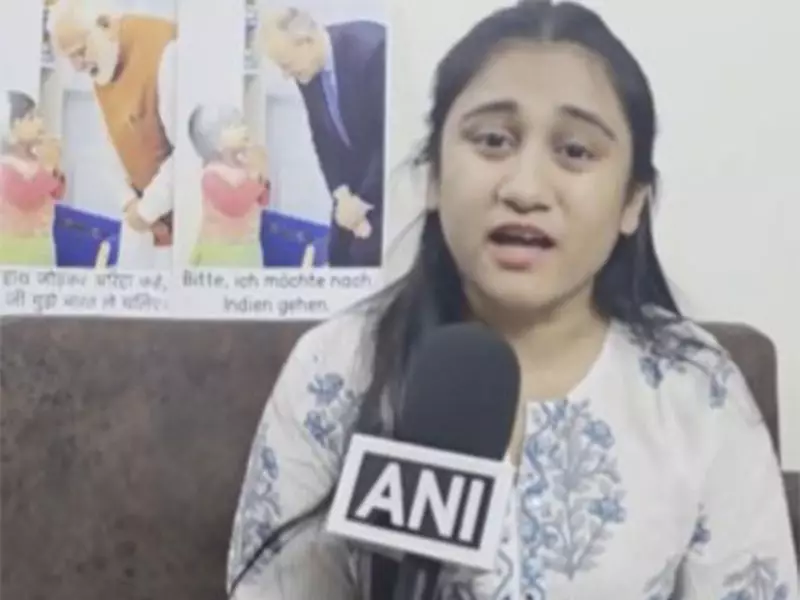
The family of Ariha Shah, a three-year-old Indian girl who has been in German foster care for over two years, has made a fresh and emotional appeal for her return. They are urging the Indian and German governments to engage in a constructive dialogue focused on preserving the young child's fundamental rights and cultural identity.
A Prolonged Foster Care and a Family's Anguish
The case dates back to September 2021 when Ariha Shah was placed in the custody of Germany's Youth Welfare Office (Jugendamt). The incident occurred in Berlin when the child sustained an accidental injury while in the care of her parents, Dhara and Bhavesh Shah. German authorities interpreted the injury as evidence of potential endangerment and intervened, placing Ariha in state care. The child has now spent more than half her life away from her biological parents and Indian cultural milieu.
In a recent plea, Ariha's aunt, Pratiksha Shah, highlighted the deep distress this separation has caused. "Our entire family is devastated," she stated, emphasizing that the prolonged foster care is causing irreparable harm to Ariha's connection with her language, religion, and heritage. The family's primary concern is that the child is growing up in an environment completely disconnected from her Indian roots.

Call for Diplomatic Dialogue and Cultural Preservation
The central demand from the Shah family is for the two governments to initiate a high-level dialogue. They believe such talks are crucial to find a resolution that prioritizes Ariha's best interests, which they argue inherently include being raised within her biological family and cultural context. The family has expressed gratitude for the support from the Indian government, particularly the Ministry of External Affairs (MEA), which has consistently taken up the issue with German authorities.
However, they stress that more urgent and decisive diplomatic action is needed. "The Indian and German governments should engage in dialogue to preserve the rights of our young girl," Pratiksha Shah appealed. This dialogue, they hope, would lead to a framework where Ariha's right to family life and her cultural rights are upheld as paramount, potentially paving the way for her repatriation to India.
Legal Complexities and the Path Forward
The case sits at a complex intersection of different child welfare laws and cultural perspectives. German family law, which guides the Jugendamt, often prioritizes the child's immediate safety and can be hesitant to return a child to a situation once flagged for risk, even if the parents are deemed fit later. Indian authorities and the family argue that the cultural and psychological damage of being severed from her family must be a primary consideration.
The Indian government has maintained that Ariha Shah's case is a matter of priority and has been raised at the highest levels with Germany. Officials have assured that they are committed to ensuring the child's welfare and her return to India. The family, while acknowledging this support, continues to campaign publicly to keep the issue in the spotlight and increase pressure for a swift resolution.
As the legal and diplomatic processes continue, the clock is ticking for Ariha Shah. Every passing day in foster care further entrenches her in a foreign system, making the goal of reintegrating her into her Indian family more challenging. The outcome of this case could set a significant precedent for how transnational child custody disputes involving cultural rights are handled in the future.