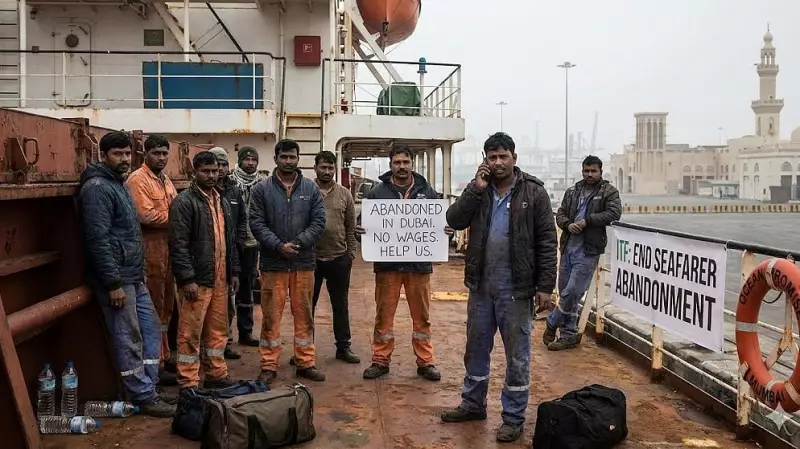
Over 6,000 Indian Seafarers Abandoned in 2025, Highest Globally: Report
A recent report has unveiled a distressing situation in the maritime industry, with over 6,000 Indian seafarers abandoned in 2025, marking the highest number globally. This alarming statistic underscores significant challenges in maritime labor rights and the welfare of seafarers from India, who form a substantial part of the global shipping workforce.
Global Crisis in Seafarer Abandonment
The report highlights that India leads the world in cases of seafarer abandonment, a term referring to situations where shipowners desert their crew members, often leaving them without pay, proper food, or medical care. This crisis is not isolated to India but reflects broader issues in international shipping, where economic pressures and regulatory gaps can lead to such neglect. The high number of Indian seafarers affected points to vulnerabilities in recruitment practices and legal protections for these workers.
Impact on Indian Seafarers and Their Families
For the over 6,000 Indian seafarers abandoned, the consequences are severe. Many face financial hardship, health risks, and psychological distress, stranded far from home without support. Their families in India also suffer, relying on remittances that may be cut off. This situation calls attention to the need for stronger enforcement of maritime laws and better support systems for seafarers, who are essential to global trade but often overlooked in labor rights discussions.

Calls for Action and Policy Reforms
In response to the report, experts and advocacy groups are urging immediate action. Recommendations include:
- Enhanced Monitoring: Improved tracking of seafarer welfare by international bodies like the International Maritime Organization (IMO).
- Legal Reforms: Stricter penalties for shipowners who abandon their crews and better legal recourse for affected seafarers.
- Support Networks: Establishment of dedicated helplines and assistance programs for abandoned seafarers and their families.
As India continues to be a major supplier of seafarers to the global market, addressing this issue is crucial not only for humanitarian reasons but also for maintaining the integrity of the maritime industry.