Why Booking a Dhikala Safari in Jim Corbett National Park Is So Challenging
For wildlife enthusiasts and tourists visiting Jim Corbett National Park in Uttarakhand, India, a safari in the Dhikala Zone of the Corbett Tiger Reserve is often the ultimate goal. This zone is widely regarded as the crown jewel of Corbett tourism, celebrated for its expansive grasslands, breathtaking views of the Ramganga floodplains, and exceptional opportunities to spot elephants, deer, crocodiles, and even the elusive Bengal tiger in its natural, open habitats.
Unlike other zones within the reserve, Dhikala is situated deep within the park's core areas, which are conservatively managed by the forest department. This strict conservation approach results in an extremely limited number of visitors allowed into the zone at any given time, making it one of the toughest safari bookings in Indian wildlife tourism.
Jeep Safaris Require Overnight Stays Inside the Forest
One of the primary distinctions between Dhikala and other Corbett zones is the entry requirement for jeep safaris. In most tourism zones, visitors can easily book a gypsy safari for a morning or afternoon tour and return to their accommodations outside the park. However, this is not possible in Dhikala.

To embark on a jeep safari in Dhikala, visitors must stay overnight in one of the government-run rest houses within the forest. This rule is enforced because Dhikala is located deep in the core of the Corbett Tiger Reserve, far from the main entrance gates. Consequently, only those staying in the forest are permitted to go on jeep safaris, which automatically restricts the number of visitors. It's worth noting that canter safaris are available for day visitors as an alternative.
Extremely Limited Accommodation Inside Dhikala
The number of visitors allowed in Dhikala is directly tied to the availability of rooms within the forest. Accommodations are limited to a handful of government forest rest houses in the Dhikala tourism range. The most famous of these is the legendary Dhikala Forest Rest House, perched on a ridge with spectacular views of the Ramganga Reservoir and surrounding grasslands.
Other smaller accommodations include Gairal Forest Rest House, Sarpduli Forest Rest House, and Sultan Forest Rest House. These facilities were originally built decades ago to accommodate a small number of forest officers and tourists. Even today, the number of rooms and dormitory beds remains relatively low, despite the enormous demand from both domestic and international travelers. Since overnight stays are mandatory for jeep safaris, the limited accommodations directly impact the availability of safari permits.
Booking Windows Open Weeks in Advance and Fill Up Rapidly
Another significant factor contributing to the difficulty of booking a stay in Dhikala is the reservation system. Rooms within the forest are typically made available online several weeks in advance. Experienced wildlife travelers and tour operators are well-aware of these booking periods and act quickly when they are announced.
Popular dates are often snapped up immediately, leaving little opportunity for casual planners or those booking closer to their travel dates. The high competition for a small number of rooms makes Dhikala one of the most challenging destinations to secure a booking in all of Indian wildlife tourism.
Seasonal Closure Reduces Availability
Dhikala operates only part of the year, which further limits availability. Like most core areas of Jim Corbett National Park, the Dhikala zone is closed during the monsoon season from mid-June to mid-November. During this period, heavy rains make roads slippery and difficult to navigate, and the park uses this time for ecosystem rejuvenation from tourism impacts.
When the zone reopens after the monsoon, demand surges as wildlife tourists eagerly book rooms for the upcoming season. The limited operational period intensifies the competition for accommodations, making it even harder to secure a spot.

Dhikala Offers Premier Wildlife Viewing Experiences
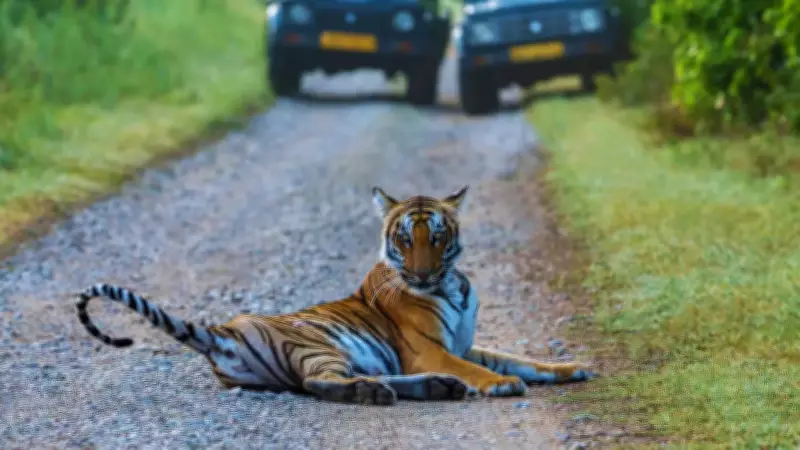
The final reason for the booking challenges is perhaps the most obvious: Dhikala is renowned as the best spot for wildlife viewing in Corbett. Its grasslands allow visitors to spot animals from a distance, with herds of spotted deer and hog deer grazing in the chaurs. Elephants frequently traverse the floodplains, and crocodiles bask on the banks of the Ramganga Reservoir.
The abundance of deer attracts tigers to the region, enhancing the chances of sightings. While wildlife encounters are never guaranteed, the unique geography of Dhikala provides some of the most rewarding safari experiences, driving its popularity and the consequent booking difficulties.