Whispers by the Fireplace: The Legend of U Thlen
The villagers of Mawsynram speak of U Thlen only in hushed tones. Elders whisper the name with a mixture of fear and reverence, believing the entity can shape-shift into any form, capture its victims, and drain their blood completely. "They won't discuss it openly," murmured my college friend and guide, Tash, as I shifted uncomfortably on a child-sized wooden stool. That cold January night in the world's wettest place—surprisingly dry during our visit—became unforgettable thanks to this eerie folklore shared around the fireplace.
A Journey to Meghalaya's Mystical Landscape
My travels across India have spanned over 25 states, encompassing wilderness adventures, culinary explorations, and souvenir hunts. However, this trip to Meghalaya with friends from the US was different. Originating from a casual Delhi gathering over pizza, our mission was simple: witness Mawsynram, renowned as the planet's rainiest location. Ironically, January presented it bone-dry.
Tash, already working locally, guided us from Shillong through breathtaking terrain. The drive, though rough and extending Google Maps' two-hour estimate to three and a half, offered stunning vistas that made every bump worthwhile. Arriving in Mawsynram revealed not a bustling town but serene, rolling hillocks dotted with pine groves, scattered houses, and children playing with wooden toy cars—a scene of idyllic tranquility.

The Shadow of U Thlen: Fear and Folklore
As dusk approached at 4 PM, a Khasi woman called her children indoors, signaling our entry into her home. Seated by the fire, Tash unraveled the legend of U Thlen, a malevolent shape-shifting serpent from Khasi mythology. This creature, both feared and revered, was said to grant immense wealth and prosperity in exchange for human blood sacrifices.
Over time, U Thlen evolved into a symbol of greed and moral decay, representing how prosperity gained through cruelty corrodes society. Villagers lived in terror, attributing disappearances to the serpent's hunger. They believed that if U Thlen obtained a personal item—like clothing or hair—it could transform, seize the owner, and consume their blood. This fear explained why locals ensured children were safe indoors before sunset.
The Defeat of the Serpent and Dainthlen Falls
Curiosity led us to ask: how was U Thlen defeated? Tash recounted a popular version where a clever Khasi man tricked the serpent into consuming lime (chuna). When U Thlen drank water afterward, the chemical reaction generated lethal heat, killing the monster. But the story didn't end there.
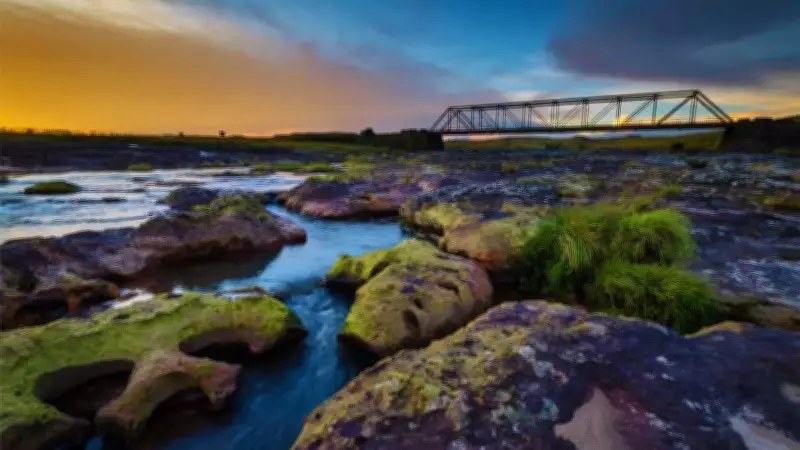
The serpent's colossal body was dragged and hurled off a cliff, crashing onto rocks below. The site where it was dismembered became known as Dainthlen Falls, one of Meghalaya's most famous waterfalls. Its crater-like surface, locals claim, marks where U Thlen's pieces fell. The name itself derives from Khasi words: dain (to slay) and thlen (the serpent), meaning "the place where Thlen was slain." Visitors can still see rock formations believed to bear scars from the serpent's body.
A Travel Tale to Remember
Sipping hot red tea by the fire, occasionally startled by the family cat's tail, I observed my American friends listening intently, their gasps perfectly timed. Whether they fully grasped the legend mattered less than the unique experience: a deep dive into Northeast India's remote cultural heritage. Travel, after all, is about collecting such stories—ones that blend myth, landscape, and local wisdom into unforgettable narratives.