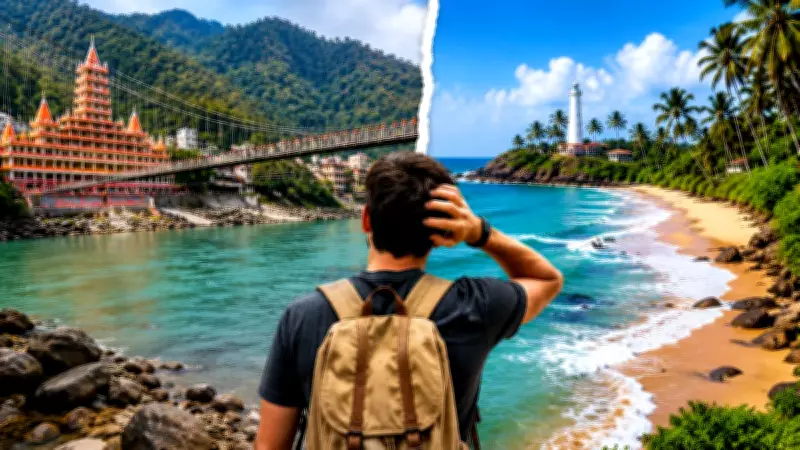
Traveller Chooses Sri Lanka Over Rishikesh Due to High Hotel Costs
A recent social media post has highlighted the stark difference in hotel pricing between Indian tourist destinations and international alternatives. A traveller, identified as Ananya Sharma, shared her experience of opting for a trip to Sri Lanka instead of Rishikesh after comparing accommodation costs. According to her post on X (formerly Twitter), she found hotel rates in Rishikesh to be significantly higher than those in Sri Lanka, prompting her to change her travel plans.
Price Comparison Reveals Significant Disparity
Sharma detailed that a standard hotel room in Rishikesh cost around INR 8,000 per night during the peak season, whereas a similar room in Sri Lanka was available for approximately INR 3,500 per night. This price difference of over 50% made Sri Lanka a more attractive option, especially considering the additional value of experiencing a new country. She noted that the savings on accommodation alone covered a significant portion of her flight expenses to Colombo.
Social Media Reactions and Broader Implications
The post quickly went viral, garnering over 50,000 likes and thousands of comments. Many users echoed similar sentiments, sharing their own experiences of choosing international destinations over domestic ones due to pricing. Some pointed out that while Rishikesh offers unique spiritual and adventure experiences, the inflated hotel prices during peak seasons deter budget-conscious travellers. Others argued that the comparison may not be entirely fair, as Sri Lanka has a different cost structure and exchange rate advantages.

Impact on Domestic Tourism
This incident has sparked a broader conversation about the affordability of domestic tourism in India. Industry experts suggest that while demand for travel has surged post-pandemic, the supply of quality accommodation has not kept pace, leading to price hikes. According to a report by the Federation of Associations in Indian Tourism & Hospitality (FAITH), hotel rates in popular destinations like Rishikesh, Goa, and Manali have increased by an average of 20-30% over the past year. This trend is pushing some travellers to explore international options that offer better value for money.
Government and Industry Response
In response to such concerns, the Ministry of Tourism has announced plans to promote off-season travel and develop alternative destinations to reduce pressure on hotspots. Additionally, hotel associations are being encouraged to offer more competitive pricing and packages. However, as Sharma's case illustrates, individual travellers are increasingly making cost-based decisions that could reshape tourism patterns in the long run.