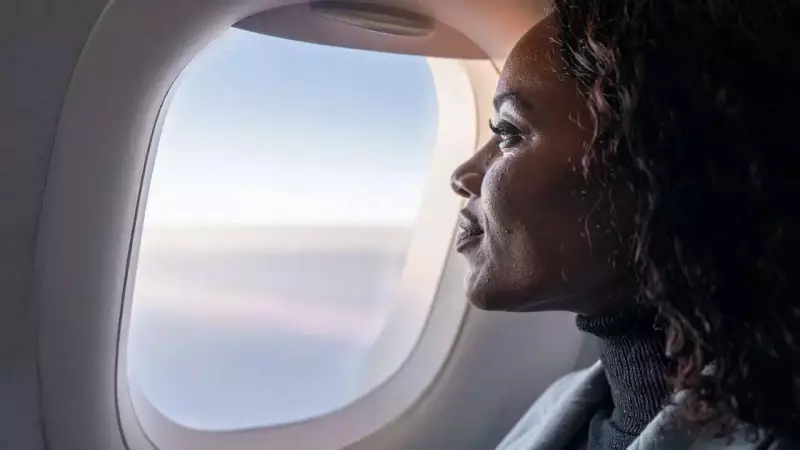
Have you ever stopped to think about that automatic turn you make as you step onto an aircraft? You walk through the gate, cross the jet bridge, and without a second thought, you turn left. This ritual, repeated by millions of passengers daily across India and the world, feels so normal it's almost invisible. Yet, this consistent practice of boarding from the left side is neither random nor a mere design choice. It is the result of a fascinating blend of history, critical safety decisions, and practical airport logistics that have quietly defined modern air travel.
The Maritime Origins of Left-Side Boarding
The story begins not in the skies, but on the seas. Long before commercial aviation, maritime traditions set a crucial precedent. In the age of ships, the left side of a vessel was known as the port side. This was the side traditionally used for docking and boarding passengers. The right side, or starboard, typically housed the steering equipment, making it unsuitable for routine boarding. When aviation pioneers took to the skies, they naturally borrowed from these well-established maritime customs. The practice of boarding from the left felt intuitive, safe, and familiar, so it seamlessly transitioned into the new world of flying as the industry evolved.
Safety and Efficiency on the Busy Airport Apron
While the passenger boarding process seems calm, the area around an aircraft, known as the apron, is a hive of dangerous activity. As travellers settle into their seats, a carefully choreographed ballet of ground operations unfolds almost exclusively on the aircraft's right side. This is where heavy fuel trucks connect to wing ports, baggage loaders operate, catering trucks deliver meals, and maintenance crews perform last-minute checks. Keeping passengers confined to the left side creates a vital physical separation, dramatically reducing the risk of accidents involving people, heavy machinery, and volatile fuel operations. This system is a masterpiece of efficiency and safety, working silently in the background so passengers never have to worry about the complexities on the other side of the fuselage.

How Pilot Positioning and Infrastructure Cemented the Rule
Two other key factors locked this system into place globally. First, the pilot's seat in the cockpit is almost always on the left. This positioning, itself influenced by older transport traditions, gives the pilot better visibility while taxiing and aligning with the gate. Boarding from the left allows the flight crew to easily monitor the process. Secondly, once left-side boarding became standard, the entire world's airport infrastructure was built around it. Jet bridges, terminal design, passenger flow, staff training, and safety protocols all assume this direction. Aviation thrives on global consistency and predictability to minimize errors. Changing this deeply ingrained system would require a monumental and costly redesign of thousands of airports worldwide.
The next time you instinctively turn left to board your flight from Delhi, Mumbai, or any Indian airport, remember that this simple habit is the product of decades of experience, intelligent problem-solving, and meticulous design. It's one of those invisible systems that makes the complex miracle of modern air travel feel effortless and safe, with a rich history guiding your every step.