Sikkim: India's Last Frontier Without Railway Access
In a nation celebrated for its vast and intricate railway network that seamlessly connects bustling metropolises with remote townships, it's easy to assume that every corner of India is accessible by train. Indian Railways, operating one of the world's largest rail systems, spans across diverse landscapes from arid deserts to lush plains and formidable mountains. Yet, there exists a remarkable exception to this rule of connectivity.
The Himalayan State Beyond the Rails
Sikkim stands as a unique case in India's transportation landscape. This picturesque Himalayan state currently has no operational railway stations or active railway routes within its borders, making it the only Indian state completely devoid of railway connectivity. This isolation from the national rail network presents both challenges and opportunities for travelers and residents alike.
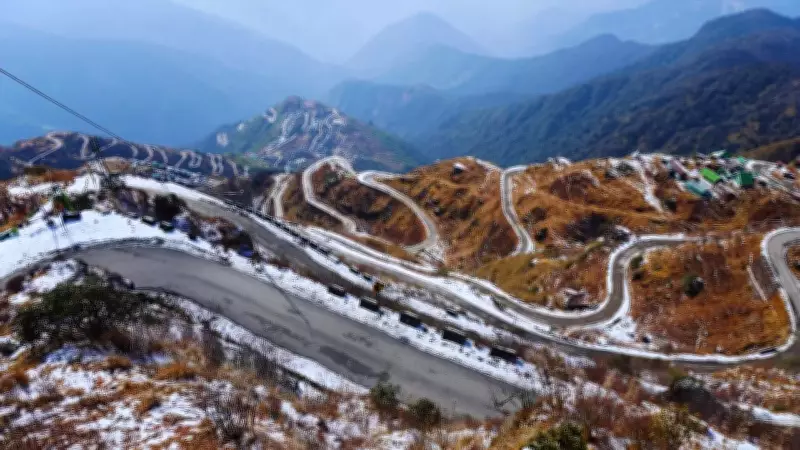
The primary reason for this railway absence lies in Sikkim's formidable geography. The state is characterized by steep mountainous terrain, deep river valleys, and environmentally sensitive zones that make conventional railway construction exceptionally difficult. Building tracks through this landscape would require extensive tunneling and engineering feats that have delayed railway expansion into the region.

A Temporary Isolation: The Coming Railway Connection
This railway isolation is not permanent. Significant progress is being made on the Sevoke-Rangpo railway project that will connect Sikkim to the national network through West Bengal. Once completed, Rangpo will become Sikkim's first operational railway station, marking a historic milestone in the state's transportation development. This project represents a major infrastructure undertaking that could transform accessibility to the region.
Practical Travel Options to Reach Sikkim
By Train and Road: The Most Popular Route
The most common approach for travelers involves taking a train to New Jalpaiguri (NJP) railway station, which enjoys excellent connectivity to major Indian cities including Delhi and Kolkata. From NJP, located near Siliguri, the journey continues by road. Travelers can choose from shared jeeps, taxis, or buses for the approximately four to five-hour drive to Gangtok, Sikkim's capital. This scenic route follows the Teesta River, offering breathtaking views as the landscape transitions from plains to mountains.
By Air and Road: The Fastest Alternative
For those seeking quicker access, air travel provides an efficient option. Sikkim has its own airport at Pakyong, situated about 30 kilometers from Gangtok. However, flights to Pakyong are limited and often subject to weather conditions in the mountainous region. A more reliable alternative is flying to Bagdogra Airport, which offers better connectivity to major Indian cities. From Bagdogra, the road journey to Gangtok takes approximately four to five hours, providing another scenic approach to the Himalayan state.
By Road: For the Journey Enthusiasts
Road trips to Sikkim have become increasingly popular among travel enthusiasts. The state enjoys good road connectivity with West Bengal and neighboring regions, with most routes originating from Siliguri. The drive offers a gradual and spectacular transition from the plains to the mountains, making it particularly appealing to bikers and road trip aficionados. This journey allows travelers to experience the changing landscapes, cultures, and rhythms of the region in a way that air travel cannot replicate.
The Silver Lining of Railway Absence
The lack of railway connectivity has, in many ways, helped preserve Sikkim's unique character and remote charm. Reaching Sikkim isn't merely about arriving at a destination—it's an immersive journey that offers rich experiences along the way. Travelers encounter dramatic environmental changes, diverse cultural exposures, and a distinct shift in pace that begins well before they reach their final destination.

While railway connectivity to Sikkim remains a future possibility that may still be several years away, the state is far from inaccessible. Through well-developed road networks and improving air connections, Sikkim remains reachable for determined travelers. Perhaps this very absence of railway access contributes to the special experience of visiting Sikkim—transforming what could be a simple journey into a memorable adventure that emphasizes the value of the travel experience itself, not just the destination.