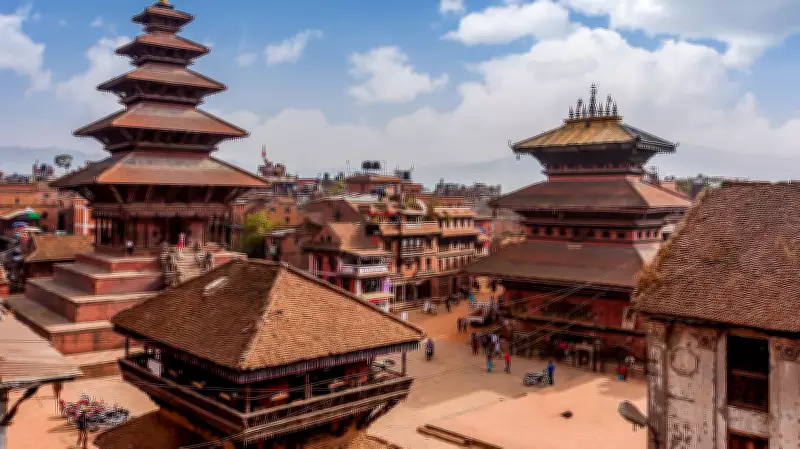
Bhaktapur, one of Nepal's three medieval kingdoms, stands as a living museum of Newar art and architecture. Designated a UNESCO World Heritage City, its every alley, temple, and workshop brims with creative expression. From intricately carved wooden windows to vibrant thangka paintings and centuries-old pottery traditions, the city offers an immersive cultural experience that has endured for generations.
Architectural Marvels and Heritage
The city's Durbar Square, a UNESCO World Heritage Site itself, showcases exquisite palaces, temples, and courtyards built between the 12th and 18th centuries. The 55 Window Palace, with its finely carved wooden balconies, and the Nyatapola Temple, a five-story pagoda towering over the square, are prime examples of Malla-era craftsmanship. According to local guides, the Nyatapola Temple, built in 1702, is one of the tallest pagodas in Nepal and has survived earthquakes due to its robust construction.
Pottery and Craftsmanship
Pottery Town, located near the city's entrance, is a hub for traditional clay work. Artisans shape pots, vases, and figurines using foot-powered wheels and kilns fired by wood and straw. The craft, passed down through families, produces items used in daily life and religious ceremonies. A local potter, Ram Shrestha, noted, "Our hands have been shaping clay for centuries. Each piece tells a story of our ancestors." The area also features brick-laid streets and ancient water spouts, adding to its historic charm.

Thangka Paintings and Religious Art
Thangka painting, a Buddhist art form depicting deities and mandalas, thrives in Bhaktapur's workshops. Artists use natural pigments and gold leaf on cotton or silk, following strict iconographic rules. Many thangkas are commissioned for monasteries or homes, serving as meditation aids. The city's art schools offer classes to preserve this tradition. A thangka artist, Karma Lama, explained, "Every brushstroke carries spiritual meaning. It takes months to complete a single piece."
Festivals and Living Culture
Bhaktapur's cultural calendar is packed with festivals like Bisket Jatra, a New Year celebration featuring chariot processions and tug-of-war rituals. During festivals, the city's squares come alive with music, dance, and masked performances. The local government supports these events as tourism draws, with visitor numbers increasing annually. In 2025, Bhaktapur welcomed over 500,000 tourists, according to the Nepal Tourism Board, contributing significantly to the local economy.
Preservation Challenges and Future
Despite its UNESCO status, Bhaktapur faces challenges from urbanization and earthquake damage. The 2015 earthquake destroyed many structures, but international aid and local efforts have restored key sites. The city's management plan focuses on sustainable tourism and heritage conservation. As one official stated, "We balance development with preservation to keep Bhaktapur's soul intact." Ongoing projects include training artisans and improving infrastructure while maintaining traditional aesthetics.