Karnataka Safari Ban Lifted: Tourism Stakeholders Welcome Move, Farmers' Leaders Oppose
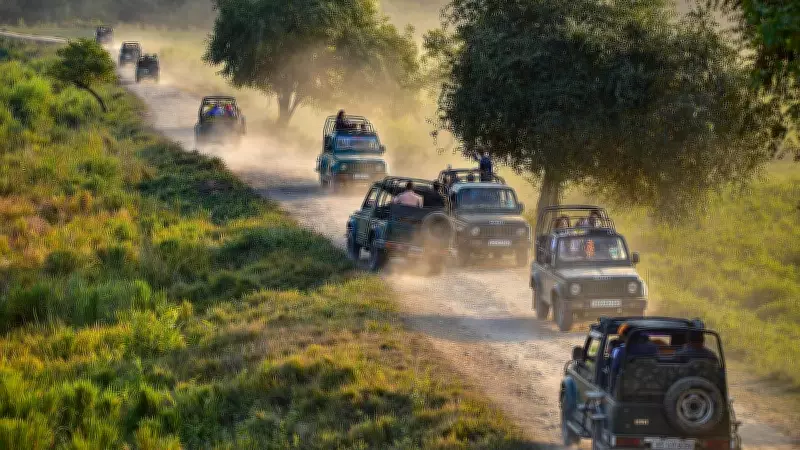
The Karnataka government has officially lifted the ban on safari operations in its prominent tiger reserves, a decision that has sparked mixed reactions across the state. The move, which comes after formal government approval, is set to resume wildlife tourism activities in key protected areas, including the Nagarahole Tiger Reserve and the Bandipur Tiger Reserve.
According to APCCF Biswajith Mishra, the safari activities will recommence following the completion of all necessary governmental procedures. This announcement marks a significant shift in the state's approach to managing its forest reserves and balancing ecological concerns with economic interests.
Tourism Sector and Local Communities Express Relief
Tourism stakeholders and local residents have largely welcomed the decision, viewing it as a crucial step towards reviving the region's economy. The safari ban, which had been in place due to escalating human-animal conflicts, had severely impacted livelihoods dependent on wildlife tourism.

Industry experts highlight that the resumption of safaris is expected to boost local businesses, create employment opportunities, and attract domestic and international tourists back to Karnataka's rich biodiversity hotspots. Many locals argue that regulated tourism can coexist with conservation efforts, providing essential revenue for forest management and community development projects.
Farmers' Leaders Voice Strong Opposition
In contrast, farmers' leaders and agricultural communities have expressed strong opposition to the lifting of the safari ban. They cite ongoing concerns about human-animal conflicts, particularly incidents of crop damage, livestock predation, and threats to human safety from wildlife encroachments.
Opponents argue that resuming safari operations could exacerbate these conflicts by increasing human presence in sensitive forest areas. They call for more robust measures to address the root causes of human-animal interactions, such as habitat fragmentation and inadequate compensation schemes for affected farmers.
Balancing Conservation and Economic Interests
The decision underscores the complex challenge of balancing wildlife conservation with economic development in Karnataka. While the government aims to promote sustainable tourism, it must also address the legitimate fears of farming communities living on the fringes of tiger reserves.
Authorities have indicated that the resumed safaris will operate under strict guidelines to minimize ecological disruption and ensure visitor safety. However, the success of this initiative will depend on effective implementation, continuous monitoring, and inclusive dialogue with all stakeholders, including conservationists, tourism operators, and local residents.
As Karnataka moves forward with this policy, the outcomes will likely influence similar debates in other regions grappling with human-wildlife coexistence. The state's experience could serve as a valuable case study for integrating tourism, conservation, and community welfare in forest management strategies.