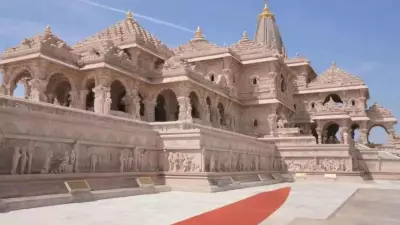
In the bustling heart of India's capital, the Jhandewalan Temple stands as a powerful beacon of faith and devotion. Dedicated to Goddess Aadi Shakti, this ancient shrine is not just a place of worship but a significant landmark in Delhi's spiritual landscape. For devotees and tourists alike, a visit offers a profound sense of peace amidst the city's chaos. This comprehensive guide delves into the temple's rich history, reveals the ideal time for a visit, and provides clear directions on how to reach this revered site.
The Legend and History of Jhandewalan Temple
The origins of the Jhandewalan Temple are steeped in captivating mythology. According to popular belief, the temple marks the spot where the hand (hath) of Goddess Sati fell during the tragic episode following Lord Shiva's Tandava. This makes it one of the revered 51 Shakti Peethas scattered across the Indian subcontinent. The name 'Jhandewalan' itself is derived from 'jhanda', meaning flag, referring to the flags that have historically flown over the temple complex.
Historical records suggest that the temple's existence dates back several centuries, with its current structure undergoing significant development over time. The site is deeply associated with the devotion of a saintly figure, Bhagat Balu, who is said to have discovered the idol of the Goddess here. The primary deity, Maa Jhandewali, is a form of Goddess Durga, and the temple complex also houses shrines dedicated to Lord Hanuman and other gods. The sanctum sanctorum is located below ground level, adding to the unique spiritual ambiance of the place.

Best Time to Visit for a Divine Experience
While the doors of Jhandewalan Temple are open to devotees throughout the year, certain periods offer an exceptionally vibrant and auspicious atmosphere. The most significant time to visit is during the nine-day festival of Navratri, celebrated twice a year (Chaitra and Sharad Navratri). During these days, the temple is adorned magnificently, and special prayers, rituals, and aartis are performed, attracting thousands of devotees.
For a more peaceful darshan, consider visiting on weekdays rather than weekends. The temple timings generally run from early morning, around 5:00 AM, until late evening, closing at about 10:00 PM. The morning and evening aarti times are particularly spiritually charged. It is advisable to avoid major public holidays and festival peaks if you prefer a less crowded experience. The winter months, from October to March, provide pleasant weather for travel and waiting in queues.
How to Reach Jhandewalan Temple in Delhi
Located in the central part of Delhi, the Jhandewalan Temple is well-connected by various modes of public transport, making it easily accessible from any corner of the city.
By Delhi Metro: This is the most convenient and recommended way to reach. The temple is a short walk from the R K Ashram Marg Metro Station on the Blue Line. Exit the station and the temple is within a 5 to 7-minute walking distance, with clear signage guiding the way.
By Road: The temple is situated on the busy Jhandewalan Road, near the intersection of Desh Bandhu Gupta Road and R K Ashram Marg. You can hail a taxi, book an auto-rickshaw, or use app-based cab services like Ola or Uber. Direct buses also ply on routes passing through Karol Bagh and R K Ashram Marg.
Nearest Landmarks: The temple is close to the famous Karol Bagh market area and the Delhi Stock Exchange. This central location ensures that reaching the temple is straightforward regardless of your starting point in the National Capital Region.
In conclusion, the Jhandewalan Temple is more than just a historical site; it is a living testament to Delhi's enduring spiritual fabric. Whether you are seeking blessings, exploring architectural heritage, or experiencing cultural fervor, a visit to this sacred Shakti Peeth promises a memorable and uplifting journey. Plan your visit using this guide to make the most of your spiritual sojourn in the heart of Delhi.