Travel as a Mirror: Indian Tourist's Vietnam Experience Sparks Civic Sense Debate
Travel represents far more than mere sightseeing; it functions as a profound exercise in soft power. When individuals journey across international borders, they carry not just their passports but also their ingrained habits, conversational volume levels, queue etiquette, bargaining approaches, and unspoken social codes. Locations such as airports, bustling markets, and amusement parks frequently transform into subtle arenas where national stereotypes are quietly observed and discussed.
An Uncomfortable Reflection in Vietnam
For numerous Indian travelers, international excursions serve as moments of national pride. However, sometimes travel presents an uncomfortable mirror reflecting aspects we might prefer to overlook. This precise scenario unfolded for one Indian Reddit user who recently documented his two-week holiday experience in Vietnam.
Sharing his observations on the platform, the traveler described perceiving a noticeable difference in how Vietnamese locals interacted with Indian tourists compared to visitors from other nations. The general tone appeared noticeably shorter, facial expressions seemed less warm, and hospitality felt more transactional than welcoming. "I could sense the locals were not a big fan of us," the Redditor acknowledged, adding with introspection, "I can't blame them."

Marketplace Negotiations and Airport Incidents
At vibrant street markets, bargaining sessions turned unexpectedly aggressive. Offers were presented so low that several vendors simply refused to conduct business. The traveler noted these were small enterprises operating within highly competitive environments, yet negotiations frequently extended beyond what he considered reasonable boundaries.
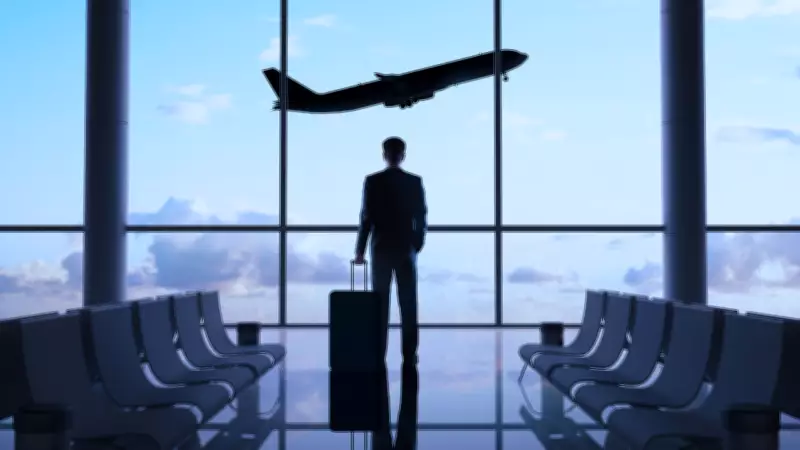
The most jarring episode, however, occurred at the airport during departure. Due to apparent staff shortages, the luggage check-in line progressed at a frustratingly slow pace. According to the Redditor's account, several Indian passengers began pushing forward, physically removing queue partitions to allow friends and family members to cut in line. "The mighty Indians took their civic sense for a ride," the post stated bluntly.
A French tourist waiting nearby reportedly grew increasingly frustrated as his position in the queue kept diminishing. When he attempted to explain the situation, he encountered only resignation and indifferent shrugs. Ultimately, he expressed his anger verbally before walking away from the chaotic scene.
Broader Behavioral Patterns Emerge
Additional incidents provided further context. At a local amusement park, loud arguments between parents and children disrupted what had been a relatively calm atmosphere. The traveler described nearby Korean tourists appearing visibly uncomfortable with the noise levels. At one point, a mother from another group politely requested quieter behavior, a plea that went completely ignored.
"India is a lovely country," the Redditor wrote in his concluding remarks. "But some Indians and our lack of sense? That's not."
Community Responses and Collective Responsibility
The post rapidly attracted responses from other Indians who had witnessed similar behavioral patterns during their international travels. One commenter recalled confronting a man who pretended to be engaged in a phone conversation while cutting a boarding queue. Another described tapping someone's shoulder in the United States to remind them, "Bro, there is a line here." A traveler in Singapore shared an experience where a designated "silent zone" airport lounge was disrupted by loud conversations and social media reels playing without headphones.
Multiple respondents argued that unless Indians proactively address such behavior within their own communities, negative stereotypes will persist internationally. "If we don't correct this behavior within our group, we don't show the world that there are Indians with better civic sense," one user emphasized, even declaring they had "resolved to police such civic behavior fails" during future travels.

The Larger Cultural Conversation
This discussion transcended any single airport or specific destination. It touched upon something more significant: how everyday habits cultivated in domestic environments translate when practiced abroad, and whether survival-style behaviors developed within crowded Indian systems become disruptive when transplanted to different cultural contexts.
International journeys sometimes deliver more than photographic memories and souvenir purchases. They can provide uncomfortable clarity about how we are perceived globally. Occasionally, the most challenging aspect of traveling isn't adapting to unfamiliar cuisine or language barriers. It's recognizing what invisible baggage we carry with us across borders.
Disclaimer: This article is based on a Reddit user's personal travel account. The experiences described represent individual perspectives and may not reflect broader realities.