Indian Hospitality Sees a Dramatic Reversal as Global Brands Pursue Standalone Properties
In a significant shift within the Indian hospitality sector, the post-Covid landscape is witnessing a remarkable reversal of trends. While the initial reopening phase saw a "flight to brands", with many standalone hotels aligning with major hospitality chains to attract guests and ensure safety, the tide has now turned. Big global brands are actively chasing niche Indian hotels, particularly standalone properties that have carved out a strong reputation and become crowd-pullers in their own right.
Aahana Forest Resort: A Case Study in Success and Expansion
Kamal Tripathi, promoter of the renowned Aahana Forest Resort in Jim Corbett, revealed that several prominent global brands have approached them for potential partnerships. "We are evaluating these offers carefully," Tripathi stated. "Our resort, which we transformed from wilderness into a virtual oasis, is currently undergoing substantial capital expenditure to enhance the guest experience further."
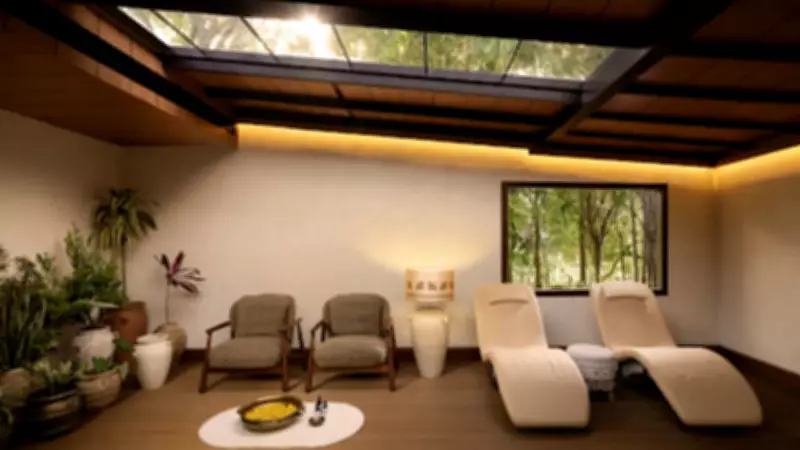
Following a major rebranding effort last year, Aahana recently inaugurated the Spa L’Occitane. The Tripathi family-run property, sprawling across 13.5 acres, is expanding its capacity by adding 33 new rooms and villas to the existing 66-key setup, along with a new ballroom. This strategic investment aligns perfectly with current market dynamics.

Domestic Tourism Drives the Shift in Hospitality Trends
The investment rationale is clear: post-pandemic, domestic tourists have become the backbone of India's travel industry, as international inbound traffic has yet to rebound to pre-2019 levels. Additionally, global factors such as the US-Iran conflict have reduced flight options and increased costs, particularly for travel to Western destinations, further bolstering domestic appeal.
Avni and Ayu Tripathi, Kamal's daughters who play a pivotal role in Aahana's evolution, noted a distinct change in guest demographics and preferences. "We are now hosting much younger guests who stay for longer durations compared to before," they explained. "The travel trend in India has completely transformed; today's guests seek more experiential and curated stays in every aspect."
Reflecting on the resort's origins, they shared, "In 2005, when our father acquired this land, it was barren with hardly any trees. We remember planting saplings every weekend while commuting from our schools in Nainital. Today, this place is lush with greenery that attracts numerous birds."
Infrastructure and Emotional Factors Fuel the Brand Chase
The upcoming Dehradun highway is expected to significantly boost travel from the Delhi NCR region, with hotels in the area anticipating a surge in footfalls. This anticipated growth explains why leading global brands are keen to partner with high-end properties in locations like Jim Corbett.
For owners of standalone Indian properties, partnering with a big brand is often an emotional decision. To address this, many major hospitality chains now adopt a co-branding approach, retaining the original property's name while adding their own. A leading hotelier from a big chain commented, "We recognize the exceptional work done by families in creating niche properties. We offer them opportunities to expand their footprint through tie-ups, which provides wider reach. There are numerous examples of single, well-known hotels partnering with big brands and subsequently developing multiple co-branded properties."
This evolving trend underscores a dynamic shift in India's hospitality industry, where experiential stays and domestic tourism are driving new alliances and growth strategies.