Bihar's Rs 25.3-Crore Heritage Haat to Transform Bodh Gaya into Model Pilgrim Hub
In a significant move to elevate Bodh Gaya as a premier pilgrimage destination, the proposed 'Heritage Haat' project, with an estimated budget of Rs 25.3 crore, is set to integrate livelihood support with heritage conservation, cultural programming, and the promotion of Bihar's GI-tagged products. This ambitious initiative aims to create a culturally vibrant and well-regulated marketplace that reflects the spiritual ethos of this global Buddhist hub.
Project Details and Strategic Location
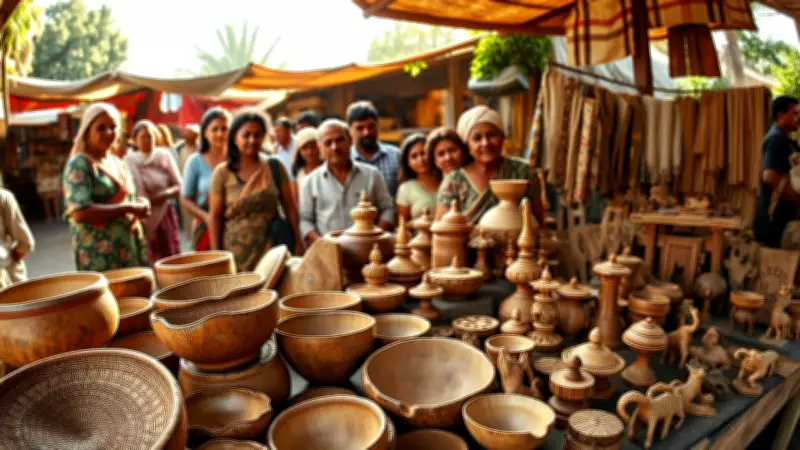
Planned on 0.72 acres at the Birla Market site under the Centre's Destination Development Scheme, the Heritage Haat will serve as a focal point for both tourists and locals. The project is designed to feature a variety of attractions, including weekend craft melas, live folk performances by local artists, tourist-artist interaction days, and a night bazaar. These elements are intended to foster a dynamic cultural environment while supporting economic activities.
Showcasing Bihar's Rich Heritage and Crafts
The craft melas will prominently showcase GI-tagged products from across Bihar, such as:

- Pattharkatti stone art of Gaya
- Manpur Patwa Toli fabric
- Madhubani paintings
- Bhagalpur silk
- Silao khaja
This initiative not only promotes local artisans but also preserves and celebrates the state's unique cultural heritage. The project includes landscaped open areas, shaded seating, pedestrian pathways, extended parking facilities, and upgraded public toilets to enhance visitor comfort and accessibility.
Execution and Management Structure
The Bihar State Tourism Development Corporation (BSTDC) will execute the project, while future operations will be managed by the local Municipal Council (Nagar Parishad). This collaborative approach ensures efficient implementation and sustainable management of the Heritage Haat.
Decongestion and Safety Enhancements
A key aspect of the project involves relocating around 400–500 street vendors to a dedicated market area. This move is expected to decongest the vicinity of the Unesco World Heritage Site, Mahabodhi Mahavihara, thereby enhancing safety, improving pedestrian mobility, and preserving the spiritual ambience for devotees and tourists. Additional safety measures include heritage-themed lighting and CCTV surveillance to ensure security, particularly during night hours.
Cultural Calendar and Community Engagement
Beyond its commercial objectives, the Heritage Haat proposes a year-round cultural calendar aligned with major Buddhist events. This includes celebrations for Buddha Purnima, Kalachakra puja led by His Holiness the Dalai Lama, Tipitaka chanting, Kagyu Monlam, and Nyingma Monlam. Such programming aims to deepen the cultural and spiritual experience for visitors while engaging the local community.
Local Perspectives and Concerns
Bodh Gaya Nagrik Vikas Manch president Suresh Singh welcomed the initiative, acknowledging it as a positive step towards the development of Bodh Gaya. However, he emphasized the importance of prioritizing local interests in the allotment of shops at the haat. Singh referenced past plans, including one prepared by the Bodh Gaya Nagar Parishad under former chairman Priti Singh, which did not yield desired outcomes. He urged officials to implement measures that safeguard local benefits to ensure the project's success and sustainability.
In summary, the Heritage Haat project represents a holistic approach to transforming Bodh Gaya into a model pilgrimage destination. By combining economic opportunities with cultural preservation and enhanced infrastructure, it aims to create a thriving, safe, and spiritually enriching environment for all stakeholders.