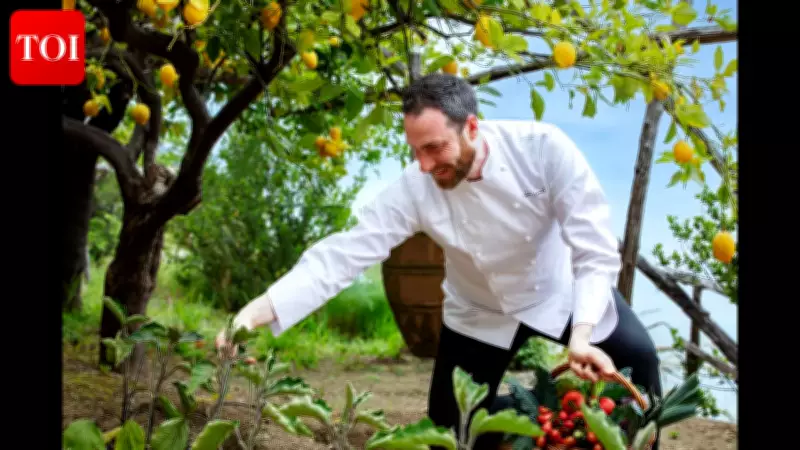
Foraging Tourism: The Rise of Authentic, Slow Travel Experiences
In a shift away from checklist tourism, travellers are increasingly drawn to experiences that feel personal, restorative, and deeply connected to place. Foraging has emerged as a powerful trend in this movement, offering a hands-on way to engage with local landscapes and cultures. This ancient practice, revived for modern journeys, allows visitors to move beyond souvenir shops and delve into the ecosystems that sustain communities.
From Ancient Roots to Modern Revival
Foraging is as old as humanity itself, yet its resurgence as a travel activity reflects contemporary desires for authenticity and mindfulness. Today’s travellers are curious about the origins of their food and the stories behind traditional foodways. Foraging experiences provide immersive learning opportunities, such as identifying edible plants, understanding seasonal cycles, and hearing generational knowledge from local guides.
Estelle Vassallo, General Manager at Anantara Convento di Amalfi Grand Hotel, explains: "Foraging and ingredient sourcing allow guests to reconnect with nature and appreciate the origins of their food. In today’s fast-paced world, travellers are increasingly seeking authentic, sustainable, and mindful experiences. Picking fresh herbs and cooking traditional recipes creates a sense of place and transforms a meal into a cultural story."

Cultural Immersion Through Foraging
In many regions, foraging is intricately tied to cultural identity. Travelling with local guides—whether gathering sea greens on coasts or wild mushrooms in mountains—enables visitors to engage with knowledge passed down through generations. For example, olive picking and olive oil tasting in Andalusia, Spain, offer a premier agricultural tourism experience. Available only during harvest season, this activity immerses guests in the world of Andalusian olive oil production.
A marketing associate at Villa Padierna Marbella describes: "Guests spend the day at a working farm, learning about olive cultivation, harvesting techniques, and the meticulous process behind some of the world’s finest extra virgin olive oils. The experience includes a guided tasting with local artisanal bread and concludes with guests bottling their own organic olive oil with a personalised label to take home."
Food as a Gateway to Deeper Connections
Culinary travel has long been popular, but foraging takes it a step further by involving travellers in gathering ingredients themselves. Many foraging trips culminate in shared meals, where guides or chefs transform the day’s finds into unforgettable dishes. This hands-on approach makes the dining experience feel earned and meaningful.
Estelle Vassallo adds: "Our Spice Spoons cooking class is a signature experience that combines culinary tradition with a sense of place. Guests begin in our convent garden, exploring aromatic herbs and seasonal produce. After foraging, they join our chef for a hands-on session, learning to prepare historic recipes like Cannelloni pasta, filled with fresh ricotta and herbs they have just picked."
Embracing Slow and Sustainable Travel
Foraging experiences often teach practical lessons about ecosystems, ethical harvesting, and biodiversity conservation. Travellers learn not only what to pick but also what to avoid, emphasizing sustainability through restraint. For instance, in North Wales near Snowdonia National Park, the Wild Food People’s Coastal Foraging Course teaches participants to identify and cook edible treasures from the shore. Similarly, Fowlescombe Farm in Devon combines organic farming with activities like food design and breadmaking.
Shalini KJ, a travel entrepreneur, notes: "Foraging requires patience and attention. You can’t rush a forest floor or fast-forward a tide. This naturally aligns with slow travel, encouraging visitors to linger, observe and move at the pace of nature rather than schedules."
Top Destinations for Foraging Experiences
India:

- Himachal Pradesh: Wild mushrooms, berries, and medicinal herbs with local mountain experts.
- Sikkim: Foraging for wild greens, ferns, and forest herbs shaped by Himalayan ecology.
- Uttarakhand: Edible leaves, wild fruits, and plants used in home kitchens and Ayurvedic practices.
- Kerala: Tropical foraging for wild yams, greens, and spice plants linked to Indigenous foodways.
- Nagaland & Northeast India: Forest foods, including wild shoots, herbs, mushrooms, and fermented ingredients.
International:
- Spain: Mediterranean foraging for wild herbs, greens, and olives, often paired with olive oil estate visits.
- Scandinavia: Berries, mushrooms, and herbs gathered under forest-access traditions.
- Japan: Seasonal mountain vegetables and wild mushrooms rooted in local culinary philosophy.
- Italy: Truffle hunting and wild herb foraging combined with rustic cooking and vineyard experiences.
- United Kingdom: Coastal and woodland foraging for sea vegetables, hedgerow fruits, and edible flowers.
Fact Check: The Growing Demand for Foraging Tourism
Recent research by a university identifies foraging as an emerging niche in tourism. Key findings include:
- 18% of travel agents and 39% of inbound/outbound operators reported client requests to forage with local specialists while travelling.
- "Foraging with a specialist" ranks as the fourth most requested food tourism experience, following cooking classes, visiting a farm, and trying street food.
- 55% of operators have already incorporated foraging experiences into their business offerings.
This data underscores the rising popularity of foraging as a sustainable and immersive travel trend, catering to modern tourists’ desires for authenticity and connection.