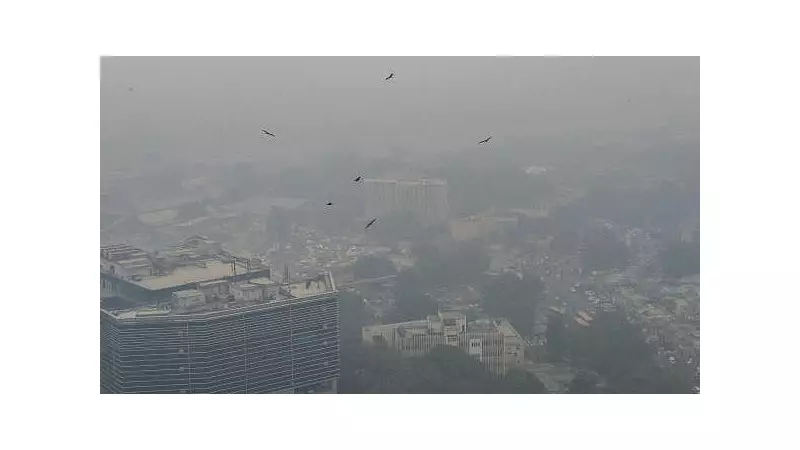
Heavy fog descended upon the national capital on Thursday morning, severely disrupting air travel and throwing flight schedules into disarray. Delhi's Indira Gandhi International (IGI) Airport witnessed massive delays, affecting thousands of passengers during the peak winter travel season.
Widespread Flight Disruptions and Passenger Woes
The blanket of dense fog, which drastically reduced visibility, led to significant operational challenges. According to data from the airport's flight information display systems, a staggering over 270 flights were delayed across all terminals. Additionally, at least 10 flights were cancelled as airlines struggled to cope with the adverse weather conditions.
The disruptions were not limited to departures. Numerous incoming flights were also held up, creating a cascading effect throughout the day. Passengers were seen crowded inside terminal buildings, anxiously waiting for updates on their rescheduled flights. Long queues formed at airline help desks as harried travelers sought information and alternative arrangements.

Operational Challenges and Low Visibility Procedures
The primary cause of the chaos was the severely low visibility, a common winter phenomenon in North India. Aviation operations are heavily dependent on visibility thresholds. When visibility falls below a certain minimum, airports are forced to implement Low Visibility Procedures (LVP).
Under LVP, the rate at which aircraft can take off and land slows down considerably for safety reasons. This leads to a backlog of flights waiting for clearance. Only aircraft and pilots certified for Category III (CAT-III) Instrument Landing System operations, which allow landing in very low visibility, can operate during such conditions. Flights without this capability face delays or cancellations.
The situation was compounded by the timing of the fog, which coincided with the morning rush of domestic and international flights. Airlines issued advisories, urging passengers to check their flight status before heading to the airport and to allow for extra travel time.
Broader Impact and Seasonal Preparedness
The flight delays at Delhi, a major aviation hub, had a ripple effect on air traffic across the country. Connecting flights from other cities were impacted, leading to network-wide disruptions. The incident highlights the vulnerability of India's aviation infrastructure to seasonal weather events.
While the India Meteorological Department (IMD) issues fog alerts, the scale of disruption on Thursday underscores the ongoing challenges in managing such predictable annual events. Passengers expressed frustration over communication gaps and the lack of timely assistance from some airlines.
As the winter season progresses, more such foggy days are expected. The aviation authorities and airlines are under scrutiny to demonstrate better preparedness, smoother communication protocols, and more efficient passenger handling to mitigate the inconvenience caused by these weather-induced disruptions.