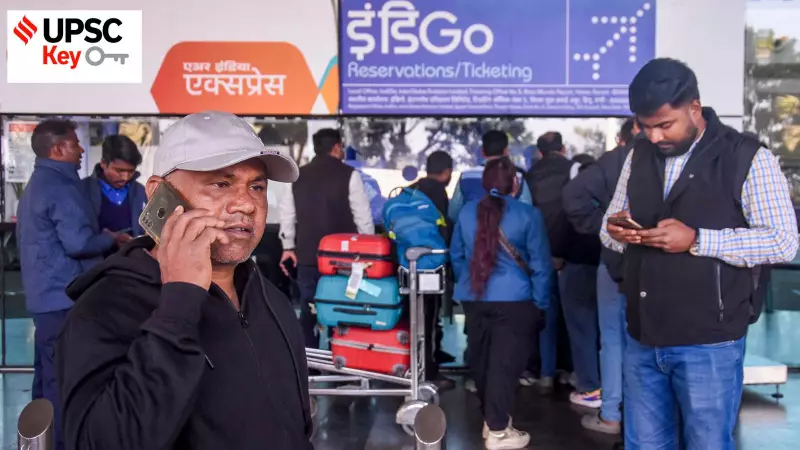
Travel plans for thousands were thrown into disarray on Friday, December 5, 2025, as India's largest airline, IndiGo, was forced to cancel over 400 flights due to a severe pilot-rostering crisis. The cascading effect led to scenes of desperation at the Indira Gandhi International Airport (IGIA) in New Delhi, with passengers scrambling for last-minute alternatives as airfares skyrocketed and trains showed impossible waiting lists.
Airport Halls Turn Into Waiting Rooms
The scale of the disruption was palpable across airport terminals. At Terminal 2, long, snaking queues formed at IndiGo enquiry counters as frustrated travellers sought information and solutions. Among them was a woman, who wished to remain anonymous, facing a domino effect of cancellations. She had initially planned to travel from Chandigarh to Mumbai via Indore, but after a reschedule to Delhi, that flight too was axed. Checking other airlines, she was shocked to find a one-way ticket to Mumbai priced at a staggering Rs 48,000.
In a poignant scene that captured the human toll of the logistical nightmare, a two-year-old girl was found sleeping squeezed into the handbag compartment of a luggage trolley. Her exhausted mother explained they were returning to Abu Dhabi after a month-long holiday visiting family in Bodh Gaya, Bihar. "We have been sitting here since morning… it is 5 pm now. We have decided to take a train back home now," she said, highlighting the extreme measures families were forced to take.
Corporate Trips Derailed, Costs Spiral
The crisis impacted leisure and business travellers alike. A corporate group of 80 employees travelling from Bengaluru to Azerbaijan found themselves stranded. Their managers, like Gautham Shetty, huddled in the airport foyer, scrambling to arrange logistics for the large team. Train tickets were unavailable for everyone, and booking hotels or considering a two-day bus journey back to Bengaluru were among the bleak options discussed. "We'll most probably stay back and wait for the replacement tickets from the airlines," Shetty stated, opting for a weary wait over an arduous road trip.
The sudden vacuum in capacity caused airfares from Delhi to popular destinations to shoot through the roof. With most flights fully booked for Friday, weekend travel saw jaw-dropping prices. Examples included an Air India flight to Goa for Rs 76,863, another to Chennai for Rs 60,715, and an Akasa Air flight to Bangalore for Rs 48,463. This price surge forced collective decisions, like the anonymous woman who teamed up with two other stranded passengers to hire a taxi to Mumbai for Rs 30,000, splitting the cost to Rs 10,000 per head—a bargain compared to the airfare.
A Glimmer of Respite Amidst the Chaos
As the evening of December 5 wore on, a slight relief emerged for some passengers. Competitor airline SpiceJet announced it would add 100 extra flights to its schedule. This intervention caused SpiceJet's fares to drop significantly, offering a much-needed alternative for those caught in the IndiGo crisis. However, for many already committed to long train journeys or expensive cab rides, the announcement came too late.
The day's events underscored the fragility of air travel logistics and the domino effect a single airline's operational failure can have on the entire network. It left passengers paying a heavy price, both financially and in terms of comfort, while raising serious questions about contingency planning and passenger rights during such large-scale disruptions.