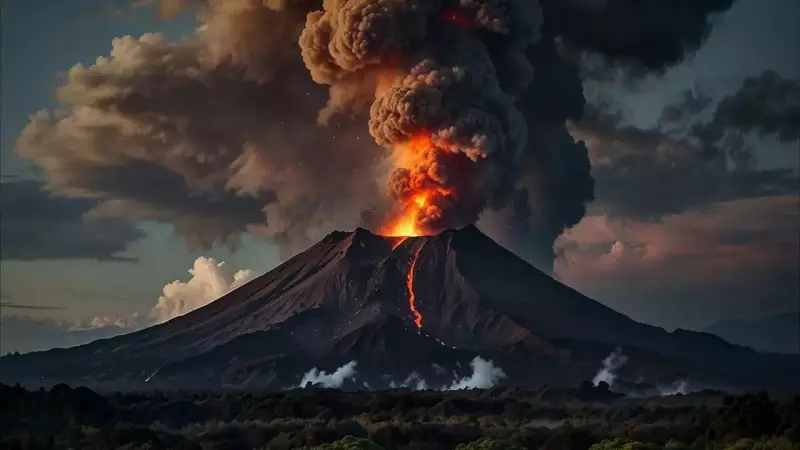
This summer, the planet's fiery giants have been making headlines, rumbling back to life across continents and offering a stark reminder of the immense power simmering beneath the Earth's crust. In Indonesia, Mount Lewotobi Laki Laki blanketed the island of Flores in ash, disrupting air travel and transforming landscapes. Soon after, Taiwan's Wandan mud volcano reawakened, bubbling through farmland. Meanwhile, Sicily's iconic Mount Etna sent its familiar plume skyward once more, glowing against the evening sky.
Why Volcano Hiking is the Ultimate Adventure
These geological events vividly illustrate our dynamic planet. Yet, they also spotlight the extraordinary, often accessible, environments created by such activity. For thrill-seeking travellers, hiking an active volcano represents one of the most direct ways to witness Earth's primal forces. With expert guides and proper safety protocols, this exhilarating experience is within reach for many. Here is a guide to some of the world's most remarkable active volcanoes that welcome climbers.
World's Most Accessible Active Volcanoes for Hikers
Mount Etna, Italy: Towering over Sicily, Europe's tallest active volcano offers a rewarding hike with lunar landscapes and breathtaking views of the Ionian Sea. Authorities monitor it closely, ensuring guided treks are safe. Routes vary from gentle walks to demanding full ascents, all leading through ancient craters and vast lava fields.

Cotopaxi, Ecuador: This 5,897-metre-high symmetrical giant in the Andes attracts altitude enthusiasts. Many hike to the José F. Ribas refuge at 4,800 metres. The summit climb requires crampons and ice axes for the glacier, typically starting at night to catch a surreal sunrise over the plains.
Pacaya, Guatemala: A beginner-friendly option just hours from Antigua. The short trail leads to rugged lava fields where heat still radiates, and it's a tradition to roast marshmallows on hot rocks. The round trip takes about three hours, offering steam vents and views of neighbouring peaks.
Eyjafjallajökull, Iceland: Famous for halting European air travel in 2010, this glacier-capped volcano presents a challenging full-day hike (7-8 hours). The summit rewards with views of Iceland's south coast, but glacier hazards make a guided trek essential.
Mount Vesuvius, Italy: Overlooking Naples and the ruins of Pompeii, this is one of the world's most visited active volcanoes. An hour-long hike to the crater rim yields unparalleled views of the archaeological sites and the Tyrrhenian Sea.
Arenal, Costa Rica: While the summit is restricted, the surrounding national park offers excellent trails through rainforests and over old lava flows. The volcano last erupted in 2010 and still emits occasional gas plumes.
Mount Fuji, Japan: Japan's 3,776-metre-tall cultural icon is climbed by thousands each summer (July to September) to witness the sacred sunrise (goraiko). The Yoshida Trail takes 5-8 hours to ascend, passing mountain huts along the way.
Mount Bromo, Indonesia: Set within East Java's vast Tengger caldera, Bromo offers a cinematic sunrise hike. Visitors often watch dawn from Mount Penanjakan before crossing a sea of sand to climb the crater stairs, with smoke frequently curling from the active vent.
A Reminder of Nature's Power and Beauty
These volcanoes are more than just adventure destinations; they are living monuments to Earth's geological history. Their accessibility allows ordinary people to confront extraordinary natural power safely. The recent global activity underscores the importance of heeding local guidance and monitoring. For those seeking an unforgettable journey to the edge of the Earth's creative fury, these peaks offer a legally and physically attainable challenge, blending raw natural spectacle with the thrill of exploration.