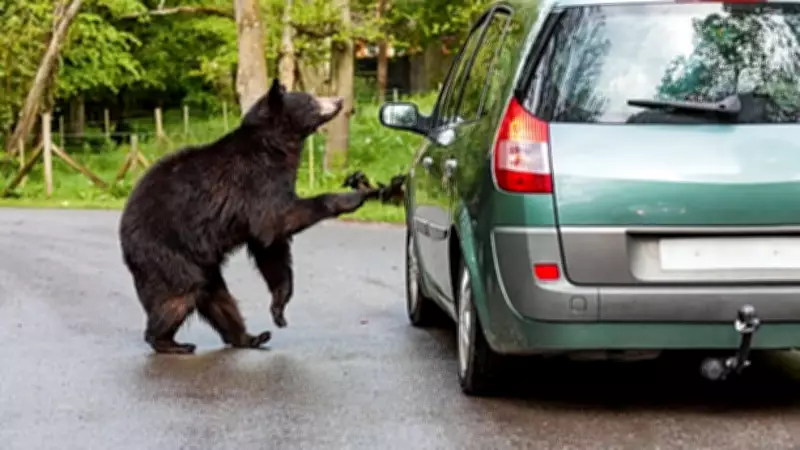
What to Do If You Encounter a Bear in the Wild: The Most Common Mistakes People Make
Meeting a bear in the wilderness can be one of the scariest experiences for hikers, campers, and travelers exploring forests or mountains. Bears typically do not want to attack humans, but an encounter can become threatening due to uncontrolled human reactions. Wildlife specialists emphasize that knowing how to avoid key mistakes can prevent dangerous outcomes. Here are six common errors and the recommended actions to take instead.
1. Turning and Running Away May Trigger a Chase
The most instinctive reaction is to run away as fast as possible. However, bears are extremely fast and may chase if they sense movement. Even if the bear appears calm initially, running can escalate the situation. The correct response is to remain calm and slowly back away without turning your back.
2. Yelling, Screaming, Waving, and Throwing Objects
Many people instinctively yell, scream, wave their arms, or throw things at a bear. This behavior can be appropriate only when you are far enough to scare the bear away. When close, such actions may be interpreted as a threat, provoking an attack. Stay quiet and avoid sudden movements.

3. Approaching to Take a Photo or Video
Wildlife tourism encourages people to capture images of bears, but getting closer for a selfie or video is extremely dangerous. Bears may appear calm from a distance, but they are wild predators. Never approach a bear for any reason.
4. Getting Between a Mother Bear and Her Cubs
Mother bears are fiercely protective of their cubs. Coming between a mother and her baby can trigger an instantaneous attack. If you see cubs, retreat quietly and avoid any movements that might alarm them.
5. Keeping Food Exposed at a Campsite
Improper food storage attracts bears from miles away, as they rely on their sense of smell to find easy meals. Many encounters occur when bears are not hunting but seeking accessible food. Always store food securely in bear-proof containers or hang it away from your campsite.
6. Ignoring Warning Signs from a Bear
Bears display warning behaviors such as huffing, growling, jaw popping, paw swipes, and bluff charges to protect themselves. Ignoring these signs and moving closer is a critical mistake. Respect these signals and slowly retreat.
Disclaimer
This article is for general informational and wildlife awareness purposes only. Bear behavior varies by species, habitat, season, and situation. Safety tips are based on commonly recommended guidelines but may not apply to every scenario. Always follow instructions from local wildlife authorities, forest departments, and trained professionals when in bear habitats. Never approach, feed, or attempt to interact with wild bears.