Flying from Ahmedabad is becoming a significantly more expensive affair, and the reasons extend beyond just rising airfares. Passengers departing from Gujarat's major hub are now grappling with one of the highest airport user charges in the nation, a burden that is becoming painfully evident as airlines reduce seat availability ahead of the busy travel season.
Ahmedabad's Airport Fee Among India's Highest
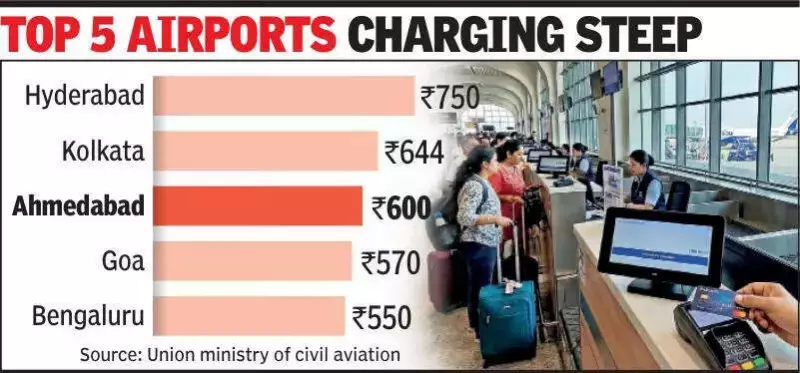
Recent parliamentary data reveals a stark reality for travellers from Ahmedabad. The Sardar Vallabhbhai Patel International (SVPI) Airport ranks third among metro airports for the User Development Fee (UDF) imposed on domestic departing passengers. Each ticket incurs a charge of Rs 600, placing it above Bengaluru's Kempegowda International Airport (Rs 550) and just below Hyderabad's Rajiv Gandhi International Airport (Rs 750).
This fee structure stands in sharp contrast to the country's busiest aviation hubs. Major airports in Delhi and Mumbai levy far lower charges—Rs 129 at Indira Gandhi International and Rs 175 at Chhatrapati Shivaji Maharaj International. This discrepancy gives airlines operating from those metros greater flexibility to offer more competitive base fares, an advantage Ahmedabad-based flyers largely miss.

Capacity Cuts Compound the Cost Crisis
The high UDF charge comes at a particularly sensitive time for the aviation market. IndiGo, the largest domestic carrier operating from Ahmedabad, has trimmed its overall capacity by approximately 10%. This reduction follows recent operational disruptions and regulatory directives from the Directorate General of Civil Aviation (DGCA).
Industry experts explain that this creates a double challenge for passengers. They now face a combination of fewer available seats and limited scope for fare relief. When airline capacity tightens, carriers have less room to absorb non-aeronautical costs like airport charges, inevitably passing them on to travellers through higher ticket prices.
Travel Industry Sounds the Alarm
On the ground, travel agents and industry representatives are witnessing the direct impact. Ankit Bajaj, an Ahmedabad-based travel agency owner, notes that airfares on key metro routes have already surged. Average one-way tickets during peak periods now range between Rs 4,000 and Rs 7,000.
"With IndiGo rationalising capacity, especially on high-demand routes, seat availability has tightened considerably," Bajaj said. "There is very little room for price correction, and a high UDF at airports like Ahmedabad only adds to the final amount paid by passengers."
Another industry player, Virendra Shah, highlighted how flight disruptions worsen the situation. "When flights are cancelled or rescheduled, passengers are forced to make alternate bookings at much higher prices," Shah explained. "While the DGCA has spoken about monitoring airfares, both business and leisure travellers are feeling the pinch directly."
Why Are Ahmedabad's Charges So High?
Industry analysis points to the capital recovery and infrastructure financing model adopted by several privatised or upgraded airports. The relatively high UDF at SVPI Airport reflects the costs associated with its development and modernisation. However, this financial burden becomes far more visible during peak demand phases when passengers have limited alternatives and airlines face reduced pressure to offer discounts.
With passenger volumes expected to rise and competition for seats intensifying, Ahmedabad's elevated UDF is increasingly emerging as a critical factor shaping final ticket prices. This charge impacts the cost base even before dynamic pricing algorithms and fuel surcharges are applied, setting a higher floor for what travellers must pay to fly from the city.