India's vast and varied landscapes, from dense jungles and alpine meadows to swampy floodplains, are home to an extraordinary array of wildlife. Among the most captivating are its deer species, which play a pivotal role in maintaining the health and balance of forest ecosystems. These graceful animals are not just beautiful to behold; they are vital for seed dispersal, shaping vegetation, and supporting the populations of major predators like tigers and leopards. The subcontinent's incredible habitat diversity is mirrored in the remarkable adaptations of its eight primary deer species.
Icons of the Indian Wilderness
The Chital, or spotted deer, is arguably the most recognizable deer in India. Its bright orange-brown coat, adorned with brilliant white spots that last a lifetime, is a classic sight. Highly social, Chital form large herds, sometimes exceeding 100 individuals, creating stunning visual spectacles in national parks. As a keystone prey species, their abundance is directly linked to the health of tiger, leopard, and dhole populations.
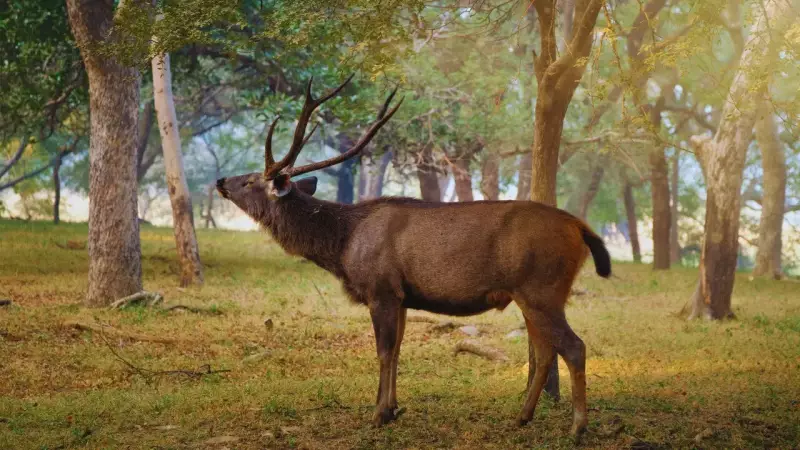
In contrast, the Sambar is India's largest deer, with imposing males weighing up to 300 kg. Distinguished by a dark-brown coat, a shaggy mane, and heavy antlers, the Sambar is a majestic presence. Its solitary or small-group lifestyle differs from the Chital's gregarious nature. The deep, booming alarm call of a Sambar is one of the most reliable signals that a tiger is on the move in the forest.

Conservation Champions and Habitat Specialists
Some deer species tell powerful stories of survival against the odds. The Barasingha, or swamp deer, famed for the many tines on a male's antlers, is a prime example. Adapted to swampy grasslands, it faced near extinction in the 1960s due to severe habitat loss. Today, dedicated conservation efforts, particularly in Madhya Pradesh's Kanha National Park, have stabilized its numbers. The hard-ground Barasingha subspecies found in Kanha exists nowhere else on Earth.
Another specialist is the diminutive Hog deer, built for life in tall grasslands. It relies heavily on seasonal floodplains, habitats increasingly threatened by human activity. Though shy, it is crucial for grassland ecology and serves as important prey in the Terai region's food web.
Rare and Region-Specific Treasures
India is also home to deer species found nowhere else, each facing unique challenges. The Hangul, or Kashmir stag, is India's only true red deer, with magnificent chestnut fur and antlers. Once widespread, its population has dwindled to just a few hundred due to habitat loss and competition, making it one of the country's most endangered large mammals.
Even more unique is the Sangai, or Manipur brow-antlered deer. This extraordinary animal lives exclusively on the floating phumdis (vegetation masses) of Loktak Lake in Manipur, the world's only floating national park. Its delicate, dancing gait across these unstable mats is a remarkable adaptation. Brought back from the brink of extinction by community-led conservation, the Sangai symbolizes the success of protecting unique wetland ecosystems.
Rounding out the list are two smaller but ecologically significant species. The Indian Muntjac, or Barking deer, is a small, solitary creature known for its loud, dog-like alarm bark. Its diverse diet helps shape forest undergrowth and aid in regeneration. The elusive Himalayan musk deer, though not detailed in the original brief, is known for inhabiting the rugged high altitudes of the Himalayas.
Together, these eight deer species are much more than forest residents. They are indicators of ecological health, drivers of forest dynamics, and living symbols of India's breathtaking natural heritage. Their continued survival hinges on preserving the diverse and fragile habitats they so uniquely represent.