6 Stunning Global Monuments Built for Love: Stories Behind Architectural Marvels
Throughout human history, profound emotions have inspired remarkable architectural achievements that transcend mere functionality. Kings, nobles, artists, and devoted individuals have erected magnificent structures not primarily to showcase wealth or authority, but to immortalize deep personal sentiments—romantic devotion, profound grief, heartfelt admiration, or lasting remembrance. While India's Taj Mahal stands as the most renowned monument dedicated to love, it represents just one of numerous global structures where emotion is masterfully carved into stone. Across continents, incredible edifices narrate compelling tales of love, loyalty, loss, and admiration, as visionary architects and builders sought to preserve these emotions for eternity.
Taj Mahal, India: The Ultimate Symbol of Eternal Love
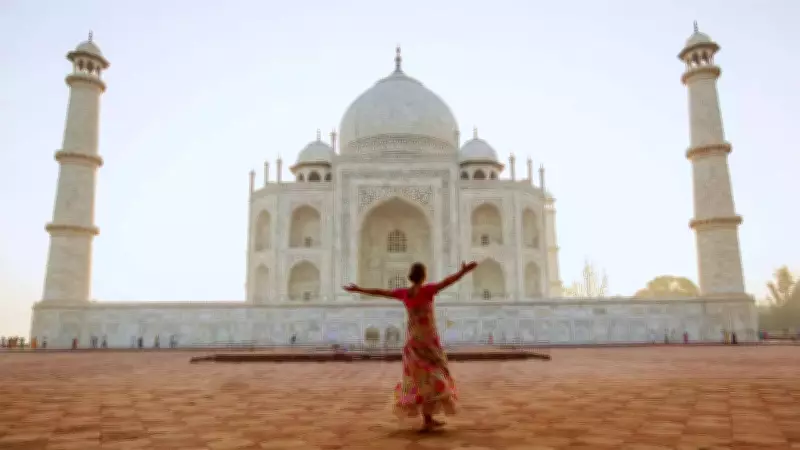
The Taj Mahal, constructed by Mughal Emperor Shah Jahan in memory of his cherished wife Mumtaz Mahal, is universally regarded as the most iconic architectural representation of love. This breathtaking monument's construction commenced in 1632, requiring over two decades of meticulous work before completion in 1653. Primarily built from luminous white marble, the structure brilliantly synthesizes Persian, Islamic, and Indian architectural traditions. Designated as a UNESCO World Heritage Site, the Taj Mahal draws millions of annual visitors, standing as perhaps humanity's most enduring testament to romantic devotion ever constructed.
Bibi Ka Maqbara, India: The "Mini Taj" Honoring Maternal Love
Bibi Ka Maqbara, located in Aurangabad, represents an exquisite example of Mughal architecture, often called the "Mini Taj" due to its striking resemblance to its more famous counterpart. Erected during the 17th century by Prince Azam Shah, this structure serves as a memorial for his mother Dilras Banu Begum, wife of Mughal Emperor Aurangzeb. Despite its comparatively smaller scale, the monument embodies classic Mughal architectural characteristics through its symmetrical gardens, elegant domes, and four slender minarets. The central structure houses Dilras Banu Begum's mausoleum, making it a rare architectural tribute constructed by a son for his mother.

Boldt Castle, United States: Romance Interrupted by Tragedy
In the picturesque Thousand Islands region of New York, Boldt Castle's story represents romance tragically cut short. Commissioned in 1900 by wealthy hotel magnate George C. Boldt as an extravagant gift for his beloved wife Louise, this castle was envisioned as a six-story mansion featuring luxurious rooms and gardens symbolizing their eternal bond. Construction halted abruptly following Louise's premature death before the castle's completion. Overwhelmed by grief, George Boldt immediately stopped all work and never returned to the island. The castle remained unfinished for decades, standing as a poignant symbol of love and loss until its eventual restoration, now serving as a popular tourist attraction.
Le Mur des Je T'aime, France: A Modern Celebration of Universal Love
Tucked within a small Parisian square in the world's most romantic city stands a contemporary monument dedicated entirely to love. This vibrant blue mural, known as the "Wall of Love," displays the phrase "I love you" in over 250 languages. Created by artists Frédéric Baron and Claire Kito, this installation celebrates love's universal nature. The wall has become a favorite destination for visiting couples, offering a space to exchange tokens of affection. Though modern in construction, this monument embodies the same fundamental impulse that inspired the Taj Mahal—expressing love's essence through enduring physical form.
Château de Chenonceau, France: The "Ladies' Castle" of Historical Romance
This magnificent castle spanning the Cher River in France's scenic Loire Valley stands among the nation's most distinctive landmarks. Often called the "Ladies' Castle" due to multiple women's significant roles in its history, the château is particularly associated with Diane de Poitiers, mistress of King Henry II, who transformed it into a beautiful residence. Following Henry II's death, Catherine de' Medici expanded and redesigned the castle, establishing it as a center of royal life and intrigue.

Scott Monument, Scotland: A Tribute to Literary Admiration
The Scott Monument in Edinburgh, Scotland, presents a splendid example of Gothic Revival architecture. Constructed to honor renowned Scottish writer Sir Walter Scott, this structure testifies to the profound esteem in which Scotland held him for his literary masterpieces. Completed in 1844, the monument rises over 200 feet high, crafted from dark sandstone and adorned with statues depicting characters from Scott's celebrated works. While not a tribute to romantic love specifically, it represents a different form of devotion—the love of a writer and the enduring regard for his cultural contributions.
These six monuments collectively demonstrate how love in its various forms—romantic, familial, platonic, and artistic—has inspired humanity's most magnificent architectural creations. From India's marble marvels to Europe's historic castles and modern murals, each structure preserves emotional narratives that continue resonating across centuries, reminding visitors that architecture can serve as the ultimate canvas for human emotion.