10 Birds with Hilariously Awkward Names and Where to Find Them
Birdwatching becomes significantly harder when you are trying not to laugh. The world of bird names is full of accidental comedy, especially when Victorian-era naturalists, regional slang, and unfortunate English word combinations collide. Some bird names sound rude, others sound like insults, and a few seem like they were invented by sleep-deprived ornithologists with a dangerous sense of humour. Here are 10 real birds with names that routinely make travellers, birders, and internet users do a double take.
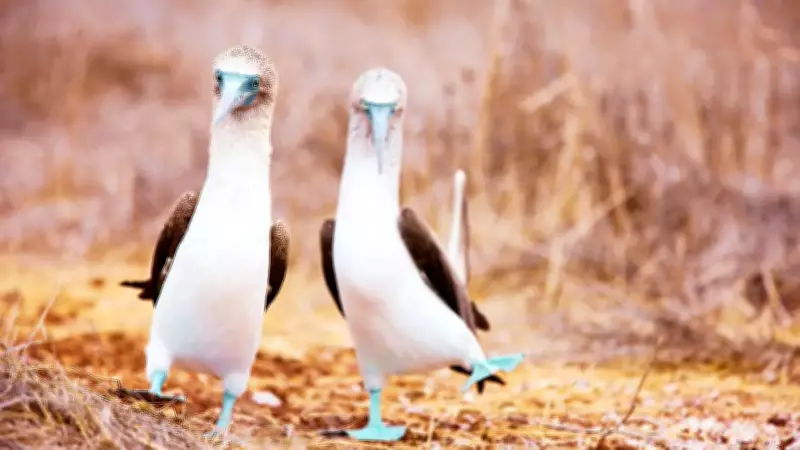
Blue-footed Booby
Where to find it: Ecuador's Galapagos Islands. The undisputed king of unintentionally hilarious bird names. Booby comes from the Spanish word bobo, meaning foolish or clownish, because sailors thought these birds looked comically awkward on land. Add the bright blue feet, exaggerated mating dances, and permanently confused expression, and the name becomes even harder to take seriously.
Great Tit
Where to find it: Across Europe and parts of Asia, including northern India. Birdwatchers have spent decades trying to say this name with a straight face. The Great Tit is actually a striking yellow-and-black songbird commonly seen in forests and gardens. Unfortunately, every conversation involving this bird immediately sounds fake. Yes, I saw a Great Tit near the trail this morning. No sentence survives.

Dickcissel
Where to find it: Grasslands of the central United States. This small North American bird got its name from the sharp dick-dick-ciss-ciss sound in its call. Which is scientifically reasonable. And catastrophically unfortunate.
Shag
Where to find it: Coastal Europe, New Zealand, and parts of the southern hemisphere. In bird terminology, a shag is a perfectly respectable seabird related to cormorants. In modern English slang? Well, birdwatchers in places like the United Kingdom routinely say things like Look at those shags on the rocks, completely unaware of the chaos they create around non-birders.
Horned Screamer
Where to find it: Wetlands of Brazil, Colombia, and surrounding regions. This sounds less like a bird and more like a banned heavy metal band. The horned screamer is a large, bizarre wetland bird with a spiky horn-like structure sticking out of its head and an alarm call that genuinely sounds unhinged. Not technically perverted, but deeply unsettling.
Tufted Titmouse
Where to find it: Eastern United States. This poor bird never had a chance. Titmouse comes from old English words where tit meant small and mouse referred to a tiny creature. Linguistically innocent. Socially disastrous. Every time someone says tufted titmouse, half the room mentally becomes twelve years old again.
Satin Bowerbird
Where to find it: Australia. This one earns its place because male satin bowerbirds are among the most outrageously flirtatious creatures on Earth. Males build elaborate decorative structures called bowers and obsessively collect blue objects, such as berries, flowers, bottle caps, feathers, and plastic, to impress females. It is less bird behaviour and more interior design seduction.
Woodcock
Where to find it: Europe, Asia, and parts of North America. The Eurasian Woodcock is a real bird. A respected bird, even. But unfortunately, it sounds exactly like the kind of fake name teenage boys invent while trying not to laugh in biology class.
Bush Tit
Where to find it: Western United States and parts of Canada. Tiny bird. Catastrophic name combination. Birding forums discussing bush tits often read like accidental comedy scripts written by people who no longer notice what they are saying.
Smew
Where to find it: Northern Europe and Asia during winters. The Smew itself is not perverted, but it sounds suspiciously made-up. It sounds less like a bird and more like a word someone blurts out after being hit in the stomach. It is a real diving duck, and one that is stunning to say the least. Birdwatchers genuinely get excited when they spot one.