Hollywood's Love Myth Debunked: Most Real-Life Romance Grows From Friendship
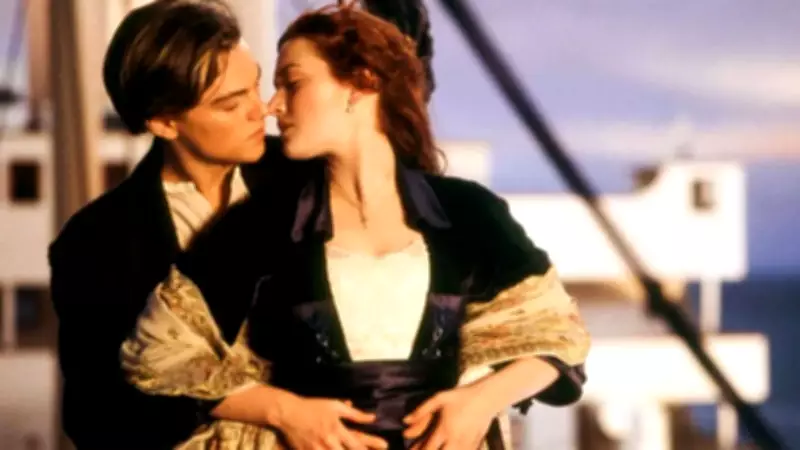
Movies and popular culture have long perpetuated a compelling but misleading narrative about romance. The classic scene where two attractive strangers lock eyes across a crowded room and experience instant fireworks has become a cultural staple. However, this idealized version of love at first sight proves to be far less common in reality than in cinematic fiction.
In actuality, romance typically unfolds according to much different principles. The person you share memes with late at night, grab coffee with during challenging days, or call spontaneously at 2 a.m. might represent your most promising pathway to lasting love. A groundbreaking study published in Social Psychological and Personality Science reveals that approximately two-thirds of romantic couples originally began their connection as friends.
Research Exposes Gap Between Popular Belief and Relationship Reality
This comprehensive investigation explored the significant disparity between widely held cultural beliefs about romance and actual relationship formation patterns. While films and contemporary dating culture frequently promote the concept of immediate attraction between strangers, empirical data demonstrates that the majority of meaningful relationships evolve gradually from established friendships.

Perhaps most importantly, previous academic research had largely overlooked the friends-first initiation pathway to romance. When examining a representative sample of existing studies about how relationships begin, the researchers discovered that nearly 75% focused exclusively on the initial spark of romance between strangers. Only 8% investigated how romantic connections develop organically among friends over extended periods.
"There are numerous individuals who would express considerable confidence in claiming we understand why and how people select partners, become couples, and fall in love," explained lead author Danu Anthony Stinson, a psychology professor at Canada's University of Victoria. "However, our research indicates this confidence may be misplaced. We might possess reasonable comprehension of how strangers become attracted to each other and commence dating, but that simply doesn't reflect how most genuine relationships actually originate."
Why Friendship Forms the Foundation for Lasting Romance
The research team conducted thorough analysis of data collected from nearly 1,900 university students and crowdsourced adults. Their findings revealed that approximately 66% of participants reported their current or most recent romantic relationship had initially begun as a platonic friendship. This pattern showed minimal variation across different genders, educational levels, or ethnic backgrounds.
However, the prevalence of friends-first relationship initiation proved even more pronounced among specific demographic groups. Within populations of twenty-somethings and LGBTQ+ communities, an impressive 85% of romantic couples reported having started their connection as friends.
Most participants in these friendship-first relationships emphasized they hadn't entered their friendships with romantic intentions or initial attraction. These platonic connections typically endured for substantial periods before gradually transforming into romantic partnerships. The interactions remained purely friendly during the friendship phase, with romantic feelings developing organically over time.
Notably, more than half of all study participants indicated that beginning as friends represented their preferred method for developing a romantic relationship, suggesting a cultural shift toward valuing emotional connection over immediate physical attraction.
"Our investigation suggests the boundaries between friendship and romance remain considerably blurred," Professor Stinson elaborated. "This realization compels us to fundamentally reconsider our assumptions about what constitutes both an excellent friendship and a successful romantic relationship. The traditional separation between these relationship categories appears less distinct than commonly believed."

This research challenges long-standing cultural narratives about romantic love, suggesting that the most enduring relationships often grow from the fertile soil of established friendship rather than the sudden spark of instant attraction between strangers.