Log Kya Kahenge: How Societal Pressure Shapes Indian Children
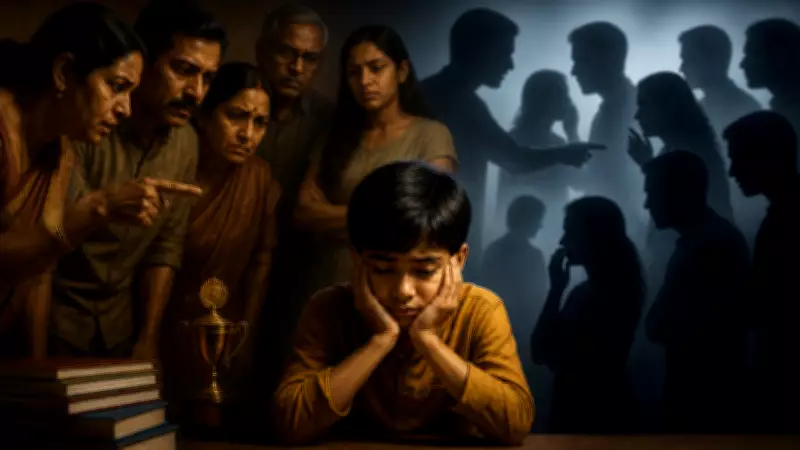
In many Indian homes, childhood is not just about growing up. A child gathers the courage to say something they have been holding in for days, a choice, a feeling, a small truth. Before the words can fully land, they are met with a quiet interruption: 'Log kya kahenge.' The sentence is not loud, but it is final. Something shifts. The child nods, adjusts, lets it go. In that moment, it is not just one thought being silenced, but a pattern being learned, that acceptance often matters more than authenticity. And over time, that quiet adjustment begins to shape who they believe they are allowed to become.
The Pressure Starts Early
For many children in India, pressure does not arrive dramatically. It seeps in through small, repeated moments. A child is told not to speak too loudly, not to laugh too freely, not to question elders, not to wear what they like, not to choose what they love if it looks unusual to others. A cousin's marks are compared. A neighbour's child is praised. A family friend's achievements are held up like a mirror. The message is rarely spoken in harsh words alone. It is embedded in tone, in silence, in the worried looks adults exchange when a child behaves 'out of line.' Slowly, children begin to learn that being themselves can be risky.
Approval Becomes the Goal
When children grow up under constant social scrutiny, they often stop asking, 'What do I want?' and start asking, 'What will make everyone happy?' That shift can shape the rest of their lives. Some become overachievers, driven not by curiosity but by the fear of embarrassment. Others become hesitant, afraid to try anything that might invite comment. A child who wants to dance may choose medicine instead. A child who wants to speak may learn to stay quiet. A child who needs support may hide their struggles because weakness is treated as shameful. The tragedy is that many of these children are not rebelling against family love. They are adapting to it.

Comparison Leaves Quiet Scars
Indian families often believe pressure builds discipline. And sometimes, in small doses, it may. But when comparison becomes the language of love, it leaves deeper marks. Children who are constantly measured against others may grow up feeling that they are never enough. Their achievements feel temporary. Their mistakes feel permanent. Confidence becomes fragile, tied to results rather than self-worth. Even praise can feel conditional, as though it will vanish the moment they fail. This kind of upbringing can create adults who look successful on the outside but remain deeply anxious inside. They may fear disappointing others more than losing their own peace.
The Hidden Cost of 'What Will People Say'
'Log kya kahenge' sounds like concern, but for children it often translates into surveillance. It teaches them that the family image matters more than emotional honesty. That appearances matter more than distress. That a child's job is not to be understood, but to be managed. The cost is high. Children may stop sharing problems with parents. They may hide friendships, interests, feelings, even mistakes. Some develop perfectionism. Some rebel later. Some simply carry guilt into adulthood, unsure who they are beneath all the expectations. And yet, many parents are not acting out of cruelty. They are passing on a fear they inherited themselves, the fear of judgment, of exclusion, of being seen as less than respectable. In that way, 'log kya kahenge' becomes a family inheritance.
What Children Need Instead
Children do not need a home that removes every boundary. They need one that leaves room for honesty, difference and growth. They need adults who can separate character from performance. They need to hear that being different is not a disgrace, that failure is not humiliation, that private pain does not have to become public shame. A child who is allowed to be imperfect grows up with a stronger sense of self. A child who is not constantly compared learns to trust their own pace. A child who is heard learns that love does not disappear when they speak the truth. That may be the real antidote to 'log kya kahenge.' Not defiance for its own sake, but a quieter, braver question: what will it do to a child if they are never allowed to become themselves?