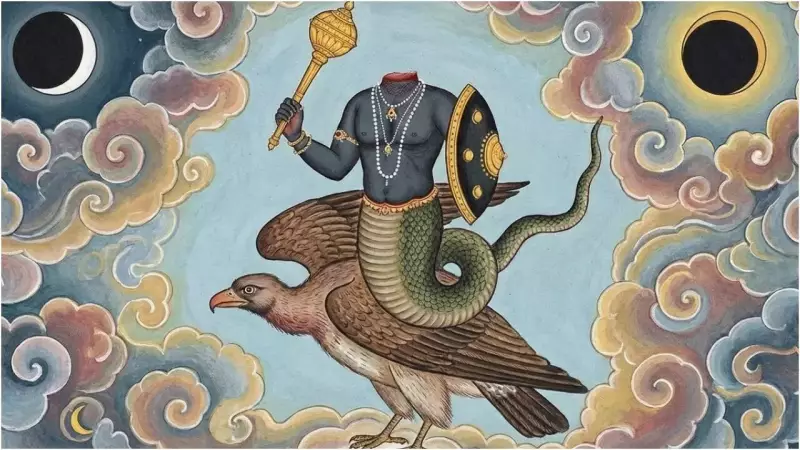
In the intricate tapestry of Vedic astrology, Ketu stands apart as a unique and powerful celestial force. Unlike planets that govern material success and social connections, Ketu operates on a deeply internal level. Its primary domain is the realm of detachment, solitude, and the pursuit of spiritual insight. This shadow planet, often misunderstood, is not about creating desire but about systematically dissolving it, guiding individuals toward a higher state of consciousness.
The Fundamental Nature of the Shadow Planet
Astrologers describe Ketu as one of the two shadow planets, representing the tail of the demon in ancient mythology. Its core symbolism is deeply karmic. Ketu is believed to carry the imprints of past-life karma and unfinished spiritual work. When its influence is strong in a person's natal chart or during its active planetary period (dasha), a significant shift in perspective often occurs.
People may experience a sudden and unexplained loss of interest in pursuits they once held dear. This can include ambitious career goals, long-term relationships, and the chase for materialistic pleasures. The drive that once fueled these endeavors seems to evaporate, not out of laziness, but from a profound internal reorientation. Ketu's energy works to suppress worldly desires, creating space for something less tangible but more meaningful.

Behavioral Withdrawal and Emotional Detachment
A major and often challenging manifestation of Ketu's influence is a tendency toward social and emotional withdrawal. Individuals under its strong sway frequently report feelings of alienation, loneliness, or a sense of isolation, even when physically present in a crowd or within their family. This separation is primarily psychological, creating an emotional distance from once-close bonds, friendships, and social networks.
Astrologers interpret this phase not as a malfunction but as a designed period for introspection. Ketu is thought to deliberately diminish attachment to worldly concerns and external validation. During this time, career achievements may seem hollow, accolades fail to bring joy, and material possessions lose their luster. This process, while difficult, is seen as a necessary karmic cleanse, intended to liberate the soul from its dependence on the outer world for a sense of self-worth.
A Catalyst for Profound Inner Transformation
The ultimate purpose of Ketu's challenging influence is not punishment but evolution. These periods of detachment and seeming loss are intended to impart crucial soul lessons. The core teachings revolve around surrender, acceptance, and the cultivation of inner strength that is independent of circumstances.
While the journey initiated by Ketu can be disconcerting at first, it often leads to significant spiritual breakthroughs. The silence and space created by withdrawal from external noise can become fertile ground for deep insights, esoteric knowledge, and genuine spiritual progress. Ketu acts as a vital counterbalance in our modern, hyper-connected society, reminding us that stepping back is sometimes the most powerful step forward. It guides the individual away from the illusions (Maya) of the material world and toward a deeper, more enduring truth within.
Thus, in the wisdom of Vedic astrology, Ketu is not a malefic force to be feared, but a rigorous spiritual teacher. Its transits and phases, though demanding, are designed to strip away the non-essential, forcing a confrontation with the self that ultimately paves the way for liberation and profound personal evolution.