The Unseen Habit That Undermines Children's Ability to Think for Themselves
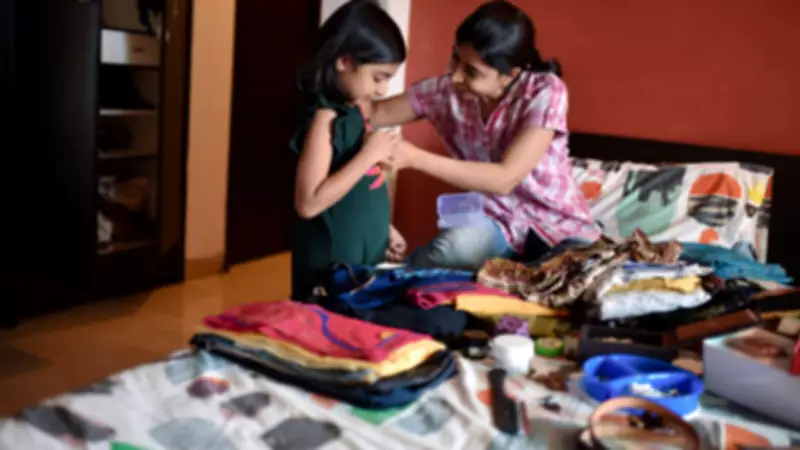
Many adults engage in a subtle yet pervasive habit without even realizing its long-term consequences. We consistently perform tasks for children because it seems more efficient in the moment. We button their shirts because they are too slow. We pack their school bags meticulously to ensure nothing is forgotten. We organize their bookshelves to eliminate messiness. We mediate their conflicts to restore peace quickly. We provide immediate answers rather than waiting patiently for them to think through problems themselves.
The Illusion of Efficiency and Its Hidden Cost
Everything appears to get accomplished faster, cleaner, and smoother through this approach. However, this surface-level efficiency comes at a profound hidden cost. Gradually, almost imperceptibly, children stop attempting to do things independently. This isn't because they are inherently lazy or unmotivated. Rather, they learn through repeated experience that someone will inevitably step in and handle things for them anyway.
The development of independent thinking doesn't magically begin when children reach adulthood and suddenly face significant decisions. This crucial capability originates in the smallest, most ordinary moments of daily life. When a child stands before their wardrobe and selects their own outfit. When they attempt to construct something that collapses, then gather the pieces to try again. When they forget a textbook and must creatively navigate their classroom situation. When they experience conflict with a peer and struggle to find the right words to mend the relationship.

The Adult Discomfort with Childhood Struggle
The core problem lies in our natural discomfort with witnessing children experience even minor difficulties. The moment we observe them encountering obstacles, our instinct is to intervene immediately. "Do it this way." "No, that approach is incorrect." "Just give it to me—I'll handle it." Through this pattern, children absorb a dangerous lesson without anyone explicitly stating it: someone else will consistently think for them.
Children who receive permission to attempt, fail, reflect, and try again develop fundamentally differently from those who receive constant step-by-step guidance. The distinction isn't primarily about intelligence levels. The critical difference lies in their confidence in their own cognitive abilities and problem-solving capacities.
The Ordinary Moments That Shape Extraordinary Capabilities
Selecting clothing, organizing backpacks, managing personal belongings, resolving minor disputes, making simple decisions—these activities appear completely normal and relatively unimportant on the surface. Yet these are precisely the experiences that gradually teach children how to navigate life's challenges. Not with perfection, but with growing independence and self-reliance.
These children will eventually mature into adults, and society will expect them to make decisions, solve complex problems, handle difficult situations, and manage their lives effectively. They only develop these capabilities by being allowed to think through challenges when the problems were still manageable in scale.
Sometimes, teaching children how to think doesn't involve instructing them what to think. It simply requires resisting the urge to think for them constantly.This approach represents a significant shift in perspective—from viewing childhood struggles as problems to be solved by adults to recognizing them as essential opportunities for cognitive development. By allowing children space to navigate minor difficulties, we're not being neglectful; we're providing the mental exercise necessary for developing robust thinking skills that will serve them throughout their lives.