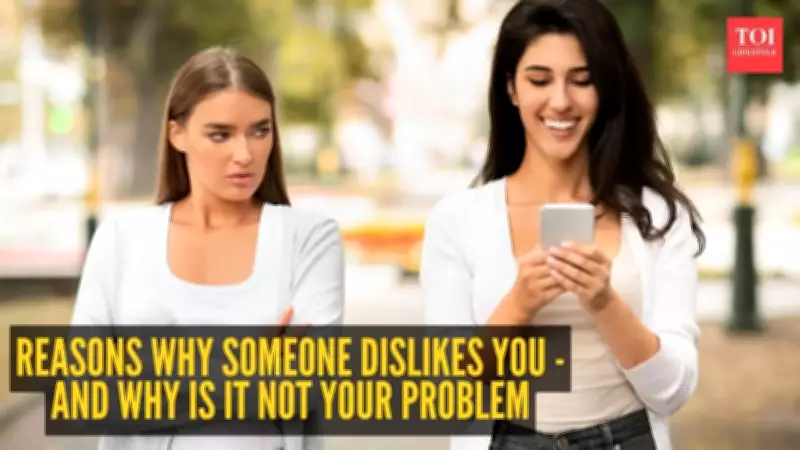
It is painful to be on the receiving end of coldness or criticism, especially when you have acted with integrity, kindness, or calm confidence. Yet understanding why someone dislikes you can be liberating: it shifts the focus from self-blame to clear observation. In many cases, their reaction reveals more about their inner world — insecurities, expectations, or past hurts — than it does about your value. Below are five common reasons someone might dislike you, each explained with practical perspective, and why their feelings are not your responsibility to fix.
1. You Remind Them of Their Insecurities
When your confidence, discipline, or independence is visible, it can act like a mirror for others' self-doubts. Instead of inspiring growth, that reflection may trigger shame or resentment because it highlights what they feel they lack. Their hostility often masks a fear of comparison: it is easier to put you down than to face uncomfortable gaps in themselves. Recognising this helps you detach emotionally — their reaction is a defence, not an evaluation of your worth. Respond with compassion when possible, but do not take on the work of repairing their self-image for them.
2. You Challenge Their Beliefs or Norms
People often feel threatened when someone holds different values, lifestyles, or opinions. Your mere existence as a counterexample can feel like a judgment to them. This is especially true in close-knit groups where conformity is expected. Their dislike may stem from a need to protect their worldview rather than any flaw in you. Stay true to yourself while respecting their right to disagree; you cannot control how others react to your authenticity.

3. You Remind Them of Someone They Dislike
Sometimes, a person projects feelings from a past relationship onto you. A certain gesture, tone of voice, or even your appearance may unconsciously trigger memories of someone who hurt them. Their negative reaction is not about you but about unresolved emotions from the past. While unfair, recognising this can help you avoid taking it personally. Gently setting boundaries can prevent you from becoming a stand-in for their old grievances.
4. You Are More Successful or Happy
Envy is a powerful and often hidden driver of dislike. If you achieve something they desire — a promotion, a happy relationship, or personal growth — it can stir feelings of inadequacy. Rather than celebrating your success, they may resent you for highlighting what they feel they lack. Understand that their bitterness is a reflection of their own unmet goals. Continue to pursue your path without guilt; your success is not a theft from anyone else.
5. They Misinterpret Your Intentions
Not everyone reads social cues the same way. Your reserved nature might be seen as arrogance, your directness as rudeness, or your humour as insensitivity. Misunderstandings can breed dislike, especially if the other person assumes negative intent. If the relationship matters, you can clarify your intentions, but you are not obligated to constantly explain yourself. Sometimes, the gap in perception is too wide to bridge, and that is okay.
Ultimately, being disliked by some people is an inevitable part of life. What matters is how you respond: with self-compassion, clear boundaries, and the wisdom to know that their feelings are theirs to manage. Your value is not diminished by someone else's inability to see it.