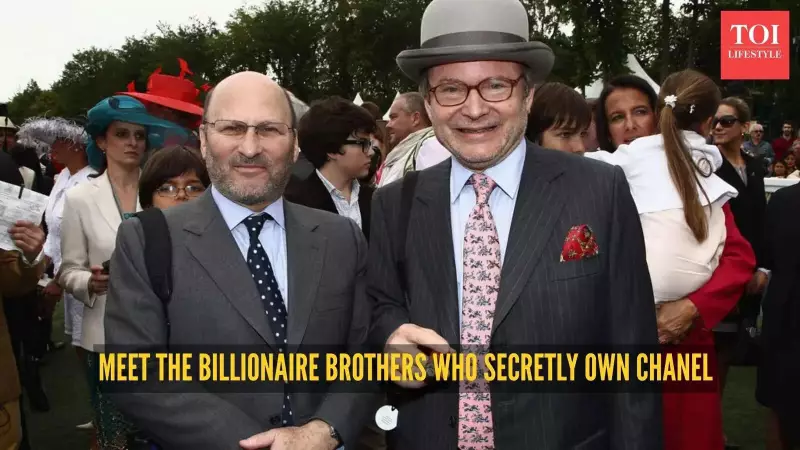
The iconic double-C logo of Chanel is recognized globally as a symbol of luxury, elegance, and timeless fashion. Yet, behind this multi-billion dollar empire lies a story not of a single visionary, but of a secretive family dynasty that has controlled its fortunes for nearly a century. The journey from a convent orphan to the world's second-most successful luxury brand is intertwined with ambition, legal battles, wartime scandal, and the discreet stewardship of the Wertheimer brothers.
From Humble Stitches to a Fragrance Deal
The foundation of the Chanel legend was laid by Gabrielle 'Coco' Chanel, an orphan who learned to sew in a convent. Through sheer hard work, skill, and ambition, she revolutionized women's fashion, moving away from corsets to comfortable, chic sportswear. Her first boutique opened in Deauville, France, in 1912. However, the brand's astronomical financial success was cemented not just by clothing, but by perfume.
In 1925, a fateful introduction at a racetrack in Deauville changed everything. Théophile Bader, co-founder of Galeries Lafayette, introduced Coco Chanel to brothers Pierre and Paul Wertheimer. The Wertheimers, whose family had invested in cosmetics firm Bourjois, possessed the crucial logistical power for mass production and global distribution. Together, they founded the Société des Parfums Chanel to produce and sell Chanel beauty products, most famously Chanel No. 5.

A Lopsided Partnership and Wartime Intrigue
The initial partnership terms would become a source of lasting conflict. The deal granted the Wertheimer brothers a 70% stake, Bader 20%, and Coco Chanel herself only a mere 10%. Feeling short-changed, Chanel launched a series of legal attacks in 1928, but to little avail. The conflict reached its peak during World War II.
As the Wertheimers, who are Jewish, fled to New York for safety, Chanel closed her couture house. To protect the business from Nazi seizure, the Wertheimers arranged for a French industrialist to hold temporary ownership. In a shocking twist, Coco Chanel, who was having an affair with a Nazi officer, attempted to use Nazi laws to reclaim full control of the company. Her efforts ultimately failed, and after the war, sole ownership was firmly secured by the Wertheimer family.
The Reclusive Billionaires Steering the Legacy
After Pierre Wertheimer bought out his brother's share and renegotiated terms, the company passed to his son, Jacques. Today, the empire is controlled by his grandsons: the intensely private Alain and Gérard Wertheimer. With a combined fortune estimated at $46.9 billion (approximately 115 billion euros), they rank among the top three wealthiest families in France.
Despite owning the $20 billion Chanel brand, the brothers are rarely seen. They prefer the horse racing tracks to front-row seats at fashion shows, where they typically sit inconspicuously in the third or fourth row. Their most significant business decision was appointing Karl Lagerfeld as Creative Director in 1983, a move that revitalized the brand for decades and solidified the interlocking-C logo's iconic status.
The story of Chanel is thus a dual legacy: one of a revolutionary fashion icon who started with nothing, and another of a shrewd business family that built generational wealth by mastering the logistics of luxury. The Wertheimers remain the discreet force ensuring that Coco Chanel's name continues to ring true, making her an unforgettable icon while their own names stay mysteriously in the shadows.