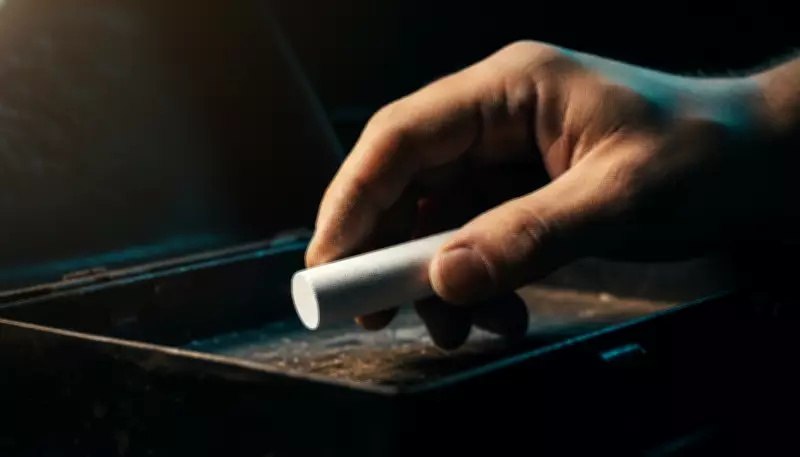
Blackboard Chalk: The Surprising DIY Secret to Prevent Toolbox Rust
In today's do-it-yourself era, maintaining a reliable toolbox is essential for home projects and repairs. However, rust remains a persistent threat to metal tools, silently causing damage regardless of their cost. While many homeowners turn to silica gel packets for protection, there exists a quieter, more affordable alternative that DIY enthusiasts increasingly recommend: ordinary blackboard chalk.
The Science Behind Chalk's Rust-Prevention Power
Blackboard chalk possesses natural porous properties that enable it to absorb moisture from the surrounding air. When placed inside a toolbox, chalk pieces draw in atmospheric humidity that would otherwise settle on metal surfaces and initiate corrosion. Scientific research reveals that natural chalk, primarily composed of calcium carbonate, exhibits porosity ranging from 30% to 70%. This means chalk functions not as a solid material but as a microscopic network of voids that trap water vapor before it reaches your tools.
Furthermore, studies published in Materials journal demonstrate that calcium carbonate maintains a slightly alkaline pH between 8 and 9. Since rust formation requires acidic conditions, chalk's chemical composition actively works against oxidation by absorbing moisture while creating an unfavorable environment for corrosion. Originally designed for writing on blackboards, chalk's physical structure makes it an unexpectedly effective temporary desiccant for tool protection.

Chalk Versus Silica Gel: Practical Comparison
Honestly evaluated, silica gel represents the more efficient moisture-absorption option. It captures more humidity, retains it longer, and can be regenerated through oven drying for repeated use. For expensive tools stored in garages experiencing significant seasonal humidity fluctuations, silica gel remains the superior choice.
However, chalk offers distinct advantages that make it appealing for many DIYers. Its primary benefit is accessibility—most households already possess chalk, or it can be easily purchased at minimal cost. For millennials building their first tool collections while managing budgets, this accessibility proves particularly valuable. While chalk cannot outperform silica gel in extreme conditions, it provides sufficient protection for tools kept in moderately dry indoor spaces like apartment storage closets or stable basements.
Maximizing Chalk's Effectiveness
Simply tossing a single chalk piece into your toolbox won't deliver optimal results. To properly utilize chalk for rust prevention:
- Place multiple chalk pieces in different toolbox locations to ensure comprehensive moisture coverage
- Position chalk near or in contact with metal tools for direct protection
- Always keep the toolbox lid closed when not in use
- Replace chalk every one to two months under normal indoor conditions, as it loses effectiveness once saturated
Understanding Chalk's Limitations
Despite its benefits, chalk has clear limitations in certain environments. It proves inadequate for extremely damp locations like perpetually wet garages, coastal climates, or areas with consistently high humidity. Unlike silica gel, chalk cannot be recharged once saturated and absorbs moisture less efficiently. For valuable tools stored in fluctuating temperature and humidity conditions, relying solely on chalk proves insufficient. In such scenarios, consider combining chalk with silica gel and regularly oiling metal surfaces while ensuring tools are completely dry before storage.
Why DIY Enthusiasts Embrace Chalk Solutions
Chalk's popularity within the DIY community stems from several appealing characteristics. It is completely non-toxic and environmentally safe, eliminating concerns about chemical exposure or ecological harm. For homeowners conscious about the products they introduce into their living spaces, this safety aspect matters significantly.
Additionally, chalk offers remarkable convenience—no online ordering required, no complex setup needed, and easy availability at local stores. For beginners establishing their first tool maintenance routines, chalk provides a low-effort starting point that delivers tangible benefits.

A Humble Yet Effective Rust Prevention Strategy
While chalk cannot replace comprehensive tool care practices, it serves as a valuable component in rust prevention for tools stored in stable indoor environments. To maximize effectiveness, incorporate chalk into a regular maintenance routine that includes inspecting tools for early rust signs, thorough cleaning, and complete drying before storage. This simple stick of chalk, typically associated with children's art projects, performs surprisingly robust moisture-control work when used strategically.