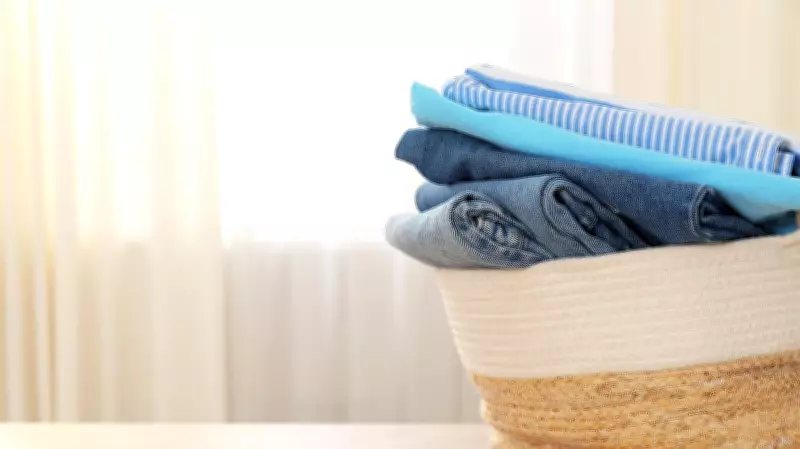
For generations, folding clothes has been considered a fundamental household chore, a symbol of order and discipline. But is it truly necessary? In an era where time is our most precious commodity, the ritual of meticulously folding every t-shirt and pair of socks might be an antiquated practice that deserves reconsideration.
The Case Against Folding
Proponents of folding argue that it saves space and keeps clothes wrinkle-free. However, the time invested in folding—often hours over a lifetime—could be redirected to more meaningful activities. Studies suggest that the average person spends nearly 10 minutes per day on laundry-related tasks, with folding accounting for a significant portion. Over a year, that adds up to over 60 hours, roughly equivalent to a week and a half of vacation time.
Wrinkle-Free Alternatives
Modern fabrics and laundry care products have reduced the need for careful folding. Wrinkle-resistant clothing, steamers, and strategic hanging can achieve similar results without the tedium. For instance, hanging shirts and dresses immediately after drying can prevent wrinkles, while rolling t-shirts and jeans saves space and reduces creases.

The Psychological Toll
Beyond time, folding can contribute to mental clutter. The pressure to maintain perfectly folded stacks can be stressful, especially for those with busy schedules or perfectionist tendencies. Letting go of this chore may reduce anxiety and promote a more relaxed living environment.
Embracing the Pile Method
Some minimalists advocate for the "pile method," where clothes are sorted into categories but not folded. Drawers are organized by type, and items are placed loosely. This approach cuts folding time by up to 80% and makes it easier to find and grab what you need. Critics argue it leads to messiness, but with proper drawer dividers, the system can be both efficient and tidy.
Cultural Perspectives
Interestingly, not all cultures prioritize folding. In Japan, the art of folding (origami) extends to clothing through the KonMari method, which emphasizes folding to maximize space and visibility. However, even Marie Kondo acknowledges that not every item needs to be folded; some can be hung or rolled. The key is finding what works for you.
A Personal Experiment
I decided to stop folding for a month. Initially, my drawers looked chaotic, but I quickly adapted. I saved about 30 minutes each week, which I used for reading and exercise. After a month, my clothes were no more wrinkled than before, and I felt less burdened by household chores. The experiment was a success, and I have not looked back.
When Folding Still Makes Sense
Of course, there are exceptions. Formal wear, delicate fabrics, and items like fitted sheets benefit from careful folding. But for everyday casual wear, the effort may not be justified. The goal is not to live in chaos but to prioritize tasks that truly add value to our lives.
Conclusion
Folding clothes is a habit, not a necessity. By questioning this routine, we can reclaim time and reduce stress. Whether you choose to hang, roll, or pile, the optimal method is the one that serves your lifestyle best. So, the next time you face a mountain of laundry, consider embracing a little chaos.