Right before heading out for a holiday, there is a nagging feeling: What to do with the food in your fridge? Leftover veggies, half-eaten meals, and expensive groceries all risk going bad while you are away. This is a modern problem of abundance. We often buy more than we use, cook more than we eat, and then scramble to save it before a trip. The result is wasted food and money, plus a guilt trip when you return with the feeling that you should have handled this better.
However, there is good news: your freezer can solve most of this if you use it smartly. Freezing is not just about storing leftovers. Done right, it is a strategy. It can preserve food safely for long periods, slow bacterial growth, and help you return to ready-to-eat meals instead of an empty kitchen. The trick lies in preparation: small, intentional steps you take before leaving home. These are not complicated hacks. They are simple, practical shifts that can save money, reduce stress, and make your return feel easier. Here is a list of practical freezer hacks you will wish you knew sooner. Try these before your next trip, and you will never leave home in a panic again.
Divide and Cool Food Before Freezing
Do not freeze big batches. Split meals into single servings first. They freeze faster, stay safer, and are much easier to grab later, so you do not have to thaw everything when you just want one portion. Moreover, it is tempting to toss hot leftovers straight into the freezer, but do not do it. Hot food heats up the freezer and can disrupt other stored items. Let food cool completely before freezing.

Blanch Veggies Before Freezing and Label Everything Thoroughly
Some vegetables do not freeze well unless you prep them. Briefly boil them, then cool them immediately; this preserves their color, texture, and nutrients, and kills bacteria. Another important tip: you will not remember what is what three weeks later. So, write down the dish name, the date, and the portion size clearly. This stops confusion and helps you use food before its quality declines.
Remove Air to Avoid Freezer Burn and Freeze Liquids Flat
Air leads to icy patches and weird textures. Use airtight containers or freezer bags, and push the air out as much as possible. If you have a vacuum sealer, use it. Furthermore, solids can be taken care of, but what about soups and sauces? Freeze them in bags laid flat. This saves space, helps them freeze faster, and they stack easily. Quick freezing also preserves texture.
Organize Your Freezer and Know What NOT to Freeze
A messy freezer wastes food and time. Before leaving, group similar items, keep commonly used things up front, and store sensitive items toward the back where the temperature is more stable. You will thank yourself later. Plus, some foods just do not survive freezing. Avoid lettuce, cucumbers, cream sauces, soft cheeses, and plain cooked pasta, as they become unappetizing after thawing. This saves you from disappointment.
The Coin in a Cup Trick and Fill Empty Space with Ice
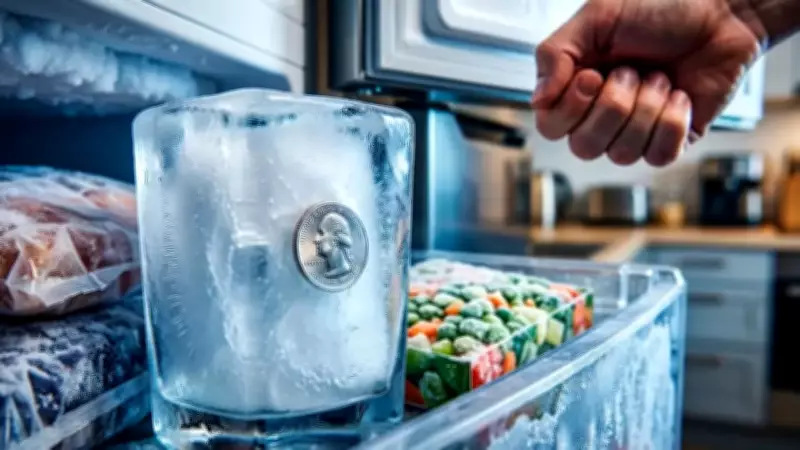
Want to know if your freezer lost power while you were gone? Freeze a cup of water, and place a coin on top. If you return and the coin is at the bottom, the food has thawed and refrozen. Check it carefully before eating. Finally, a packed freezer keeps everything colder. If there is room, freeze some water bottles, ice packs, or containers. This helps maintain temperature and keeps food safe longer if power goes out while you are away.