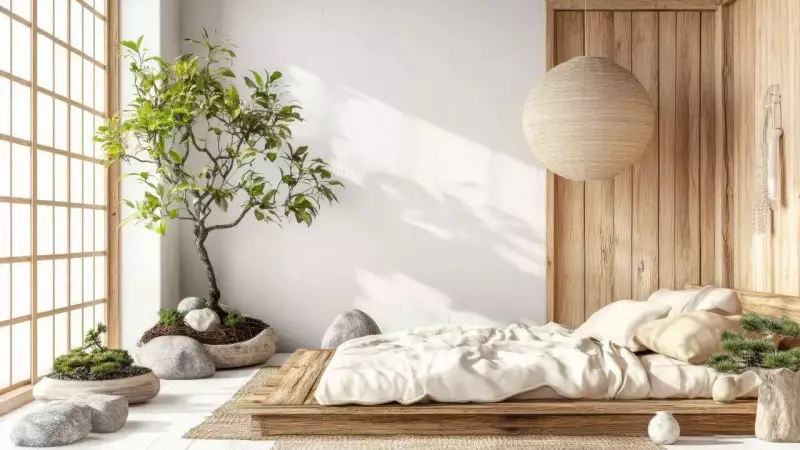
In today's fast-paced world, our attention is constantly pulled in different directions. From the relentless digital notifications on our phones to the physical clutter accumulating in our homes, this barrage of stimuli can leave us feeling scattered, fatigued, and unable to focus. There is a growing desire for environments that foster steadier thinking and a calmer pace of life. Answering this call is Kanso, a timeless principle from traditional Japanese aesthetics that champions clarity, balance, and thoughtful simplicity.
The Roots of Kanso: From Zen Philosophy to Modern Life
Kanso is not merely about having less; it is a refined and purposeful philosophy of simplicity. As one of the core principles of Japanese aesthetics, it focuses on stripping away the non-essential so that the true essence of a space or object can be fully appreciated. This idea is deeply connected to Zen philosophy, where external clarity is seen as a reflection of internal peace.
Historically, the influence of Kanso is visible in early Japanese architecture, tea ceremony rooms, and traditional interior design. These spaces avoided ornate decoration, instead highlighting natural materials, the play of light, and subtle textures. The goal was never to impress with abundance but to cultivate an appreciation for quiet, often overlooked details. Over centuries, this principle shaped disciplines like carpentry, garden design, and calligraphy, embedding a cultural preference for harmony over excess.

In a modern context, especially in bustling Indian cities, Kanso is less about stark minimalism and more about intentionality. It asks you to critically evaluate what items and elements in your environment truly serve a purpose and contribute to your wellbeing, and which ones merely create silent chaos.
Transforming Your Space and Mind with Kanso
Adopting a Kanso-inspired approach can fundamentally change your relationship with your surroundings. A considered environment acts as a silent partner in supporting your mental and emotional state. The benefits are multifaceted and practical.
Kanso creates a calmer visual field, reducing mental clutter and making it easier to sustain focus. By ensuring that the items you keep within reach have a genuine purpose, it enhances everyday functionality. This shift from visual chaos to balance and coherence naturally fosters a sense of emotional ease.
Furthermore, this philosophy encourages more thoughtful consumption. The focus moves from quantity to quality, durability, and meaningful ownership, which aligns perfectly with sustainable living goals. With fewer distractions competing for your attention, productivity and the ability to engage deeply with tasks improve. You also begin to notice and appreciate the inherent beauty in natural materials, thoughtful room layouts, and subtle textures that were previously lost in the noise.
Simple Steps to Bring Kanso into Your Daily Routine
Integrating Kanso does not require you to discard everything you own. It is about making deliberate, incremental choices that align with your practical needs and habits.
Start by identifying objects that regularly disrupt your flow or create visual noise, and consider their place in your home. Prioritise keeping some surfaces intentionally clear to create visual breathing room. Introduce smart storage solutions that keep essentials accessible but out of the way during focused work.
Choose decor with clean forms and subtle textures that complement a space rather than dominate it. Ensure that the main pathways in your home are unobstructed to allow movement to feel fluid. Maximise the use of natural light and arrange furniture to create a sense of openness.
Do not forget your digital space. Apply Kanso by limiting non-essential notifications, organising your desktop, and streamlining the apps on your phone. These steps collectively help build an environment where your attention can settle, and daily life feels less hectic.

Why Kanso is Perfect for Modern Indian Lifestyles
The relevance of Kanso today is undeniable. As remote work blends with home life and digital saturation increases, the need for personal spaces that support concentration and reduce stress is critical. Kanso provides a flexible framework to create such intentional and restorative environments without resorting to extreme, impersonal minimalism.
Its principles dovetail seamlessly with the growing awareness around sustainability. By promoting careful selection over mindless accumulation, Kanso supports a reduction in waste and a focus on longevity. This resonates with Indians seeking to live more consciously without sacrificing comfort or aesthetic appeal.
The influence of Kanso extends into professional and creative fields globally. Architects use its tenets to design buildings with clear lines and balanced proportions. In the digital realm, it inspires user interfaces that are intuitive and free of unnecessary visual stimulation. For anyone yearning for a calmer, more deliberate way of living amidst the chaos of modern life, Kanso offers a timeless and practical guide to shaping a harmonious world, both inside and out.