The Essential Role of Chapati in Indian Cuisine
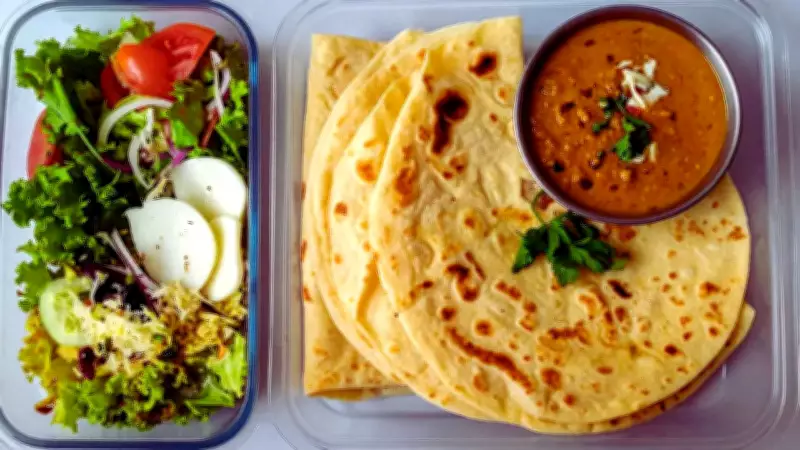
In countless Indian households, chapati holds a central place at every meal, whether paired with a robust sabzi, comforting dal, or even a tangy pickle. Typically crafted from atta, or whole wheat flour, chapati is celebrated for its nutritional benefits. Whole wheat is a powerhouse grain, rich in essential nutrients like fiber, vitamins, and minerals. By retaining the bran and germ, whole wheat flour supports digestion and helps maintain steady energy levels throughout the day. Consequently, chapati is often regarded as a healthier alternative to many other bread varieties, making it a staple in daily diets.
Mastering the Art of Chapati Making
Creating chapati is straightforward but requires a bit of practice to perfect. The process begins by mixing whole wheat flour with water and kneading it into a soft, pliable dough. After allowing the dough to rest, small portions are shaped into balls and rolled out into flat discs. These are then cooked on both sides on a hot tawa, or iron griddle, until they puff up slightly and develop a light char. This traditional method yields fresh, warm chapatis that are a delight to eat.
The Challenge of Chapati's Short Shelf Life
Despite its many virtues, chapati has one notable drawback: it doesn't stay soft for long. Made from fresh dough without any preservatives, chapati typically remains fresh at room temperature for about 24 hours. In dry conditions or if left uncovered, it can quickly become stiff, chewy, and unappetizing. This natural drying process poses a common dilemma for home cooks who want to enjoy leftover chapatis without compromising on texture.

The Ingenious Water-Brushing Technique
This is where a simple yet effective kitchen hack comes into play: brushing chapati with water before reheating. Many people lightly sprinkle or brush water on both sides of a chapati before warming it up. At first glance, this might seem unusual, but there's solid reasoning behind it. As chapati dries out, it loses moisture, becoming firm and brittle, akin to hard paper. Reheating it without moisture only exacerbates this issue, resulting in a less-than-pleasant eating experience. By adding water, you reintroduce moisture, which is key to reviving the chapati's softness.
Reheating Methods: Tawa, Microwave, and Flame
After applying water, there are several popular methods to reheat chapati effectively. The tawa method involves warming a griddle and placing the moistened chapati on it, heating both sides. To prevent sticking, ensure the tawa isn't too hot or lightly grease it with oil or ghee. The heat generates steam within the bread, softening it beautifully. Alternatively, you can microwave the brushed chapati for about a minute; the moisture helps avoid dryness or a rubbery texture. Some enthusiasts prefer the flame method, where the chapati is held directly over a flame after watering. This technique uses direct heat to quickly warm the chapati, causing it to puff up and soften, mimicking a freshly made roti.
Embracing Tradition and Reducing Waste
This practice is not just about convenience; it reflects a deeper cultural value in Indian households: minimizing waste and maximizing resources. Instead of discarding slightly dry chapatis, people employ these simple methods to rejuvenate them, allowing for continued enjoyment. The goal is straightforward: to savor chapati as intended—soft, warm, and delicious, just like it is fresh off the tawa. With a few drops of water and some heat, an older chapati can taste nearly as good as a new one, embodying a sustainable approach to food.
Practical Tips for Optimal Results
When using the water-brushing technique, moderation is crucial. Avoid applying too much water, as this can make the chapati soggy and unappealing. A light brushing on both sides is sufficient to restore moisture without overwhelming the bread. Whether you choose the tawa, microwave, or flame method, this hack ensures your chapatis remain a delightful part of every meal, reducing food waste and honoring culinary traditions.