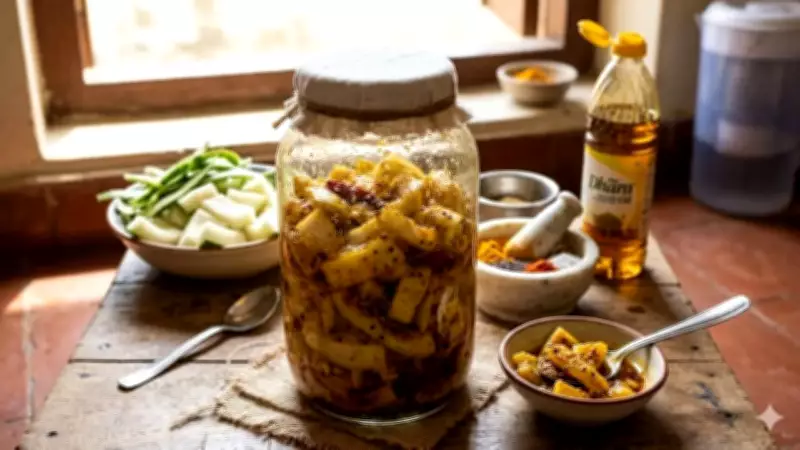
Revolutionize Your Kitchen: Turn Watermelon Peel into a Flavorful Pickle
Watermelon is a beloved summer fruit, but its thick peel often ends up in the trash. However, traditional culinary wisdom reveals a surprising secret: the white inner layer of the watermelon peel can be transformed into a delicious, tangy pickle. This innovative approach champions zero-waste cooking, repurposing food scraps that would otherwise be discarded into a useful and tasty condiment.
Embracing Zero-Waste Cooking with Watermelon Peel
In South Asia, pickling is a widespread food preservation technique deeply rooted in culinary customs. By utilizing watermelon peel, this practice not only reduces food waste but also aligns with sustainable living principles. The process involves simple ingredients and methods that have been passed down through generations, making it an accessible way to add a unique twist to your meals.
Essential Ingredients for Watermelon Peel Pickle
The key to this recipe lies in the white inner skin of the watermelon, which is separated from the outer green layer and the red flesh. The core components include:

- Salt
- Turmeric powder
- Red chilli powder
- Mustard powder
- Mustard oil
Additional spices can be incorporated based on personal preferences, such as fenugreek or asafoetida, to enhance the flavor profile. The white skin is chopped into small, uniform pieces and lightly dried to facilitate better spice absorption, ensuring a well-balanced taste.
Step-by-Step Guide to Making Watermelon Peel Pickle
- Remove the green outer layer of the watermelon peel and carefully separate the white rind.
- Wash the rind thoroughly and cut it into small, even-sized pieces for consistent texture.
- Spread the pieces under sunlight or air-dry them for a few hours to eliminate excess moisture.
- Add salt, turmeric powder, red chilli powder, and mustard powder to the dried rind.
- Mix thoroughly to ensure all pieces are evenly coated with the spice blend.
- Pour mustard oil over the mixture and combine well to integrate the flavors.
- Transfer the mixture into a clean, dry glass jar, ensuring it is tightly sealed.
- Place the jar in direct sunlight for 4–5 days to initiate the fermentation process.
- Shake or stir the jar once daily to promote even fermentation and flavor development.
The Science of Fermentation in Pickling
Pickling relies on natural fermentation, where salt and environmental factors collaborate to create a sour taste and preserve the food. During this stage, the watermelon peel softens while retaining a pleasant crispiness. The appearance of bubbles within the jar indicates active fermentation, a sign that beneficial microbes are at work. Fermented pickles develop complex flavors that can be adjusted by varying the fermentation duration to achieve the desired level of sourness.
Storage and Serving Suggestions
Once the pickle reaches the preferred taste, store it in a cool place or refrigerate to halt further fermentation. This condiment pairs excellently with meals, serving as a zesty accompaniment to rice, bread, or as a dip for snacks. Using airtight containers is crucial to prevent spoilage and extend shelf life, allowing you to enjoy this homemade delight for weeks.
This recipe exemplifies how leftover food parts can be creatively utilized to produce preserved foods, promoting sustainability and culinary innovation in everyday cooking.