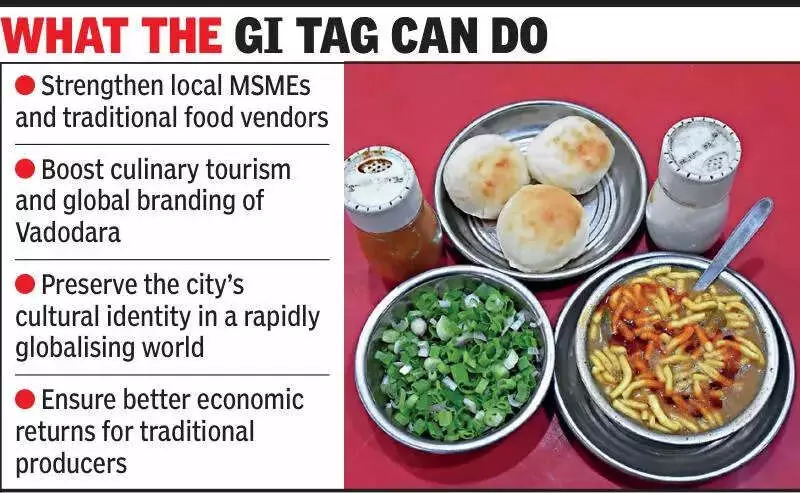
A compelling argument has been made to officially recognize and protect two of Vadodara's most beloved street foods as heritage assets of the city. A research paper presented at a prestigious international conference has called for Geographical Indication (GI) recognition for lilo chevdo and sev usal, asserting they are integral to the city's cultural identity.
The Case for Culinary Heritage
The paper titled "Vadodara's Potential as Custodian of Cultural Heritage through Geographical Indications: Preserving Tradition in a Globalized World" was presented by Umang Modi, an assistant professor at MSU's Faculty of Law. He showcased his findings at the International Conference on the Role of IPR in Promoting Indigenous Knowledge System and Viksit Bharat, hosted by IIT Bombay. The study garnered strong backing from experts in intellectual property and food innovation present at the event.
A GI tag provides legal protection to products whose unique qualities are intrinsically linked to their specific geographical origin. This recognition not only enhances brand value and boosts local tourism but also acts as a shield against imitation, safeguarding traditional knowledge for future generations.

What Makes Vadodara's Snacks Unique?
The research meticulously details why these two snacks are worthy candidates for GI status. Lilo chevdo, a mildly spiced potato mixture rich with fresh coriander, is celebrated for its distinctive preparation method and the deep emotional connection it fosters among Barodians. The paper highlights that it is notably different from the spicier chevdo varieties found elsewhere in Gujarat, cementing its status as a unique cultural symbol of Vadodara.
Similarly, sev usal – a hearty ragda curry generously topped with crunchy sev, chutneys, and spices – transcends its identity as a mere street snack. It forms a core flavour identity that defines the bustling food zones across the city, from Mandvi to Fatehgunj. While similar dishes exist in other regions, the Barodian version is distinguished by generations of craftsmanship and authentic, time-honoured recipes.
Modi emphasizes that Vadodara's culinary heritage is as significant as its renowned art, culture, and royal history, and therefore deserves formal acknowledgment. "As India celebrates its diverse culinary footprint, Vadodara must not remain a spectator," the paper states, adding that these snacks are "heritage assets whose flavours tell the story of who we are."
The Current GI Landscape in Gujarat
The paper sheds light on a surprising gap in Gujarat's culinary recognition. Professor Modi pointed out that not a single food product from Gujarat has received a GI tag so far. Across India, 605 products have been granted GI status, including 45 food items like Bikaneri Bhujia, Bangar Laddu, and West Bengal's Sitabhog and Banglar Rasogolla.
He clarified that while Vadodara's bhakarvadi is immensely popular, it originated in Pune. In contrast, lilo chevdo and sev usal have their roots firmly planted in Vadodara. He also revealed an interesting precedent: In 2020, a private manufacturer attempted to secure a GI tag for lilo chevdo but later withdrew the application.
Currently, Sankheda furniture is the only product from the Vadodara region that has received GI recognition. The push for GI tags for these iconic snacks represents a concerted effort to document, preserve, and promote the city's unique gastronomic legacy on a national and global stage, ensuring these flavours are protected for generations to come.