

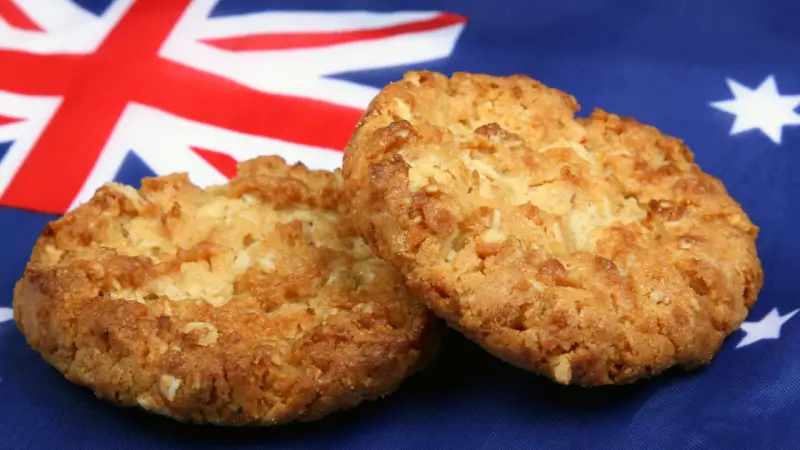
Australia's culinary landscape is not defined by fine dining or intricate presentation. Instead, it is forged by vast distances, a challenging climate, waves of migration, and a fundamentally practical approach to eating. The food that has become iconic is designed to travel well, withstand heat, feed large groups, and offer comfort rather than complexity. This practicality has evolved into a distinct food identity, weaving together narratives of colonial history, Indigenous wisdom, post-war immigration, and contemporary multiculturalism. Here are ten foods that are inseparable from Australian daily life and culture.
From the Bakery to the Barbie: Everyday Staples
At the heart of Australian food culture are humble dishes found at sporting events, community gatherings, and family tables. The Meat Pie stands as perhaps the most universally recognised symbol. Consumed at football matches, petrol stations, and school fundraisers, its simple construction of a shortcrust base and minced meat gravy carries immense emotional weight. It represents comfort and national ritual, always served with a mandatory topping of tomato sauce.
Similarly, the barbecue sausage, or 'snag', is the cornerstone of democratic dining. Found in backyards, public parks, and fundraising stalls, it involves a humble sausage grilled and served in a slice of white bread with onions and sauce. It's less about culinary skill and more about the act of coming together.

No list is complete without Vegemite. This dark, salty spread is a cultural litmus test. While it divides international palates, it unites Australians. Spread thinly on buttered toast, its adoption from a wartime nutrition solution to a national icon is a story of belonging forged in taste.
Sweet Treats and Celebratory Bites
Australian sweets are built for sharing and nostalgia. The Lamington is a national treasure—a square of sponge cake coated in chocolate icing and desiccated coconut. A staple of bake sales and afternoon teas, its dependable simplicity is its enduring strength.
For celebrations, two dishes reign supreme. Pavlova, the subject of a friendly trans-Tasman rivalry, is a centrepiece at Christmas and summer gatherings. Its crisp meringue shell and soft, marshmallow-like interior, topped with cream and fresh fruit, is designed for warm weather and shared tables.
Then there's Fairy Bread, the ultimate childhood party food. Its formula is unchanging and perfect: white bread, butter, and hundreds and thousands (rainbow sprinkles). Its charm lies in its steadfast refusal to grow up, existing purely as a vessel for joy and nostalgia.
Modern Plates and Evolving Palates
Australia's food scene has been profoundly shaped by migration, leading to dishes that have been wholly adopted and localised. The Chicken Parmigiana (or Parma), brought by Italian migrants, is now pub royalty nationwide. This breaded chicken schnitzel topped with tomato sauce, melted cheese, and often ham, served with chips and salad, is the definition of a hearty pub meal.
Coastal life is epitomised by Fish and Chips. Bought from takeaway shops and eaten by the sea, often after a swim, it's a ritual wrapped in paper. The experience—salty, eaten with fingers, accompanied by the sound of waves—is as important as the type of fish.
Reflecting modern café culture, Avocado Toast has evolved from a subject of international mockery to a symbol of Australia's relaxed, quality-focused approach. Cafés have turned smashed avocado on artisanal sourdough into a canvas for seasonal produce, representing a distinct, contemporary food ethos.
Finally, Kangaroo Meat signifies an evolving conversation. Lean and gamey, it was long utilised by Indigenous communities but absent from mainstream plates. Its growing presence in restaurants and supermarkets mirrors a broader, slow shift towards recognising sustainable native ingredients and Indigenous food knowledge systems.
Together, these ten foods paint a picture of a nation where food is less about ostentation and more about connection, history, and a uniquely Australian sense of place. They are iconic not for their complexity, but for their deep integration into the fabric of everyday life.






