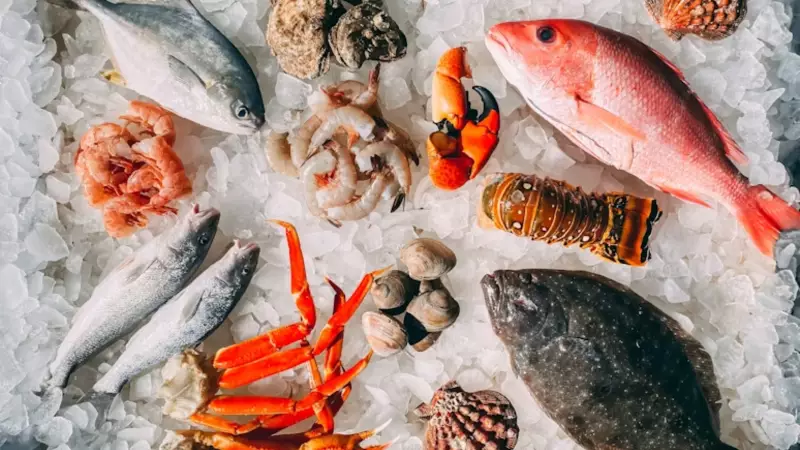
Seafood is a beloved part of many Indian diets, offering rich sources of protein and essential nutrients. However, improper handling, storage, or cooking can turn this delicious food into a source of serious illness. From selecting the right catch at the market to storing leftovers correctly, following safety protocols is non-negotiable for your health.
Critical Steps for Selecting and Buying Fresh Seafood
The journey to a safe seafood meal begins at the point of purchase. Whether you're at a local fish market or a supermarket, your vigilance here sets the foundation. Always check for clear, bright eyes and shiny, metallic skin in whole fish. The flesh should be firm to the touch and spring back when pressed. A major red flag is a strong, pungent "fishy" smell; fresh seafood should have a mild, clean aroma reminiscent of the sea.
For shellfish like clams, mussels, and oysters, ensure they are purchased alive. Their shells must be tightly closed or should close promptly when tapped. Avoid any with cracked or broken shells. When buying pre-cut fillets or steaks, look for moist, translucent flesh without any discoloration, drying, or darkening around the edges. It is advisable to buy from reputable, hygienic vendors who have a high turnover, ensuring the product hasn't been sitting for long.

Safe Handling, Storage, and Cooking Practices
Once you bring seafood home, time is of the essence. Refrigerate it immediately at or below 4°C (40°F). Do not leave it at room temperature. Place it in a sealed container on the bottom shelf of your refrigerator to prevent its juices from dripping onto other foods. Ideally, cook fresh fish within one to two days. For longer storage, freezing is key. Wrap the seafood tightly in moisture-proof packaging to prevent freezer burn.
Thawing is a critical stage where bacteria can multiply. The safest method is to thaw frozen seafood in the refrigerator overnight. If you're in a hurry, use the defrost setting on your microwave or place the sealed package in a bowl of cold water, changing the water every 30 minutes. Never thaw seafood at room temperature on the kitchen counter.
Cooking is your final and most important defense. Most seafood should be cooked to an internal temperature of 63°C (145°F). A good visual cue is that fish should be opaque throughout and flake easily with a fork. For shellfish like prawns, lobster, and scallops, cook until the flesh becomes pearly and opaque. Clams, mussels, and oysters are done when their shells open during cooking; discard any that remain closed.
Special Considerations for High-Risk Groups and Leftovers
Certain individuals need to exercise extra caution. Pregnant women, young children, the elderly, and those with compromised immune systems should avoid raw or undercooked seafood like sushi, sashimi, or oysters. They should also steer clear of high-mercury fish such as shark, swordfish, king mackerel, and tilefish, opting instead for safer choices like salmon, shrimp, or sardines.
Properly handling leftovers is crucial to prevent foodborne illness. Cool cooked seafood rapidly and refrigerate it within two hours of cooking. Consume leftovers within three to four days. When reheating, ensure the dish is piping hot all the way through. Be mindful of cross-contamination: always use separate cutting boards and utensils for raw seafood and ready-to-eat foods, and wash your hands, tools, and surfaces thoroughly with hot, soapy water after handling raw seafood.
By integrating these practices into your routine, you can significantly reduce the risk of food poisoning and enjoy the vast culinary and nutritional benefits of seafood with complete peace of mind. Safe consumption empowers you to savor every bite without worry.