Simple Rubber Band Hack Saves Time and Paint in DIY Projects
Starting a room painting project often begins with excitement but can quickly turn into a messy ordeal, with spilled paint on floors and crusty residue around can rims. The cleanup process frequently takes longer than the painting itself, draining enthusiasm and time. However, a clever and straightforward technique has been circulating in the DIY community for over two decades, offering a solution that requires no expensive equipment to keep your workspace clean.
The Easy Rubber Band Technique
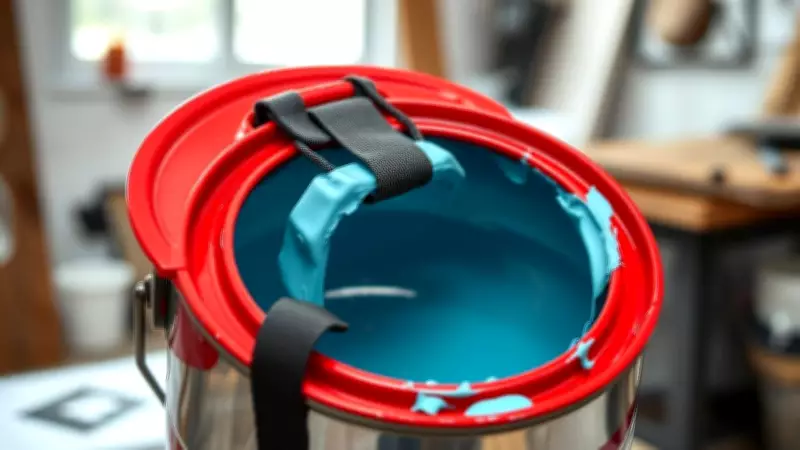
As the name implies, this method is incredibly simple. Place a large rubber band vertically around the paint can, stretching it tightly across the open top to create a secure connection through the center of the opening. Instead of wiping your brush against the metal edge of the can, where paint tends to accumulate and drip down the sides due to sealing grooves, rub the brush against the rubber band. This allows excess paint to fall directly back into the pot, minimizing waste and mess.
Physics Behind the Lasting Effect
Unlike many short-lived household tips, the rubber band hack endures because of principles from coating preservation chemistry. Merely cleaning the rim of a paint container is insufficient; protecting the paint itself is crucial. Research, such as the paper Storage Stability in Paints and Coatings by SpecialChem, links this hack to maintaining the long-term integrity of paint cans. Standards from the American Coatings Association support this, noting in reports like the Coatings Clinic: Solvent Properties that solvent volatility is key to preserving proper paint viscosity. Paint buildup near the rim can break the hermetic seal, allowing volatile solvents to evaporate and thicken the paint or form a skin. The rubber band effectively wipes the edge, helping maintain a tight seal throughout storage.

Materials Science: Why Rubber and Silicone Matter
It is important to recognize that not all rubber bands are chemically suitable for every type of paint. Standard office rubber bands work well with water-based paints, but for solvent-heavy or oil-based varieties, different materials are needed. Scientific guidelines, like ASTM D3924 in the Standard Specification for Standard Environment for Conditioning and Testing Paint, Varnish, Lacquer, and Related Materials, emphasize strict control of the chemical environment inside storage containers. For heavy-duty applications with oil-based paints or thinners, experts recommend using silicone bands. As a synthetic elastomer, silicone resists harsh chemicals and volatile organic compounds common in industrial paint formulas. While natural rubber may degrade under certain solvents, silicone maintains its performance, ensuring consistent edge wiping throughout a painting session. This technique, adaptable with silicone bands for solvent-heavy paints, preserves viscosity and prevents dried flakes from contaminating fresh paint, leading to cleaner application and more durable finishes.
Avoiding Contamination and Secondary Products
Beyond protection, using silicone bands enhances outcome quality by reducing chemical contamination risks. Research, such as the study Comparison of the fading and surface deterioration of red lake pigments in six paintings by Vincent van Gogh with artificially aged paint reconstructions, shows that paint degradation into "secondary products" occurs under varying environmental conditions. In DIY terms, paint that dries and forms a crust around a can edge exemplifies this deterioration. Scraping a brush along these edges can dislodge flakes into new paint, which, when applied to walls, causes brittleness and bumps in the paint film. The rubber band acts as a barrier, preventing aged paint from entering the can, thus maintaining the paint's original chemical composition for better application and resistance to degradation.

A Faster, Eco-Friendly Alternative
In home DIY projects, it is tempting to rely on gadgets like plastic pouring spouts or paint trays. While these have some benefits, they often require extensive cleanup with water or solvents. In contrast, a rubber band can be easily wiped off or discarded, making it a more sustainable and efficient option. This technique demonstrates that simple concepts can be powerful, leveraging everyday objects and basic knowledge of airtight sealing to protect floors, conserve paint, and eliminate tedious cleanup. Whether you are an experienced painter or a novice, incorporating this small step into your process can make a significant difference in ease and results.