Unlocking the Secrets of Pune's 'Special' Food Culture
How often have you spotted the word 'Special' next to a beloved dish on a menu and pondered what sets it apart—and whether it justifies the extra cost? Let's delve into the meaning behind this ubiquitous prefix. In Pune, 'special' transcends mere menu labeling; it serves as a promise. Whether scrawled on snack stall boards or elegantly printed in restaurants, it signifies something additional, something familiar, or simply something crafted with meticulous care. When vendors are asked what elevates their food to 'special' status, the answers frequently revolve around method, memory, and unwavering consistency rather than mere spectacle.
Distinct Techniques and Measured Spices
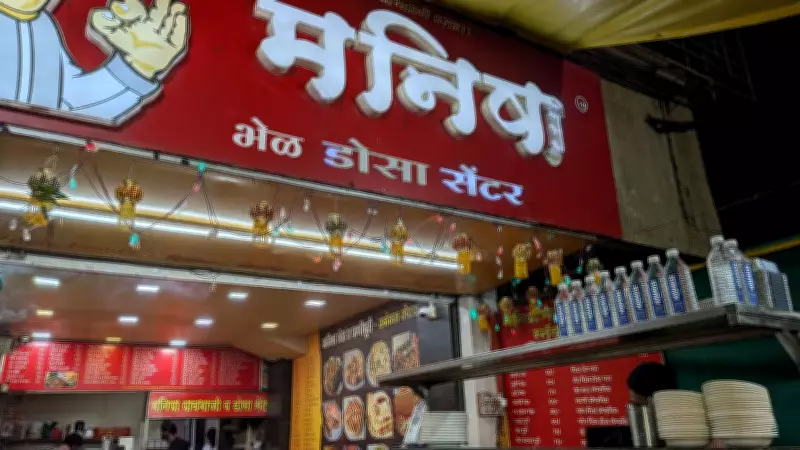
At Manisha Bhel and Panipuri in Karve Nagar, 'special' was never a calculated branding move. "What began as a single puri offered to customers after pani puri gradually evolved into a full plate due to persistent customer requests," explained owner Satyawan Jaknale. That solitary puri eventually transformed into Manisha's Special Suki Masala Puri, now a widely recognized dish across Pune. "No other masala puri will match our flavor. We employ a unique technique, and we pioneered this dish," he asserted. The pani puri here also boasts its own distinct identity. "My precise judgment of spices, particularly chili, is what distinguishes it. I continuously experiment, and customer favorites become permanent menu fixtures."
In Sadashiv Peth, Pandurang Bhel's Special Dahi Chivda draws direct inspiration from home kitchens. "It is our signature offering," stated owners Pankaj and Prashant Sant. Crafted using Pandharpuri puffed rice, fresh curd, and homemade spices, this dish stands apart from regular chivda. "We developed it with our mother's homemade chivda in mind," they shared. Today, patrons often request the special dahi chivda before ordering anything else.

Balanced and Calming Plates
Misal, a staple across Pune, assumes multiple interpretations when labeled 'special'. At Amit Misal near Hirabag Chowk, innovation is key. "The true essence of a samosa or misal is quite simple," remarked owner Amit Khilare. "I aimed to enhance it, so I incorporated moong curry, farsan, and misal rassa." The outcome was Samosa Misal, an affordable yet distinctive creation. "Customers appreciated that it was more economical than traditional misal while still offering a unique twist." His unlimited misal and upvas misal further expand this concept—accommodating choice and personal preference.
Elsewhere, special misal adopts a quieter, more measured approach. At Joshi Kitchen, restraint defines the dish. "We don't want the special misal to overwhelm you," said owner Tejas Paranjpe. "The goal is balance—ensuring the farsan and pav harmonize comfortably." The result is a hearty yet soothing plate, ideal for leisurely mornings where 'special' lies in moderation rather than intensity.
At Relax Pav Bhaji, 'special' carries deep emotional resonance. "Pav bhaji isn't just a dish for us—it's the core of our operations," emphasized owner Viraj Gosavi. Their Special Butter Pav Bhaji is richer, slow-cooked on the tawa, and prepared with a proprietary Relax masala. "Patrons don't merely come to eat; it feels like a comforting embrace," he described. Over time, customers sought something more indulgent, leading to the creation of the special pav bhaji. "Many visitors return weekly solely for this. It's their ideal meal."
Method is Paramount: Hand-Mixed and Slow-Brewed
At Shreemanti Misal and Snacks, 'special' revolves around simplicity and process. "Our mission was to serve authentic Maharashtrian homemade cuisine," clarified co-owner Sachin Gokhale. Dishes such as chincha-gul pohe, dadpe pohe, and ghavan originate from the Konkan region. "For dadpe pohe, we hand-mix soaked poha with salt, sugar, turmeric, roasted peanuts, coriander, and oil—no cooking, just thorough tossing," he detailed. "We don't employ a chef. We adhere to a standardized procedure, which is why the flavor has remained consistent for eight years."

Even everyday beverages embody this philosophy. At Joshi Kitchen, the 'Special Tea' is as intentional as the food. "We brew it slowly to allow the flavor to develop naturally," Paranjpe noted. "Some customers prefer less sugar, others extra ginger or elaichi—we customize it precisely to their request." Strong yet smooth, this tea functions both as a refreshing break and a complementary pairing, subtly personalized in its preparation.
The same emphasis on depth over excess extends to dishes beyond Maharashtrian fare. Special chole bhature also follows this principle. "It shouldn't feel overly heavy or greasy," Paranjpe advised. "The spices need to unfold gradually." Mildly spiced chickpeas paired with freshly made bhaturas keep the dish familiar and comforting—special not because it overwhelms, but because it remains authentic.
Even biryani adheres to this logic at PK Biryani House. "When we label something 'special,' it's a guarantee," affirmed owner Prakash Patil. Prepared using pure ghee, whole garam masalas, and perfectly cooked rice, the special chicken and mutton biryani deliver on aroma, tenderness, and consistency—qualities actively sought by customers.
The Essence of 'Special' in Pune
Across Pune, 'special' seldom signifies mere excess. More commonly, it represents trust cultivated over time, quietly shaping the city's everyday culinary vernacular. From hand-mixed poha to slow-brewed tea, the dedication to technique and consistency ensures these dishes remain a cut above the rest, cherished by locals and visitors alike.