Panta Bhaat's Fine Dining Evolution: From Bengali Homes to Curated Tables
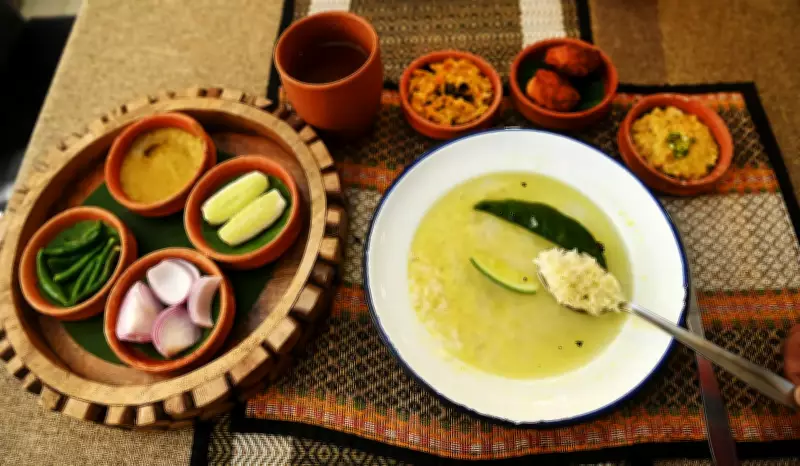
On a summer table in Kolkata, a bowl of panta bhaat arrives not in a simple steel plate from last night's kitchen, but meticulously plated with precision. This traditional fermented rice dish, once a humble staple in Bengali households for generations, is now being paired with artisanal bhortas, finished with specialty oils, and presented with the flair of fine dining. The same cooling fermented rice that sat quietly in home kitchens is finding prominent placement at curated dining experiences, chef-led pop-ups, and restaurant menus across the city.
Rooted Tradition, Not Rustic Revival
For Raina Talukder, head of brand at Amar Khamar, the framing of panta bhat as either rustic or premium misses the point entirely. "Panta bhat is a celebration of our traditional culinary wisdom, rather than rustic or curated," she emphasizes. At their restaurant, panta isn't treated as a seasonal special—it maintains a permanent position on the regular menu, shaped through close collaboration with farming households where the dish remains everyday fare.
The approach is deliberately ingredient-focused. "The content takes precedence over the presentation," Talukder explains. Heirloom rice varieties like Chine Kamini, Khejur Chhari Siddho, Rupshal Siddho, and aromatic atap rices including Karpurkanti and Kamini each bring distinct dimensions to the dish. Plating follows this philosophy—using kolapata leaves, earthen pots, and minimal intervention. The result isn't nostalgia packaged for effect, but genuine culinary continuity.

Diners ranging from young professionals and older Bengalis to international guests come specifically to eat and understand this traditional dish. "Rice speaks a universal language," Talukder observes, recalling a Japanese couple who immediately connected with the preparation. "A significant portion of our panta comes from the Sundarbans region, both in spirit and sourcing—the rice, crabs, and river fish. It's about bringing a genuine sense of place to the plate," adds Chef Shakyasingha Chakraborty.
From Kitchen Staple to Cultural Conversation Starter
Sharmila Basu Thakur, founder of the supper club and pop-up Food Farishta, began working with panta long before it became a culinary trend and has witnessed the transformation firsthand. "When I started panta pop-ups, no one else was doing it... then gradually it became popular," she recounts. Her tables serve panta with traditional accompaniments like lemon, onion, green chillies, and potatoes, alongside homemade additions such as pickle oil and sun-dried tomatoes.
What has changed isn't merely presentation, but broader perception—the dish now benefits from increased interest in fermented foods generally. However, adoption isn't automatic. "Many people aren't accustomed to it initially. When they come, they learn about it, they develop a liking for it, and then they begin incorporating it more regularly into their diets," Thakur explains. These pop-ups are effectively reintroducing a cultural habit to new generations.
Rice Takes Center Stage in Culinary Innovation
Across chef-led dining experiences, rice is no longer incidental—it has become central to the culinary narrative. At a recent panta-focused table, Arpita Saha, co-founder of Spiegel, highlighted lesser-known rice varieties like Jhingasal and Kabiraj Sal, once valued for their cooling properties but now rare in everyday kitchens. "People have largely forgotten these types of rice... but panta is truly everyone's food," she asserts.
"For my table, I included Jamalu pora as one of the seasonal sides. Diners particularly enjoy pairing panta bhaat with fresh seasonal produce. The sides and condiments matter just as much as the main dish itself," adds Chef Rohitashwa Turjo. Presentation continues to evolve with innovations like fish head-to-tail preparations, pumpkin seed fritters, and fermentation periods carefully controlled under 24 hours, notes Chef Shakyasingha Chakraborty.
For diners, the experience proves transformative. "Having panta in a fine-dining setting felt completely new and revelatory," shares Rani Sarkar, a regular participant in these culinary experiences.

The Transforming Panta Plate: Key Developments
- Rice-First Approach: Heirloom and indigenous rice varieties are driving both flavor profiles and culinary identity
- New Dining Formats: Transition from home kitchens to pop-ups, supper clubs, and permanent restaurant menus
- Expanded Pairings: Creative bhortas, specialty oils, no-waste fish preparations, and regional influences
- Flexible Consumption: No longer confined to breakfast—panta now appears at lunch and dinner tables
- New Audiences: Younger diners and first-timers alongside traditional consumers
- Shift in Value Perception: Diners demonstrate willingness to pay for quality sourcing, culinary storytelling, and ingredient excellence
"Panta serves as a powerful reminder that true culinary luxury lies not in complexity, but in the honest preservation of our ancestral plate. What was once overlooked is now being appreciated and enjoyed in an entirely new light," concludes Chef Amrita Bhattacharya.