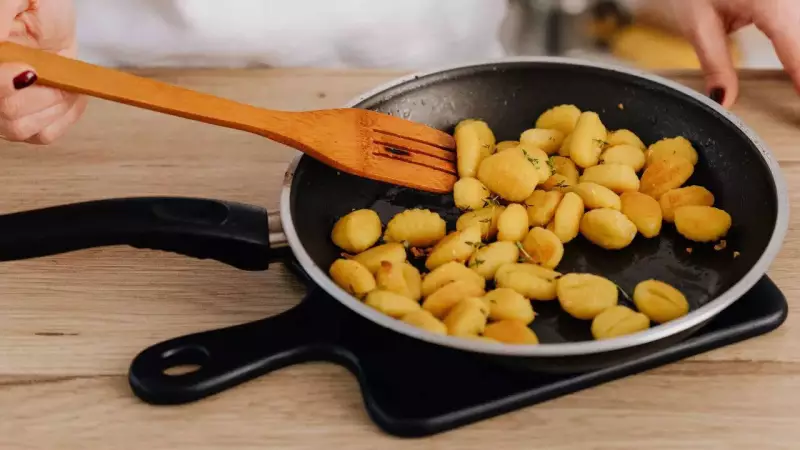
Non-stick utensils have become a staple in Indian kitchens, promising easy cooking with minimal oil. However, selecting the right pan and maintaining it properly is crucial to ensure it lasts for years without peeling or losing its effectiveness. This guide explores everything from classic PTFE coatings to modern ceramic innovations, tailored for Indian cooking styles like frying dosas or sautéing spices.
Understanding Different Non-Stick Coatings
The market offers several types of non-stick surfaces, each with pros and cons. PTFE-based coatings, such as Teflon, provide excellent food release, making them perfect for delicate items like eggs and rotis. A critical point to remember is that they can degrade if exposed to temperatures above 260°C, so they must be used on low to medium heat.
For those seeking an eco-friendly alternative, ceramic coatings are a great choice. They offer a slick surface without PFAS chemicals and can handle higher heat, ideal for stir-fries. However, they tend to wear out faster, especially on anodized aluminum bases. Hybrid options combine the benefits of both PTFE and ceramic, offering balanced durability and are well-suited for modern induction stoves found in homes across cities like Delhi.

Key Factors to Consider Before Buying
Choosing the right pan involves more than just the coating. Prioritize a thick base—2-3mm aluminum cores ensure even heating, which is vital for techniques like tadka tempering without creating hotspots. Always check for induction compatibility by performing a simple magnet test on the pan's base.
Health safety is paramount; look for PFOA-free labels. Ergonomic handles that stay cool during cooking and are securely riveted add to comfort and safety. For versatility in preparing family meals, consider sets that include skillets ranging from 8 to 12 inches along with matching lids.
Top Recommendations and Maintenance Secrets
Based on performance and value, several brands stand out. Anolon Advanced is praised for superior food release and even cooking, offering affordability with sturdy handles for daily use. For those who prefer ceramic, GreenPan Spectra provides durability and is oven-safe up to 850°F, perfect for baking naan. If you need a robust option that can withstand metal utensils, Le Creuset Toughened PRO is ideal for preparing hearty Indian curries without scratching.
To ensure your non-stick cookware lasts, follow these best practices. Always preheat on low with a bit of ghee or oil to activate the coating, and avoid using cooking sprays. Use only wooden, silicone, or other soft utensils to prevent scratches. Never sear meats at very high heat or shock a hot pan with cold water, as this can cause warping. For most Indian cooking, medium heat is perfectly sufficient and helps preserve the non-stick surface.
Cleaning and Long-Term Care
Proper cleaning extends your pan's life significantly. Always let the pan cool completely before washing it gently by hand with a soft sponge and mild soap. Avoid abrasive scrubbers and dishwashers unless the manufacturer explicitly states it's safe. Dry the pan thoroughly to prevent moisture damage, and store it with protective pads or hang it to avoid dents.
If food starts to stick, you can lightly re-season the pan with oil. With proper care, a good non-stick pan should serve you well for 3 to 5 years. Rotate your pans weekly to distribute wear evenly, and replace any pan if the coating begins to flake. An annual deep clean with a baking soda paste can help revive performance. For traditional recipes, using quality oils like cold-pressed mustard oil can enhance the non-stick effect.
Don't forget, you have a chance to win a ₹5000 Amazon Voucher by participating in India's Biggest Habit Index survey!