7 Expensive Kitchen Ingredients You Can Easily Make at Home
Have you ever stood in your kitchen, staring at a recipe, only to realize that the one essential ingredient carries a shockingly high price tag? That tiny jar with the fancy label, sitting in the specialty aisle, can feel like an unnecessary luxury. However, many of these so-called premium ingredients are surprisingly simple to create in your own kitchen. With a bit of time, some basic pantry staples, and a dash of patience, you can produce them at home for a fraction of the cost.
The benefits extend far beyond mere savings. Homemade versions often boast a fresher, more vibrant taste and allow you to personalize the flavor profile by controlling the salt, sugar, oil, and intensity—something store-bought alternatives rarely offer. Here are seven pricey ingredients that are far easier to make than most people realize.
1. Ghee: Clarified Butter Gold
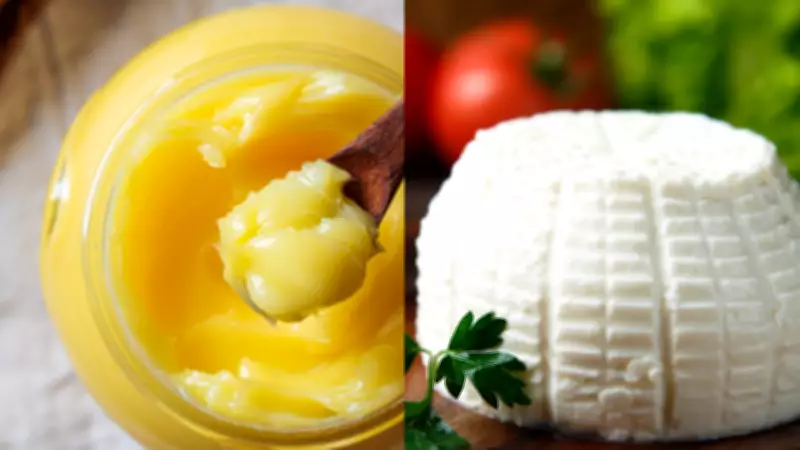
Ghee might sound exotic, but it is essentially butter with the water and milk solids removed. This simplicity is what makes it so incredibly versatile. To make it, simply melt unsalted butter in a heavy-bottomed pan over low heat and let it simmer gently. As it cooks, foam will rise, the liquid will turn a beautiful golden hue, and the milk solids will settle at the bottom. Once the bubbling subsides and the aroma becomes nutty and rich, strain the liquid through a fine sieve or muslin cloth into a clean jar. The result is a fragrant, shelf-stable fat that elevates dals, rotis, rice dishes, and even traditional sweets.

2. Ricotta Cheese: Fresh and Creamy
Ricotta cheese often appears in recipes as a luxurious ingredient, yet it can be crafted from just three simple components: milk, an acid like lemon juice or vinegar, and a pinch of salt. The process relies on heat and patience. Warm whole milk in a pot until it is nearly simmering, then stir in your chosen acid. The curds will separate from the whey almost immediately. Let the mixture rest for a few minutes before straining it through cheesecloth. What remains is a soft, milky, and delicate cheese. Homemade ricotta is exceptional in lasagna, stuffed pasta shells, as a toast topping, or in dessert fillings, offering a freshness that packaged versions frequently lack.
3. Coconut Milk: Pure and Aromatic
Cans and cartons of coconut milk can be expensive, especially when a recipe calls for multiple cups. Fortunately, making your own is straightforward if you have access to unsweetened grated coconut. Blend the coconut with warm water, then strain the mixture through a muslin cloth or fine sieve. The first extraction yields a rich, creamy milk perfect for curries and desserts. A second round with more water produces a lighter version ideal for soups and smoothies. Homemade coconut milk typically has a cleaner, more aromatic flavor than many commercial alternatives, which often contain stabilizers and preservatives.
4. Pesto: Vibrant and Versatile
A small jar of pesto can carry a surprisingly high price tag, despite its short and forgiving ingredient list. All you truly need are fresh basil leaves, garlic, nuts like pine nuts or walnuts, grated Parmesan cheese, olive oil, and salt. Traditionally made by crushing ingredients into a paste, a blender works perfectly at home. Pulse the components until smooth but still slightly textured. Homemade pesto tastes bright and alive, offering far more flexibility than its store-bought counterpart. Toss it with pasta, spread it on sandwiches, or swirl it into soups for an instant flavor boost.
5. Vanilla Extract: Rich and Floral
Vanilla extract is one of the most expensive little bottles in the baking aisle, primarily due to the high cost of real vanilla beans. However, if you bake regularly, making your own is a worthwhile investment. Split a few vanilla beans and place them in a jar filled with vodka or another neutral spirit. Seal the jar and let it sit in a cool, dark place for several weeks, shaking it occasionally. Over time, the liquid will darken and develop a rich, floral aroma. The longer it rests, the deeper the flavor becomes. Homemade vanilla extract is excellent in cakes, custards, cookies, and even hot beverages.

6. Almond Flour: Nutty and Economical
Almond flour often commands a premium price, particularly in gluten-free baking. Yet, it is remarkably easy to produce from blanched almonds. Simply pulse the almonds in a food processor until they form a fine meal. The key is to stop processing before they turn into almond butter. Use short bursts and a light touch for the best results. Homemade almond flour works wonderfully in cookies, cakes, pie crusts, and as a coating for proteins. While it may not be as ultrafine as commercial versions, it delivers the same nutty richness at a fraction of the cost.
7. Bread Crumbs: Simple and Sustainable
Bread crumbs are a humble kitchen staple that often gets treated as a convenience product. In reality, they are one of the easiest items to make from scratch. Save stale bread, dry it out in a low oven, and then pulse it into crumbs in a food processor. You can create coarse crumbs for stuffings and toppings or fine crumbs for coating cutlets and binding meatballs. Season them with herbs, garlic powder, or black pepper to taste. Homemade bread crumbs are a smart, sustainable way to reduce food waste while keeping your pantry well-stocked with a versatile ingredient.